
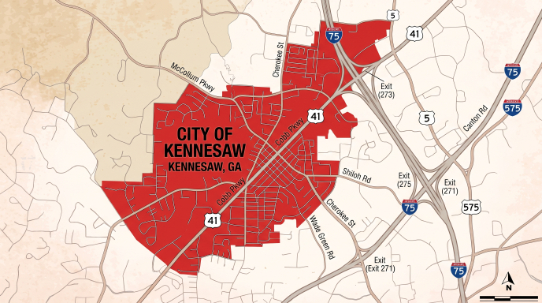
Warehouses in Kennesaw, GA face constant temperature swings, rising utility costs, and inefficient climate control that can disrupt daily operations. Georgia Insulation provides commercial-grade insulation solutions designed to stabilize warehouse temperatures, reduce energy waste, and protect stored inventory from environmental damage. Business owners managing large storage or distribution spaces often underestimate how much an uninsulated or poorly insulated building affects both operating costs and product integrity.
Warehouses present unique insulation challenges compared to standard commercial buildings due to their size, ceiling height, and ventilation needs. We assess each space individually to determine where insulation will have the greatest impact on energy efficiency and temperature control. A properly insulated warehouse keeps indoor conditions consistent regardless of outdoor weather, which supports equipment performance and employee comfort.
Addressing these issues early prevents larger expenses down the line, including higher utility bills, equipment strain, and potential inventory loss. We work directly with business owners throughout Kennesaw and the surrounding areas to deliver insulation solutions suited to each facility’s layout and operational demands.
Spray foam insulation performs differently depending on where we install it and what the space is used for. Below, we break down how it applies to warehouse structures, attached commercial spaces, and even residential areas on mixed-use properties.
Warehouse roof decks lose and gain heat faster than most other building surfaces. We apply closed-cell spray foam directly to the underside of metal roof decks to create an air barrier that reduces temperature swings inside the facility.
This matters for climate-controlled storage and for protecting equipment sensitive to humidity.
Exterior walls benefit from the same treatment. Spray foam fills gaps around steel framing and panel seams that fiberglass batts typically miss.
We also treat high ceilings and open rafter areas, where heat loss is often greatest. Closed-cell foam adds rigidity to these surfaces, which can help with structural performance in older buildings.
Get A Free QuoteLoading docks present a specific challenge: large door openings that let conditioned air escape every time a truck pulls in. We insulate the surrounding frame and overhead areas to limit how much air exchange occurs during loading operations.
Attached offices within warehouse facilities need a different approach. These spaces require consistent temperatures for employee comfort, so we focus on walls shared with the warehouse floor and any ceiling cavities above drop ceilings.
For standalone commercial buildings, our process addresses:
Each area gets assessed separately based on its function.
Get A Free QuoteSome of our commercial clients also own properties with residential components, such as on-site manager housing or mixed-use buildings. Attic insulation in these spaces works similarly to warehouse roof applications, but with different foam density requirements based on local building codes.
Crawl spaces under residential units often deal with moisture issues that spray foam addresses more effectively than traditional insulation. We seal rim joists and foundation walls to limit moisture intrusion and reduce the risk of mold growth.
Basement walls, if present, can also be insulated with spray foam to improve overall building efficiency. We evaluate these spaces the same way we assess commercial areas: by checking existing insulation, identifying air leaks, and recommending the right foam type for the application.
Get A Free QuoteProper insulation affects three core areas of warehouse performance: energy use, employee comfort, and structural protection. Each of these factors has a direct impact on your bottom line.
Insulation slows the rate at which heat moves through your walls and roof. In summer, this keeps outdoor heat from entering the building. In winter, it keeps conditioned air from escaping.
This matters because HVAC systems in uninsulated warehouses work harder to maintain set temperatures. We often see units running longer cycles and consuming more power than necessary.
With proper insulation installed, your HVAC system doesn’t have to compensate for constant heat gain or loss. This reduces strain on the equipment and can extend its operational lifespan.
Key factors we evaluate:
Temperature swings inside a warehouse create problems beyond comfort. Workers in extreme heat or cold experience reduced focus and slower output over a shift.
We install insulation to minimize these fluctuations, keeping indoor conditions more stable regardless of outdoor weather. This applies to office areas within the warehouse as well as the main storage floor.
Equipment and inventory also benefit from steadier conditions. Certain materials, electronics, and products are sensitive to temperature changes and perform or store better in a controlled environment.
Insulation works alongside air sealing to block unwanted air movement through gaps, seams, and penetrations in the building envelope. Without this barrier, outside air enters freely and undermines temperature control.
Moisture is a related concern. When warm, humid air meets cooler surfaces inside an uninsulated structure, condensation forms. Over time, this leads to corrosion on metal components, mold growth, and damage to stored goods.
We address both air leaks and moisture risk during installation. This two-part approach protects the building structure and supports better indoor air quality for employees working inside.
A warehouse without adequate insulation creates measurable problems that extend beyond comfort, affecting energy budgets, inventory condition, and staff productivity. We see these issues surface in buildings of all ages and sizes across Kennesaw.
When insulation fails to hold a consistent R-value, HVAC equipment compensates by running longer and more often. This drives up utility bills month after month, regardless of season.
We frequently find that poorly insulated warehouses develop hot spots near loading docks and cold zones along exterior walls. These temperature swings make it difficult to maintain a stable environment for stored goods or working conditions for staff.
Common signs include:
Addressing these gaps is one of the most direct ways to lower operating expenses.
Insufficient insulation allows warm, moist air to meet cooler surfaces inside the building, and that temperature gap produces condensation. Over time, this moisture can collect on walls, ceilings, and metal equipment.
For warehouses storing paper products, electronics, or packaged goods, condensation poses a direct threat to inventory quality. We’ve seen cases where moisture buildup led to mold growth, rust on metal shelving, and water damage to stored materials.
Beyond inventory, condensation can also affect structural components over time, including roof decking and steel framing. Left unaddressed, this moisture exposure shortens the lifespan of both the building and the equipment inside it.
Employees working in warehouses with inadequate insulation often deal with spaces that feel too hot in summer and too cold in winter. These swings make daily tasks harder to manage and can affect concentration and output.
Poor temperature control also increases the likelihood of heat-related fatigue in summer months and cold-related discomfort during winter operations. We find that this directly impacts how long staff can work efficiently in certain areas of a facility.
Over time, uncomfortable working conditions contribute to:
Correcting insulation gaps helps stabilize the indoor environment, which supports both comfort and consistent operational output.
Choosing an insulation contractor affects energy performance, project timelines, and how well a solution matches your warehouse’s specific use. We bring local knowledge, use-specific recommendations, and a planning process built around minimal disruption to operations.
Based in Kennesaw, GA, we serve warehouse and commercial property owners throughout the surrounding region. Our local experience helps us account for climate conditions, building codes, and property-specific needs while providing timely consultations and project scheduling.
We assess each warehouse’s purpose, storage needs, equipment, occupancy, and building construction before recommending insulation. By evaluating these factors, we select the most suitable spray foam, batt, or blown insulation solution for your facility.
We schedule warehouse insulation around your operations to minimize disruptions to shipping, receiving, and inventory management. Before work begins, we explain the project scope, timeline, and access restrictions, then provide a written estimate detailing material costs and labor schedules.
Our warehouse insulation process moves through four stages, from initial inspection to post-installation support. Each step is designed to match the insulation assembly to your building’s structure, local code requirements, and operational needs.
We start with a walkthrough of your warehouse to document current insulation conditions, moisture issues, and air leakage points. Our team checks wall assemblies, roof decking, and floor-level conditions to identify where heat loss or gain is occurring.
We also discuss your specific goals with you. Are you trying to protect temperature-sensitive inventory, reduce HVAC costs, or improve conditions for employees working in the space?
This assessment gives us a clear picture of the building’s thermal performance before we recommend any materials. We note square footage, ceiling height, and existing insulation (if any) to calculate what’s needed for full coverage.
Based on the assessment, we select between open-cell and closed-cell spray foam, or recommend a combination depending on the application.
Area | Common Foam Type | Reason |
Roof deck / ceiling | Closed-cell | Higher R-value per inch, moisture resistance |
Exterior walls | Open or closed-cell | Depends on wall cavity depth and vapor needs |
Loading dock areas | Closed-cell | Added durability near high-traffic zones |
Floor perimeter | Closed-cell | Resists ground moisture |
We calculate coverage thickness to meet or exceed Georgia building code requirements for commercial structures. We also factor in fire-rated coatings where required, since spray foam in commercial buildings often needs an ignition barrier or thermal barrier depending on occupancy type.
Before installation begins, we coordinate with you on scheduling to minimize disruption to warehouse operations. This includes clearing stored inventory from work zones and setting up temporary barriers around the application area.
Spray foam installation requires proper ventilation during curing. We set up ventilation equipment and establish a safe re-entry timeline based on the foam type and volume applied.
We communicate this timeline clearly so you can plan staff access and inventory movement accordingly. Our crew follows safety protocols throughout the process, including respiratory protection and controlled application rates, to keep the work area safe for both installers and your staff once curing is complete.
Once installation is finished, we walk the site with you to review coverage and address any questions about the finished assembly. We point out areas where the foam has sealed gaps or added thermal resistance compared to the original conditions.
We also provide basic guidance on ongoing care, such as what to look for if settling, water intrusion, or physical damage ever occurs near the insulated areas. Spray foam is a long-term material, but periodic visual checks help confirm it continues performing as expected.
If you have questions after installation, we remain available to answer them or schedule a follow-up visit if needed.
We provide professional insulation services in Kennesaw, GA, and surrounding communities. Our team delivers tailored solutions for commercial and industrial properties, with flexible scheduling and clear project planning to minimize disruptions to your operations.
Keep your warehouse comfortable and energy-efficient with professional insulation solutions. Contact our team today to discuss your project and request a free quote.
Below we answer the questions we hear most often from Kennesaw warehouse owners about materials, costs, and installation logistics.
Spray foam insulation works well for most Kennesaw warehouses due to our region’s humidity and temperature swings. Closed-cell spray foam offers a higher R-value per inch and creates a moisture barrier, which matters in Georgia’s climate.
For metal buildings, we often recommend spray foam applied directly to roof decking and wall panels. This approach seals gaps that batt or blanket insulation tends to miss.
Costs vary based on square footage, ceiling height, and the areas you want insulated. A smaller warehouse under 20,000 square feet typically costs less than a facility spanning 100,000 square feet or more.
We provide a free, detailed quote after assessing your building’s layout and insulation needs. Factors like existing insulation removal or roof access can also affect the final price.
Yes, spray foam adheres well to metal roof decking, wall panels, and structural steel. We apply it to the underside of roofs to reduce heat gain and to wall cavities to improve temperature stability.
This method works for both pre-engineered metal buildings and traditional warehouse construction. We adjust our application technique based on your building’s specific materials.
Spray foam creates an air seal that blocks moisture from entering through roof seams and wall joints. This reduces condensation, which can lead to rust on metal components or damage to stored inventory.
On the energy side, proper insulation reduces the strain on HVAC systems by maintaining more consistent indoor temperatures. This translates to lower monthly utility bills over time.
We schedule installation in phases when needed, working around your operating hours or specific zones within the building. Many of our projects proceed while a warehouse continues normal activity in unaffected areas.
We coordinate timing with your team ahead of the project start date. This planning keeps disruption to a minimum for your staff and daily operations.
We bring hands-on experience with commercial buildings throughout Kennesaw and the surrounding Georgia region. Our team understands local building codes and the specific climate challenges warehouses face here.
We use quality materials and proven application methods for every project. Our goal is a long-lasting insulation system that performs as expected year after year.
When attic insulation is thin or unevenly distributed, conditioned air escapes through the ceiling. We find that this forces HVAC systems to run longer cycles just to maintain a stable indoor temperature.
The result is noticeable hot and cold spots throughout a home or commercial building. Rooms directly below a poorly insulated attic often feel warmer in summer and colder in winter than the rest of the structure.
This imbalance puts extra strain on heating and cooling equipment. Over time, that added workload can shorten the lifespan of your HVAC unit and increase monthly energy costs.