

Spray Foam Insulation Rome, GA
Expert Solutions by Georgia Insulation
Rome, GA homes and businesses lose energy and comfort through gaps that standard insulation cannot fully seal. Spray foam insulation fills cracks, seals air leaks, and creates a barrier that keeps conditioned air where it belongs. Georgia Insulation provides this service to property owners across Rome and the surrounding communities.
We understand the specific challenges that come with Georgia’s climate, from summer humidity to winter chill. Homeowners and business owners both face rising energy costs when insulation fails to do its job. Our spray foam applications address these issues directly, reducing energy waste and improving indoor comfort year-round.
This guide covers how spray foam insulation works, where it applies in residential and commercial structures, and what sets our approach apart. We also outline the risks of skipping this upgrade and answer common questions property owners ask before starting a project.
Where Spray Foam Delivers the Most Value
Certain areas of a home or building benefit more from spray foam than others, largely due to air leakage patterns and moisture exposure. Rome, GA properties see the biggest returns in attics, walls, crawl spaces, and commercial structures with metal roofing or siding.
Attics and Rooflines
Attics account for a significant share of energy loss in most homes. Heat rises, and without proper sealing, it escapes through the roofline in winter and builds up excessively in summer.
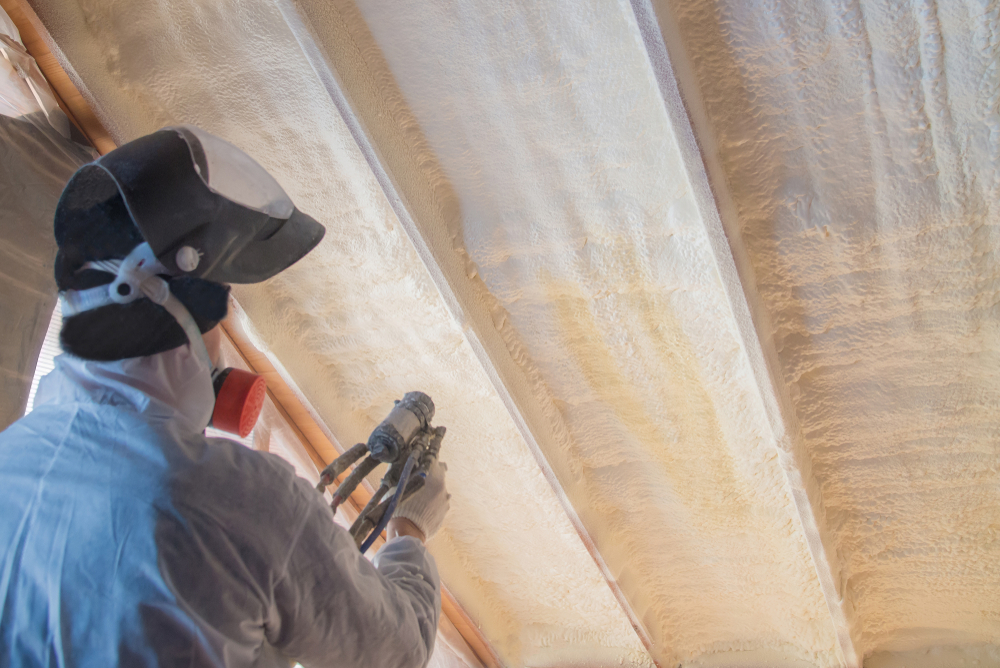
We apply spray foam directly to the underside of the roof deck or along attic floors, depending on the home's design. This creates a continuous air barrier that stops conditioned air from escaping.
Benefits homeowners notice in this area include:
- Reduced attic temperature swings
- Lower strain on HVAC systems
- Fewer opportunities for pests to enter through gaps
- Protection against ice dam formation in colder months
Walls, Crawl Spaces, and Basements
Exterior walls are a common source of drafts, especially in older homes with minimal or settled insulation. We fill wall cavities with spray foam to eliminate gaps that fiberglass batts often leave behind.
Crawl spaces and basements present a different challenge: moisture. These areas sit close to the ground and are prone to humidity, standing water, and vapor intrusion.
Closed-cell spray foam works well here because it resists water absorption and adds structural rigidity to floor joists and rim joists. This combination addresses both temperature control and moisture-related risks like wood rot and mold growth.
Commercial Facilities and Metal Buildings
Commercial buildings, particularly metal structures, face unique insulation demands. Metal panels conduct heat quickly and are prone to condensation when temperatures fluctuate.
We insulate warehouses, agricultural buildings, and metal-frame commercial spaces with spray foam to control interior temperatures and reduce condensation buildup on interior surfaces.
This matters for:
| Building Type | Primary Concern | How Spray Foam Helps |
|---|---|---|
| Metal warehouses | Condensation on panels | Creates vapor barrier |
| Retail spaces | Energy costs | Reduces air infiltration |
| Agricultural buildings | Temperature control | Stabilizes interior climate |
For business owners, this translates to fewer maintenance issues tied to moisture damage and more predictable energy expenses throughout the year.
Performance Benefits for Homes and Businesses
Spray foam insulation delivers measurable improvements in three key areas: energy performance, indoor comfort, and structural durability. Each factor works together to lower operating costs and protect the building over time.
Air Sealing and Energy Efficiency
Spray foam expands on application, filling gaps, cracks, and seams that standard insulation types typically miss. This creates a continuous air barrier across walls, attics, and rooflines.
We find that this sealing effect reduces air leakage significantly compared to fiberglass batts. Less conditioned air escapes, which means HVAC systems don’t have to work as hard to maintain consistent temperatures.
For homeowners, this often translates into lower monthly utility bills. For business owners managing larger square footage, the savings can be substantial over a full year of operation.
Moisture Control and Comfort
Closed-cell spray foam acts as a moisture barrier in addition to an insulator. It limits water vapor intrusion into wall cavities and attic spaces, which helps prevent conditions that lead to mold growth.
We also see improved comfort levels in insulated spaces. Rooms maintain steadier temperatures because the foam eliminates drafts and cold spots near windows, doors, and exterior walls.
This is particularly useful in Georgia’s humid climate, where moisture management directly affects indoor air quality and material longevity.
Long-Term Building Protection
Spray foam insulation doesn’t sag, settle, or lose its shape over time the way some traditional materials do. Once installed correctly, it maintains its insulating properties for the life of the building in most cases.
We consider this a key advantage for property owners planning long-term investments. The reduced moisture exposure and stable insulation performance help protect wood framing, roof decking, and structural components from premature deterioration.
Factor | Spray Foam Impact |
Air leakage | Significantly reduced |
Moisture intrusion | Limited with closed-cell foam |
Material lifespan | Stable, minimal degradation over time |
Structural protection | Reduced risk of rot and mold-related damage |
The Cost of Leaving Gaps Unsealed
Unsealed gaps in walls, attics, and crawl spaces don’t just sit there quietly. They cost homeowners and business owners money every month and create conditions that lead to bigger repairs down the road.
Higher Utility Bills
Air leaks force heating and cooling systems to work harder than they should. In Rome’s hot, humid summers and cold winter snaps, that means your HVAC system runs longer cycles to maintain a set temperature.
We regularly see properties with 15-25% higher energy usage due to gaps around rim joists, attic penetrations, and wall cavities. Over a year, that adds up to hundreds of dollars in wasted energy.
Closed-cell and open-cell spray foam both create an air barrier that batt insulation and loose-fill products can’t match. Sealing these gaps stops conditioned air from escaping and keeps outdoor air from working its way in.
Drafts, Humidity, and Uneven Temperatures
Gaps allow outside air to move freely through a structure, and that movement creates noticeable problems. Rooms near exterior walls or above unconditioned spaces often feel colder in winter and warmer in summer.
We also find that humidity levels swing more in buildings with unsealed gaps. Moist outdoor air enters through these openings, raising indoor humidity and making spaces feel sticky or uncomfortable.
This unevenness isn’t just about comfort. It signals that the building envelope isn’t performing as it should:
- Cold spots near windows, doors, or outlets
- Rooms that never reach the set thermostat temperature
- Noticeable drafts near baseboards or ceiling fixtures
Potential Moisture and Pest Issues
Gaps large enough to let air through are often large enough for moisture and pests to enter as well. Water vapor that gets trapped in wall cavities or attics can lead to condensation, and condensation over time supports mold growth.
We’ve inspected properties in the Rome area where small gaps around plumbing penetrations or attic vents became entry points for insects and rodents. Once pests get in, they can damage wiring, insulation, and structural wood.
Spray foam fills these openings completely, unlike materials that can shift or leave voids. This reduces the pathways available for both moisture intrusion and pest entry, protecting the building from problems that are far more expensive to fix than the insulation itself.
Why Choose Georgia Insulation
We combine local knowledge with technical training to deliver spray foam insulation that meets the specific demands of homes and businesses in Rome, GA. Our approach centers on proper installation practices and property-specific solutions rather than generic applications.
Local Expertise in Rome, GA
We understand the climate patterns and building styles common to Rome and the surrounding North Georgia region, where homes often face humidity, seasonal temperature swings, and older construction that wasn't built with modern energy codes in mind. We've worked on properties throughout the region, from historic homes near downtown Rome to newer builds in surrounding communities, helping us quickly identify problem areas such as moisture-prone crawl spaces and attics that lose conditioned air. We also stay current on Georgia's building codes and energy efficiency standards, so our recommendations are based on local requirements and conditions rather than general industry averages from other climate zones.
Solutions for Residential and Commercial Properties
We work with both homeowners and business owners, recognizing that each project has different requirements. Our residential services include attics and rooflines, crawl spaces and basements, exterior walls during renovations, and new construction, while our commercial services include warehouses and industrial buildings, retail spaces, office buildings, and metal building insulation. Commercial buildings often have larger square footage and unique structural components, such as metal panels or exposed ductwork, so we adjust our application techniques, equipment, and crew size based on the project to ensure both small residential spaces and large commercial buildings receive the proper attention and materials.
Professional Installation Standards
We follow manufacturer specifications for spray foam application, including proper mixing ratios, temperature controls, and curing times, because these factors affect how well the foam performs after installation. Our technicians are trained to select the right foam type, whether open-cell or closed-cell, for each application, while using protective equipment and containment practices to keep the work area safe for occupants and workers. Before completing each project, we inspect the application for even coverage and proper thickness to help ensure the insulation performs as intended for air sealing and thermal performance.
Our Assessment and Installation Process
Every project follows a structured sequence, from initial evaluation to final walkthrough. This ensures accurate material calculations, proper application, and a finished result that meets performance standards.
01 Property Evaluation and Recommendations
We start with an on-site inspection of your attic, walls, crawl space, or commercial structure. Our team identifies air leaks, moisture issues, and areas of poor thermal performance.
We measure square footage and note accessibility challenges before recommending a solution. This includes:
- Open-cell or closed-cell foam selection based on your building’s needs
- R-value targets specific to your climate zone and structure type
- Identification of existing insulation that needs removal
- A written estimate outlining scope, materials, and cost
We explain our findings in plain terms. You’ll know exactly what we recommend and why before any work begins.
02 Preparation and Application
Before spraying, we protect surfaces, seal off work areas, and set up ventilation equipment. Our crew wears proper safety gear, since spray foam requires controlled application conditions.
We then apply the foam using calibrated equipment to achieve consistent thickness and coverage. Temperature and humidity are monitored throughout, as these factors affect how the foam expands and cures.
Application typically happens in layers rather than a single thick pass. This approach reduces the risk of excessive heat buildup during curing and results in a more even seal across joists, studs, and wall cavities.
03 Final Inspection and Cleanup
Once the foam has cured, we inspect the work for gaps, uneven coverage, or areas needing touch-ups. We check that the application matches the agreed-upon scope and R-value targets.
Cleanup includes removing plastic sheeting, tape, and any debris from the work area. We also vacuum or sweep surfaces disturbed during the project.
Before leaving, we walk through the completed areas with you. This is your opportunity to ask questions or point out any concerns before we close out the job.
Service Areas and Requesting an Estimate
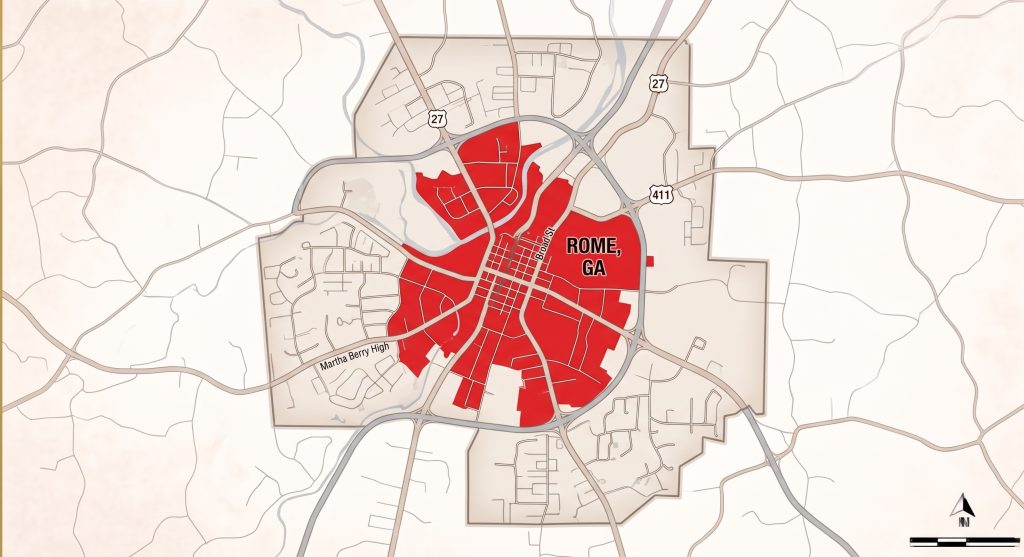
Georgia Insulation serves Rome and the surrounding communities in northwest Georgia. Below, we outline the areas we cover and explain how to schedule a consultation.
Testimonials
Schedule Your Spray Foam Consultation
Requesting an estimate starts with a phone call or a form submission through our website. We ask a few questions about your property to prepare for the visit.
During the consultation, we inspect the areas you want insulated. This includes attics, crawl spaces, walls, or commercial structures, depending on your project.
Frequently Asked Questions
Homeowners and business owners in Rome, GA often ask us about lifespan, safety, cost, and performance before moving forward with spray foam insulation. Below, we answer the questions we hear most.
How long does spray foam insulation last?
Spray foam insulation typically lasts 20 to 30 years or more when installed correctly. It doesn’t sag, settle, or compress over time like some traditional insulation materials.
Once cured, spray foam maintains its shape and R-value for the life of the structure. We rarely see the need for replacement unless there’s structural damage to the building itself.
Is spray foam insulation safe for homes and businesses?
Yes, spray foam is safe once fully cured. During installation and curing, we require the space to be vacated for a set period, usually 24 hours, to allow off-gassing to complete.
After curing, spray foam is inert and doesn’t release harmful chemicals into the air. We follow manufacturer guidelines and safety protocols on every job to protect our clients and our crew.
What areas of a building can spray foam insulate?
We install spray foam in attics, crawl spaces, basements, exterior walls, and rim joists. For commercial buildings, we also apply it in metal buildings, warehouses, and roof decks.
Spray foam works well in irregular spaces because it expands to fill gaps around pipes, wiring, and framing. This makes it useful in areas where traditional insulation can’t create a tight seal.
How much does spray foam insulation cost?
Cost depends on the square footage, the type of foam used, and the complexity of the space being insulated. Closed-cell foam costs more per square foot than open-cell foam due to its density and moisture resistance.
We provide a detailed quote after assessing the property in person. This allows us to give an accurate estimate based on your specific building.
What is the difference between open-cell and closed-cell foam?
Open-cell foam is softer, less dense, and more affordable. It’s a good fit for interior walls and areas where moisture isn’t a major concern.
Closed-cell foam is denser, more rigid, and resistant to water. We recommend it for areas like crawl spaces, basements, and exterior applications where moisture control matters most.
Does spray foam insulation help lower energy bills?
Yes, spray foam reduces air leakage, which lowers the workload on heating and cooling systems. Homeowners and business owners often notice a reduction in monthly energy costs after installation.
The exact savings depend on the building’s size, current insulation levels, and local climate conditions. We can review your property and give you a realistic expectation based on similar projects we’ve completed in the Rome, GA area.