Georgia summers push attics past 150 degrees, and winter mornings can still bring a chill into poorly sealed homes. Spray foam insulation seals gaps and cracks that fiberglass and cellulose leave open, stopping air leaks at the source rather than just slowing them down. For homeowners and business owners in Alpharetta and the surrounding area, that difference shows up directly on monthly utility bills.
We work with properties that struggle with humidity, temperature swings, and rising energy costs tied to an outdated or incomplete insulation system. Older homes with minimal attic insulation, crawl spaces exposed to moisture, and commercial buildings with drafty walls all face similar issues. Our approach targets these specific problem areas rather than applying a one-size-fits-all solution.
This page covers how spray foam insulation works across different parts of a home or commercial building, the risks tied to skipping this upgrade, and what our installation process looks like from start to finish. We install spray foam for attics, crawl spaces, walls, and commercial buildings, addressing the climate challenges specific to Georgia properties. Whether the goal is lower energy bills, better humidity control, or a more comfortable indoor space, the information below outlines what to expect.
Some areas of a home or building lose more energy than others, and spray foam performs best when it targets those specific zones. We focus our applications where air leakage and temperature transfer cause the most damage to comfort and efficiency.
Attics are often the single largest source of heat loss in a home. Warm air rises and escapes through gaps in the roofline, forcing your HVAC system to work harder.
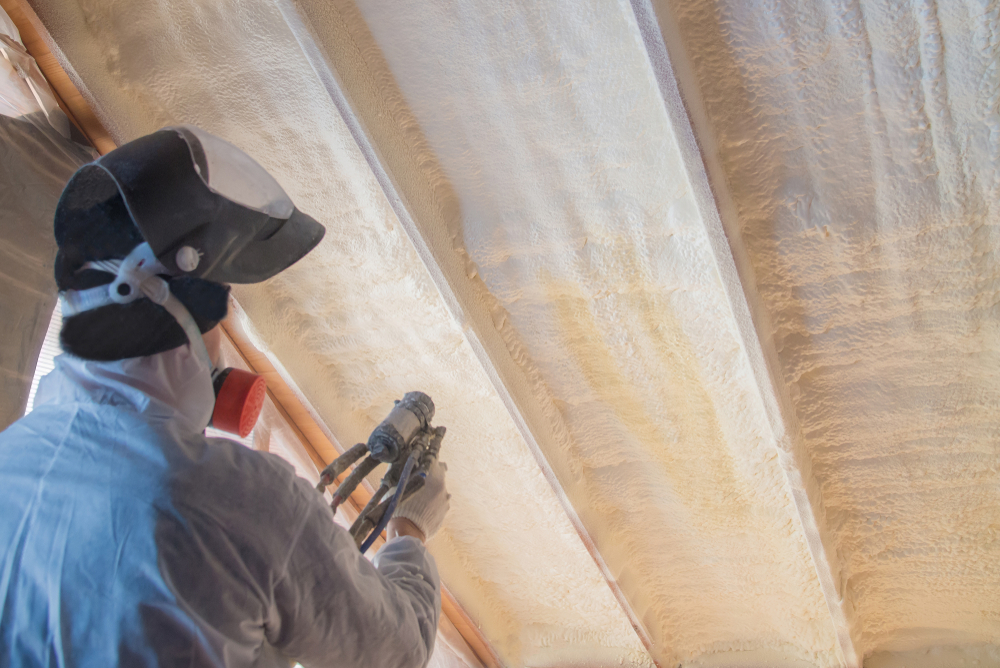
We apply spray foam directly to the underside of the roof deck or attic floor, depending on your home's design. This seals gaps around vents, chimneys, and framing that traditional insulation cannot reach.
Crawl spaces present a different challenge: moisture. Foam insulation creates a barrier that blocks humid air from entering, which reduces the risk of wood rot and mold growth underneath your home.
GET A FREE QUOTEExterior walls lose conditioned air through small gaps around studs, electrical outlets, and window frames. We use spray foam to fill these cavities completely, creating a continuous air barrier that fiberglass batts often miss.
Rim joists, located where your foundation meets the wall framing, are a common weak point. These narrow spaces are difficult to insulate with traditional materials and frequently allow drafts into basements and lower floors.
Spray foam expands into irregular gaps along the rim joist, sealing it in one application. This addresses both air leakage and moisture intrusion at a structural point that many homeowners overlook.
GET A FREE QUOTECommercial buildings face similar issues but on a larger scale, particularly with flat or low-slope roofs. We apply spray foam roofing systems that seal seams and penetrations, reducing water infiltration and thermal loss across large surface areas.
Exterior walls in commercial structures benefit from the same air-sealing properties we use in residential settings, but often require higher-density foam for durability.
Mechanical rooms, where pipes and ductwork pass through walls or ceilings, are another priority area. We seal these penetrations to prevent conditioned air from escaping around equipment, which helps maintain consistent temperatures throughout the building.
GET A FREE QUOTESpray foam insulation addresses three core performance areas: air control, moisture management, and structural longevity. Each factor affects energy costs, indoor comfort, and the condition of the building over time.
Air leaks are one of the biggest contributors to energy loss in Georgia properties. Gaps around outlets, framing, and rooflines let conditioned air escape and outside air enter, forcing HVAC systems to work harder.
We use spray foam to seal these gaps in a single application. Unlike batt insulation, spray foam expands to fill irregular spaces and adheres directly to surfaces, closing off pathways that traditional materials often miss.
This sealed envelope reduces the strain on heating and cooling equipment. Homeowners and business owners typically see lower monthly utility costs and more consistent indoor temperatures across every room.
Georgia’s humidity puts constant pressure on building materials. Without proper moisture control, excess humidity can lead to condensation, mold growth, and deteriorating indoor air quality.
Closed-cell spray foam acts as a moisture barrier, limiting water vapor from passing through walls and attics. This is particularly important in crawl spaces and roof assemblies, where trapped moisture causes the most damage.
Controlling humidity also improves day-to-day comfort. Rooms feel less muggy in summer, drafts are reduced in winter, and temperature swings between floors are minimized. This is relevant for both residential living spaces and commercial areas that depend on stable conditions for occupants or equipment.
Spray foam does not sag, settle, or lose its shape the way fiberglass batts can over the years. This means the insulation performs at the same level for decades after installation, rather than needing periodic adjustment.
By sealing air and moisture pathways, spray foam also helps prevent wood rot, rust on metal components, and pest intrusion linked to gaps and cavities. These issues are costly to repair once they take hold in framing or roofing systems.
For commercial properties, this durability translates into fewer disruptions to operations. For homeowners, it means fewer repairs tied to insulation failure or moisture-related damage over the life of the building.
Gaps in insulation don’t just let air pass through walls and ceilings. They create measurable problems that show up in monthly bills, indoor comfort, and the physical condition of your home or building.
Uninsulated gaps let conditioned air escape and outdoor air seep in. This forces your HVAC system to work harder and run longer to maintain the temperature you’ve set.
We commonly see this in older homes with attic insulation that has settled or shifted, leaving thin spots or exposed sections. Even small gaps around wiring, plumbing penetrations, or attic hatches add up.
Over a year, that extra strain translates directly into higher utility costs. In some cases, homeowners notice a 20-30% increase in energy usage compared to a properly sealed and insulated space. Commercial buildings with large surface areas can see even greater losses, since gaps in one section often affect entire zones of the HVAC system.
Insulation gaps create inconsistent conditions from room to room. One area might feel comfortable while another, often near exterior walls or above unheated spaces, feels noticeably colder or warmer.
We also see humidity fluctuate more in spaces with poor insulation coverage. Without a consistent barrier, moisture in the air moves more freely between conditioned and unconditioned spaces.
This shows up as:
These issues aren’t just about comfort. They indicate that the building envelope isn’t performing as it should, which puts added pressure on mechanical systems.
Gaps in insulation often align with gaps in the building envelope itself. These openings can allow moisture to enter walls, attics, or crawl spaces, particularly in areas with fluctuating outdoor humidity.
Over time, trapped moisture contributes to mold growth, wood rot, and deterioration of building materials. We frequently find this in older homes where insulation has degraded or was never properly installed to begin with.
The same gaps that let air and moisture through can also serve as entry points for insects and rodents. Small openings around pipes, wiring, or foundation areas are common access points.
Spray foam insulation seals these gaps directly, reducing both moisture intrusion and pest access in a single application.
We bring decades of hands-on experience to every project, along with a clear understanding of local building conditions and material performance. Our approach combines regional knowledge, customized solutions, and strict installation standards.
We understand the construction styles common throughout Alpharetta and surrounding communities. Many homes in this area feature large attics, crawl spaces, older framing, or additions built at different times, each with different insulation needs. Georgia's climate also plays a role in how we approach every job. Humidity, seasonal temperature swings, and pest pressure all affect which insulation type and application method work best. We've worked on properties ranging from older homes to newer builds. This experience helps us identify problem areas quickly, such as: Gaps around older ductwork Inconsistent attic ventilation Moisture-prone crawl spaces Additions with mismatched insulation levels
No two buildings are insulated the same way in our process. We evaluate the structure, its age, and its intended use before recommending a solution. For residential properties, we consider factors like attic accessibility, wall cavity size, and existing insulation condition. For commercial buildings, we account for larger square footage, HVAC zoning, and code requirements specific to business use. We offer several application types based on these findings: Application Area Common Solution Attics Open-cell or closed-cell spray foam Crawl spaces Closed-cell foam for moisture resistance Walls Open-cell foam for sound and thermal control Commercial roofing Closed-cell foam with protective coating This tailored approach avoids a one-size-fits-all method that can lead to underperformance.

Our technicians follow manufacturer guidelines and industry best practices during every installation. We use calibrated equipment to control foam thickness and density, ensuring consistent coverage. Proper ventilation and safety protocols are maintained throughout each job. This protects both our team and the occupants of the building during and after application. We also inspect completed work before considering a project finished. This includes checking for proper adhesion, uniform coverage, and any gaps that could reduce performance.
Every project follows a clear sequence, from the first inspection to the final walkthrough. Below is what we do at each stage to keep the work accurate, safe, and thorough.
We start with a full inspection of your attic, walls, crawl space, or commercial building.
During this visit, we check for:
We use this information to recommend the right foam type, either open-cell or closed-cell, based on your building’s structure and climate needs. We also provide a written estimate that outlines material costs, labor, and expected timeline before any work begins.
Before spraying begins, we prepare the workspace to protect your property. This includes covering floors, sealing off vents, and setting up proper ventilation for the application area.
Our technicians wear protective equipment, and we isolate the workspace to prevent overspray from reaching living or working areas.
Once the space is ready, we apply the foam in controlled layers. This allows it to expand and adhere correctly without gaps or thin spots. We monitor temperature and humidity throughout the process, since both affect how the foam cures and bonds to surfaces.
After the foam has cured, we inspect the coverage for consistency and thickness.
We check for:
We remove all protective coverings, clean the work area, and dispose of any waste material. Before we leave, we walk through the project with you to confirm the results meet the agreed specifications.
Georgia Insulation provides spray foam services to homeowners and business owners throughout Alpharetta and the surrounding North Fulton County area. We schedule estimates and installations based on your location and project timeline.
We stand by our work and back it with our warranty coverage. Contact us today to set up your estimate and take the next step toward a properly insulated property.
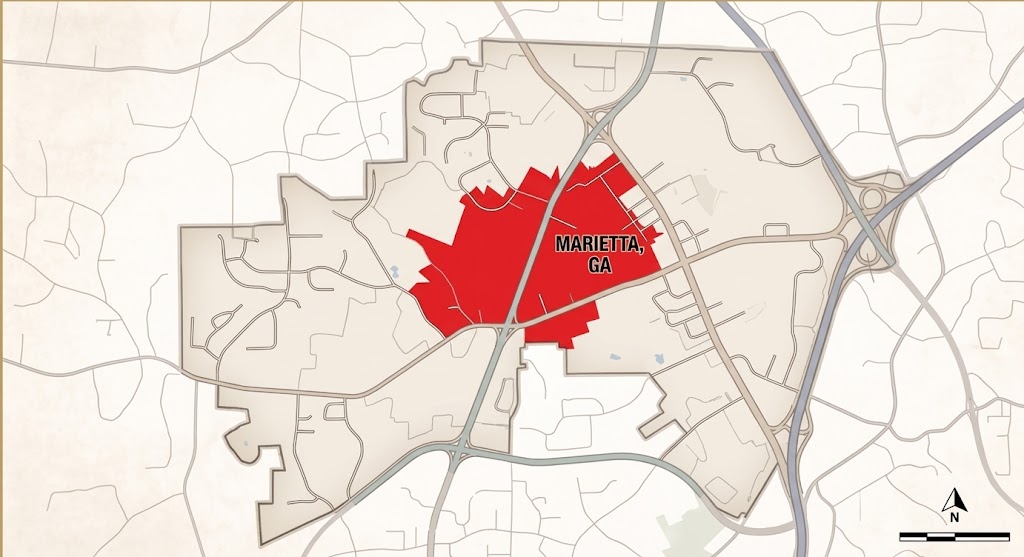
Homeowners and business owners in Marietta ask us similar questions about material performance, safety, and installation before moving forward with a project. Below, we answer the questions we hear most often.
Spray foam insulation is a liquid-applied material that expands on contact and hardens into a solid barrier. We use two main types: open-cell foam, which is lighter and more flexible, and closed-cell foam, which is denser and offers a higher R-value per inch.
Both types seal gaps, cracks, and joints that traditional insulation often misses. This creates a continuous barrier against air movement.
Spray foam insulation typically lasts 20 to 30 years or longer when installed correctly. Unlike fiberglass batts, it doesn’t sag, settle, or lose its shape over time.
We use commercial-grade materials designed to maintain their insulating properties for decades. The foam bonds to the substrate and doesn’t require replacement on the same schedule as other insulation types.
Yes, cured spray foam insulation is safe for occupied spaces. During installation, we require the area to be vacated because the chemicals release fumes as they cure.
Once fully cured, typically within 24 to 48 hours, the foam becomes inert and stable. We follow manufacturer guidelines and industry safety standards on every job to protect both our crew and your property.
We install spray foam in both attics and crawl spaces on a regular basis. In attics, foam is applied to the roof deck or attic floor to seal air leaks and reduce heat transfer.
In crawl spaces, we apply foam to the walls and rim joists to block moisture and outside air. This helps address common issues like musty odors, uneven floor temperatures, and pest entry points.
Spray foam seals air leaks that standard insulation materials leave open, which reduces the workload on heating and cooling systems. Less conditioned air escapes, and less outside air infiltrates the building.
This translates to more consistent indoor temperatures and lower monthly utility costs. Many of our customers in Marietta notice a difference in comfort within the first billing cycle after installation.
Yes, spray foam insulation requires professional installation due to the equipment and safety measures involved. The application process uses specialized spray rigs that mix and heat the chemical components before dispensing.
Our technicians are trained to control foam thickness, coverage, and curing conditions. Incorrect application can lead to under-expansion, off-gassing issues, or gaps in coverage, which is why we don’t recommend DIY kits for whole-home or commercial projects.