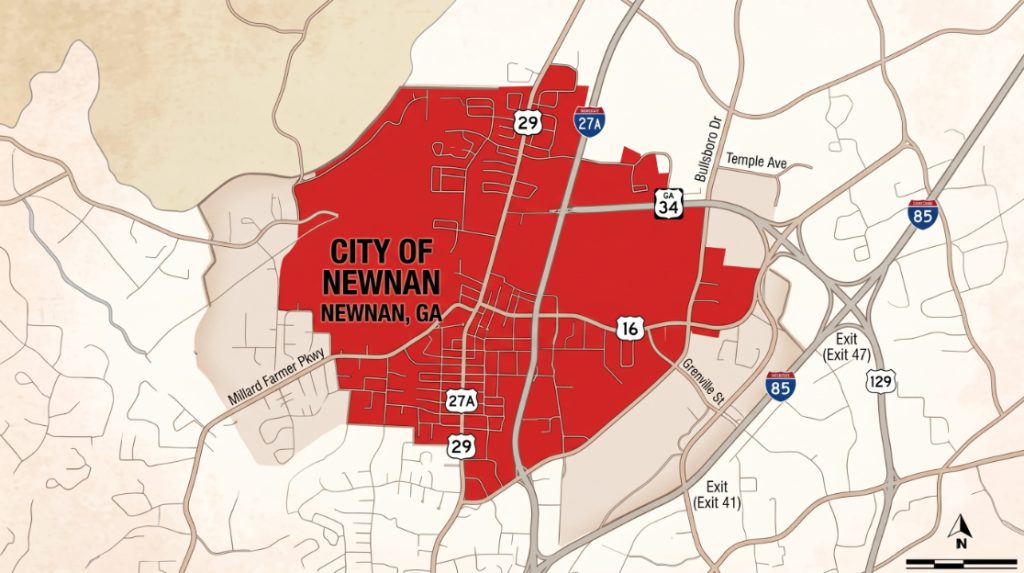

Pole barns in Newnan, GA face temperature swings, condensation, and energy loss without proper insulation. Metal roofing and walls transfer heat quickly, making pole barns uncomfortable and inefficient for storage, workshops, or livestock use. Georgia Insulation provides pole barn insulation services that address these issues directly, giving your building better temperature control and protection from moisture damage.
We work with homeowners and business owners across Newnan and the surrounding area who use their pole barns for a range of purposes. Whether your building houses equipment, serves as a workshop, or functions as commercial storage, insulation affects how well that space performs. Our team evaluates each structure individually and recommends materials suited to the building’s use and layout.
Pole barn owners often assume these structures don’t require the same insulation standards as a house. That assumption leads to higher energy costs, condensation buildup, and reduced comfort inside the building. We bring the same technical expertise to pole barn projects that we apply to residential and commercial insulation work throughout the region.
Spray foam insulation is not limited to pole barn walls. We install it in rooflines, attics, crawl spaces, and commercial buildings throughout Newnan and the surrounding areas.
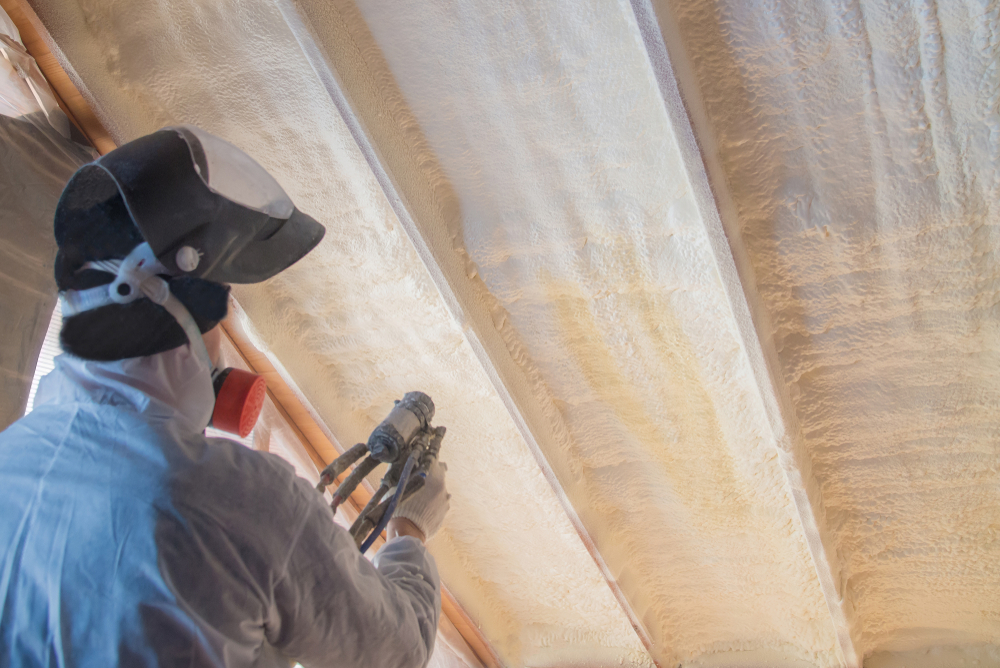
Pole barns used as workshops, garages, or hobby spaces need insulation that can handle large temperature changes. We apply spray foam to the roof and wall areas to create a more consistent indoor environment.
Closed-cell spray foam works well against the metal surfaces commonly found in pole barns. It helps seal air leaks, limit moisture movement, and reduce heat transfer through the building envelope.
Our team focuses on areas such as:
Proper coverage helps reduce drafts and makes the space more comfortable throughout the year.
The ceiling and roofline are major sources of heat gain and heat loss in pole barns. Without adequate insulation, summer heat can build up quickly while conditioned air escapes during cooler weather.
We install spray foam along the underside of the roof deck or ceiling assembly based on the building's design. This creates a more continuous thermal barrier while helping reduce air leakage.
We also look for gaps around framing, vents, electrical penetrations, and other areas where outside air can enter. Each pole barn is assessed individually because construction methods, ventilation, and intended use can vary.
Pole barns used for agricultural storage, equipment, or general storage have different insulation requirements depending on what the building contains. We evaluate the structure's size, use, ventilation, and moisture exposure before recommending an insulation approach.
Spray foam can help reduce temperature fluctuations and limit condensation on metal roofing and wall panels. This is especially useful in buildings where moisture can affect equipment, stored materials, or the structure itself.
For larger pole buildings, we can prioritize the roof, walls, or other problem areas based on how the space is used. This allows insulation to be applied where it can provide the most practical benefit.
Pole barn insulation delivers measurable improvements to temperature control, energy efficiency, and usability. Here’s how our insulation work translates into practical advantages for your property.
Spray foam insulation creates a continuous thermal barrier that keeps indoor temperatures steady regardless of outdoor conditions. Your pole barn won’t swing between extreme heat in summer and bitter cold in winter.
This matters whether you’re storing equipment, housing livestock, or using the space as a workshop. Consistent temperatures protect sensitive materials and reduce the strain on any heating or cooling equipment you run.
We apply insulation evenly across walls and ceilings to eliminate cold spots and hot zones. The result is a structure that holds its temperature far longer than an uninsulated building.
Uninsulated pole barns lose conditioned air through gaps in the structure, driving up energy costs. Spray foam expands to fill cracks, seams, and joints that standard insulation methods often miss.
Issue | Uninsulated Barn | Insulated Barn |
Air leakage | High | Minimal |
Energy costs | Higher | Lower |
Draft presence | Noticeable | Reduced |
We seal these gaps during installation, which cuts down on drafts and keeps your energy bills in check. A tighter building envelope also means your HVAC system works less to maintain a comfortable temperature.
A well-insulated pole barn is more comfortable to work in year-round. You won’t need to bundle up in winter or avoid the space during summer heat.
For business owners, this means employees can work more comfortably in storage or workshop areas. For homeowners, it means the barn becomes a usable extension of your property rather than a seasonal space.
We’ve seen how proper insulation turns an underused structure into a functional part of daily operations, whether that’s for equipment storage, a home gym, or a small workshop.
An uninsulated pole barn exposes your building and its contents to temperature extremes, moisture buildup, and conditions that make the space difficult to use. We see these issues develop in Newnan-area barns that skip insulation, and the damage often costs more to fix than the original installation would have cost.
Metal buildings without insulation heat up fast in summer and lose warmth just as quickly in winter. We’ve measured interior temperatures in uninsulated pole barns that mirror outdoor extremes within a few degrees.
This affects more than comfort. Equipment, electronics, and climate-sensitive inventory can suffer from constant temperature cycling.
If you heat or cool any part of the structure, an uninsulated building forces your HVAC system to work harder. That translates to higher utility bills every month, with no improvement in performance.
Metal panels react to temperature changes by sweating. When warm, moist air inside the barn meets a cold metal surface, condensation forms on the interior of the roof and walls.
Over time, we’ve found that this moisture leads to:
Left unaddressed, condensation damage can compromise the structural integrity of the building. Repairs to rusted framing or rotted posts are far more expensive than insulating the barn from the start.
A pole barn used as a workshop, garage, or business space needs to be functional year-round. Without insulation, summer heat and winter cold make the space hard to work in for extended periods.
We hear from business owners who lose productive hours because employees can’t tolerate the conditions inside. Homeowners using the space for hobbies or storage face the same limitation.
Noise is another factor. Uninsulated metal walls and roofing amplify rain, hail, and wind, which adds to the discomfort of using the building regularly.
We bring local expertise and climate-specific knowledge to every pole barn project, pairing the right materials with the right installation method for your building’s intended use.
Based in Newnan, we serve surrounding Georgia communities with experience handling the region's heat, humidity, and seasonal changes. Our crews understand local pole barn construction and building codes and bring over 35 years of combined industry experience to each project.
Not every pole barn has the same insulation needs. We consider how you use the building, whether it is for storage, livestock, a workshop, living space, or commercial use, then recommend an insulation approach based on comfort, moisture control, energy efficiency, and the building's specific requirements.
Our installation process follows a defined sequence from start to finish. Each pole barn insulation project moves through assessment, application, and final review before we consider the job complete.
We start every project with an on-site evaluation of your pole barn. Our team measures wall and ceiling dimensions, checks existing framing, and notes any moisture or ventilation concerns.
We also ask about how you use the space. A workshop with equipment has different insulation needs than a barn used for livestock or storage.
Based on this assessment, we recommend an insulation type and R-value target suited to your building and budget. We then provide a written plan outlining material, scope, and timeline before work begins.
This planning stage lets us identify potential issues early, such as roof leaks or gaps in the vapor barrier. Addressing these before application helps the insulation perform as intended.
Before applying spray foam, we clear the work area and inspect surfaces for dust, debris, or existing moisture damage. Any damaged wood or metal panels are flagged for repair first.
We mask off areas that should not receive foam, including electrical outlets, vents, and windows. This step protects fixtures and keeps the application contained to the intended surfaces.
Our crew then applies spray foam in controlled layers, building up to the specified thickness for your project. We monitor coverage closely to avoid thin spots or gaps along seams and corners.
Application typically covers:
We work in sections to maintain consistent coverage throughout the building.
Once application is complete, we inspect the entire surface for even coverage and proper adhesion. We check for any missed spots, particularly near corners, seams, and penetrations.
We remove masking materials and clean the work area, including any overspray on floors or equipment. Debris and packaging from the job are hauled away before we leave the site.
We walk through the finished work with you, pointing out coverage areas and answering any questions about the installation. This gives you a clear record of what was done and where.
If follow-up trim work or touch-ups are needed, we address them before closing out the project.
We provide pole barn insulation in Newnan, GA and surrounding areas, helping control heat, moisture, condensation, and energy loss in workshops, garages, storage buildings, and barns.
Requesting an estimate takes just a few minutes. Call us or fill out our online request form with basic details about your pole barn, including size, current insulation status, and intended use.
We’ll follow up to schedule an on-site visit. During this visit, our team inspects the structure, discusses your goals, and identifies the best insulation approach for your budget and building type.
You’ll receive a written estimate outlining materials, labor, and estimated timeline. There’s no obligation attached to this quote, and we’re happy to answer questions before you commit to a project.
Below we answer common questions about materials, costs, R-values, and timelines for pole barn insulation in Newnan and the surrounding Georgia area.
Spray foam is our top recommendation for most pole barns because it seals gaps and creates an air barrier in one application. We also install fiberglass batts and rigid foam board, depending on your building’s use and budget.
For climate-controlled spaces like workshops or living quarters, we typically suggest closed-cell spray foam. For storage buildings, open-cell foam or fiberglass often meets the need at a lower cost.
Costs vary based on the insulation type, ceiling height, and whether you insulate walls, roof, or both. We provide a detailed quote after assessing your building’s dimensions and goals.
Spray foam generally costs more upfront than fiberglass or foam board, but it reduces air leakage more effectively. We walk through pricing options during your on-site consultation.
Yes, we apply spray foam to both metal walls and roof panels in pole barns. It adheres directly to the metal surface and fills gaps around purlins and girts.
This application method addresses two common pole barn issues: air infiltration and temperature swings. We assess your building’s framing before recommending wall or roof application.
For walls, we typically recommend an R-value between 13 and 21, depending on the building’s use. For roofs, R-19 to R-30 is common in our region’s climate.
Georgia’s mix of hot summers and cool winters means your R-value needs depend on whether the space is heated, cooled, or used seasonally. We calculate specific recommendations based on your building’s purpose.
Yes, insulation reduces the temperature difference between interior and exterior metal surfaces, which lowers condensation buildup. Spray foam performs this function well because it also seals air gaps where moist air enters.
Without insulation, metal roofs and walls in pole barns often collect moisture that drips onto stored items or equipment. We address this directly when we insulate your building’s roof and wall assemblies.
Most pole barn insulation projects take one to three days, depending on the building’s size and insulation type. Spray foam applications often finish faster than batt or board installations due to the spray method.
We provide a project timeline estimate after reviewing your building’s square footage and scope of work. Weather conditions can also affect scheduling for outdoor or partially enclosed structures.