New Construction Insulation Sandy Springs, GA

Rated 5.0 on Google Reviews
Rated 5 out of 5

Spray Foam Solutions for Homes and Businesses

Spray foam insulation solutions

Building a new home or commercial property in Sandy Springs means making decisions about insulation before walls close up and access disappears. New construction insulation is the process of installing spray foam and other insulation materials during the building phase, when it’s easiest to seal every gap, wall cavity, and rooflines properly. Once the drywall goes up, correcting insulation mistakes becomes expensive and disruptive.

We work with homeowners and business owners across Sandy Springs and the surrounding areas to insulate new builds correctly the first time. Poor insulation choices during construction lead to higher energy bills, uneven temperatures, and moisture problems that can affect a building for decades.

This page covers what our new construction insulation service includes, the benefits of getting it right early, and what happens if insulation is overlooked or done poorly. We also explain our process, the areas we serve, and answer common questions from property owners planning a new build.

Spray Foam Solutions for New Builds

Spray foam insulation adapts to nearly any space in a new build, from open wall cavities to irregular crawl space perimeters. We apply the right formula for each area based on framing type, moisture exposure, and code requirements.

🏠

Attics, Walls, And Rooflines

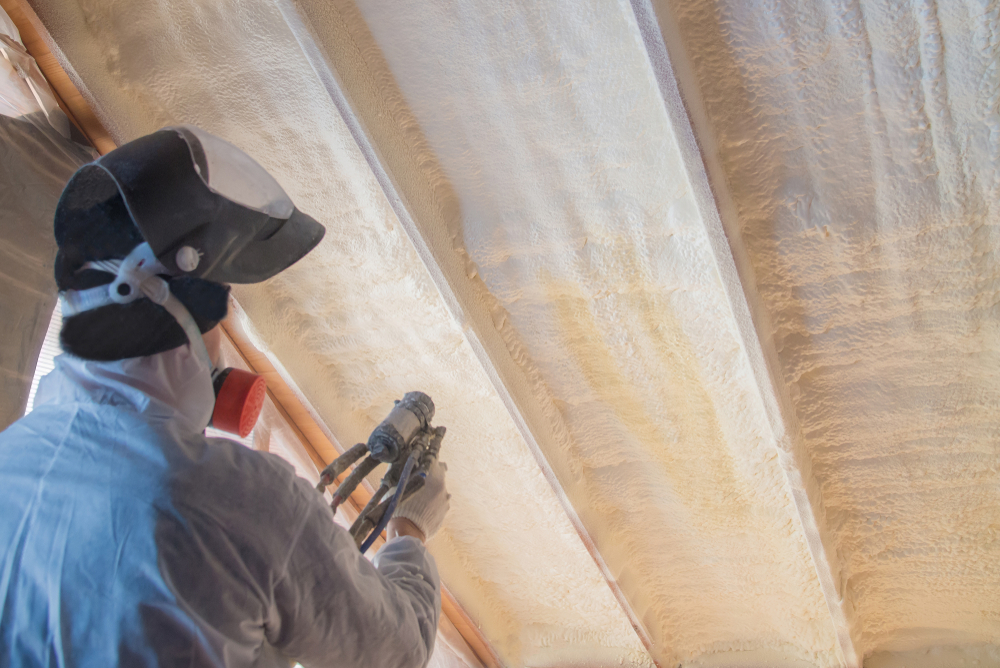
We insulate attics and rooflines with closed-cell or open-cell spray foam applied directly to the underside of the roof deck or between rafters. This method seals gaps at eaves, ridges, and penetrations where air commonly leaks through.

In exterior wall cavities, we spray foam into stud bays before drywall goes up. The foam expands to fill every corner and seam, including areas around wiring and plumbing lines.

This approach reduces air movement between conditioned and unconditioned spaces. It also adds structural rigidity to wall assemblies, which fiberglass batts do not provide.

GET A FREE QUOTE
💧

Crawl Spaces And Foundations

Crawl spaces and foundation walls need a different approach because of ground moisture and temperature swings. We apply closed-cell foam to foundation walls and rim joists to create a moisture barrier while sealing air leaks.

This method:

  • Blocks moisture transfer from soil and groundwater
  • Reduces the risk of wood rot and mold growth
  • Stabilizes floor temperatures above crawl spaces
  • Prevents pest entry through small gaps and cracks

We size the application based on foundation type, whether it's a vented crawl space, sealed crawl space, or slab-on-grade design. Each configuration requires specific placement to meet local building codes.

GET A FREE QUOTE
🏢

Commercial Building Applications

Commercial new construction involves larger spans and more complex assemblies than residential projects. We apply spray foam to metal building panels, tilt-up concrete walls, and steel-frame structures where thermal bridging is a common concern.

For warehouses, office buildings, and retail spaces, we target roof decks and wall systems that face the most exposure to outdoor temperatures. Spray foam fills seams between metal panels that traditional insulation cannot reach.

We coordinate with general contractors and architects to schedule application at the correct construction phase. This timing ensures the foam is installed before insulation gets covered by finishes or fire-rated assemblies.

GET A FREE QUOTE

Energy, Comfort, And Moisture Control Benefits

Proper insulation in new construction affects three connected areas: how much energy the building uses, how comfortable the space feels, and how well it manages humidity. When we install insulation correctly during the building phase, these three factors work together instead of against each other.

Lower Heating And Cooling Demand

We size insulation to match the thermal requirements of each part of the structure, from attics to exterior walls. This reduces the amount of heat that escapes during winter and the amount that enters during summer.

A well-insulated building requires less work from HVAC equipment to maintain a set temperature. That translates into lower monthly utility costs for homeowners and business owners alike.

We also account for regional climate demands specific to the Sandy Springs area. Georgia summers create significant cooling loads, so we focus on insulation values that keep indoor temperatures stable without forcing the system to run constantly.

Improved Indoor Comfort

Insulation affects comfort beyond temperature control. We install materials that reduce drafts, cold spots, and uneven heating between rooms or floors.

In commercial buildings, this consistency matters for employee and customer comfort throughout the day. In homes, it means bedrooms, living areas, and lower levels stay closer to the same temperature.

We also address sound transmission as part of our comfort-focused approach:

  • Interior walls: reduces noise between rooms
  • Floors between levels: limits sound transfer in multi-story buildings
  • Shared walls in commercial spaces: supports privacy between units or offices

These improvements come from the same materials and installation methods we use for thermal performance.

Air Sealing And Humidity Management

We pair insulation with air sealing to close gaps where air and moisture can move through the building envelope. This step is necessary because insulation alone does not stop air infiltration.

Air sealing keeps conditioned air inside and prevents outdoor humidity from entering unchecked. This matters in our region, where high outdoor humidity can lead to condensation problems if the building envelope isn’t managed properly.

We also select insulation materials and vapor barriers based on where moisture risk is highest, such as crawl spaces, attics, and exterior walls. This reduces the chance of trapped moisture, which can lead to mold growth or material damage over time.

Consequences of Insufficient Insulation

Skipping proper insulation during new construction creates problems that surface immediately and worsen over time. Below, we outline the three most common issues we see in under-insulated homes and commercial buildings.

Higher Utility Costs

Without adequate insulation, heat escapes through walls, roofs, and floors in winter and enters freely in summer. Your HVAC system has to work harder to compensate, which drives up energy use.

We regularly see buildings with insufficient insulation using 20-30% more energy than properly insulated structures. This isn’t a one-time expense; it repeats every month for as long as the insulation gap exists.

For commercial buildings, these losses multiply across larger square footage. Even a small R-value shortfall in insulation can translate into thousands of dollars in unnecessary heating and cooling costs annually.

Insufficient insulation creates hot spots and cold spots throughout a building. Rooms near exterior walls or above unheated spaces often feel noticeably different from the rest of the structure.

Common signs include:

  • Cold floors above garages or crawl spaces
  • Drafts near electrical outlets and window frames
  • Upper floors that stay warmer than lower floors
  • Rooms that never reach the thermostat’s set temperature

These temperature swings force occupants to adjust thermostats constantly or use space heaters and fans to compensate. In commercial settings, uneven temperatures can affect employee comfort and productivity, particularly in open floor plans or buildings with multiple stories.

Poor insulation allows warm, moist air to meet cold surfaces inside walls and ceilings, which leads to condensation. Over time, this moisture buildup can result in mold growth, wood rot, and damaged drywall.

We often find these issues in attics and crawl spaces where insulation gaps allow temperature differentials to form. Moisture problems can also compromise indoor air quality, which is a concern for both homeowners and business owners managing employee or tenant health.

Left unaddressed, condensation-related damage requires costly repairs that go beyond insulation replacement, including structural repairs and mold remediation.

Why Choose Georgia Insulation

Selecting an insulation contractor for new construction affects the long-term performance of a building. We combine local knowledge with quality materials and professional installation to give homeowners and business owners a result that meets code and performs as expected.

Local Sandy Springs Expertise

We work in Sandy Springs and the surrounding North Georgia area, so we understand the climate conditions that can affect insulation performance here. Georgia summers bring high heat and humidity, while winter temperatures can drop below freezing, putting added demands on a building's thermal envelope. We understand the local building codes and inspection requirements for new construction projects and can coordinate insulation installation with your framing schedule and inspection timeline to help avoid delays. Our team has worked on residential and commercial projects throughout the Sandy Springs area, giving us experience with local builders, general contractors, and common job site conditions.

Quality Materials And Professional Installation

We use industry-standard insulation products, including spray foam, batt, and blown-in materials, selected based on the specific application within your building. Our crews are trained in proper installation techniques for each material type because even high-quality insulation may not perform as expected when installed incorrectly. We follow manufacturer guidelines for coverage thickness, air sealing, and moisture control throughout the installation process. Every project includes a site assessment before work begins, material selection based on the building area, application according to manufacturer specifications, and a final quality check to confirm coverage and seal integrity. This approach helps reduce gaps, compression, and uneven coverage that can lower insulation performance over time.

Our Installation Process

We follow a structured process for every new construction insulation project in Sandy Springs and surrounding areas. This keeps materials, timing, and code compliance aligned with your builder’s schedule.

01 Project Assessment And Recommendations

We start by reviewing architectural plans and meeting with your builder or general contractor. This helps us identify insulation zones, R-value requirements, and any areas that need special attention, such as rim joists or cathedral ceilings.

We then recommend the right insulation type for each application:

  • Spray foam for air sealing and moisture control in walls and attics
  • Batt insulation for standard wall cavities
  • Blown-in insulation for attics and hard-to-reach spaces

Our recommendations are based on climate zone requirements and the building’s design. We provide a written scope of work before scheduling installation, so there are no surprises once work begins.

Our crews arrive on-site according to the agreed schedule and communicate directly with site supervisors to minimize downtime.

We install spray foam in wall cavities, attics, and rim joists using calibrated equipment to control expansion and thickness. For other areas, we apply batt or blown-in insulation as specified in the project scope.

We protect surrounding surfaces, electrical fixtures, and HVAC components during application. Our team also monitors curing times for spray foam to prevent off-gassing issues before the next construction phase begins.

We keep the site clean and remove excess material daily.

We coordinate installation timing with other trades to avoid delays. Insulation typically goes in after rough electrical and plumbing inspections but before drywall.

Our crews apply materials according to manufacturer specifications and local building codes. We pay close attention to sealing gaps around penetrations, outlets, and framing junctions to prevent air leaks.

Once installation is complete, we conduct a final review. This includes checking coverage consistency, confirming R-values meet the project specifications, and documenting the work for inspection purposes. We address any adjustments before the next phase of construction begins.

Serving Sandy Springs And Surrounding Communities

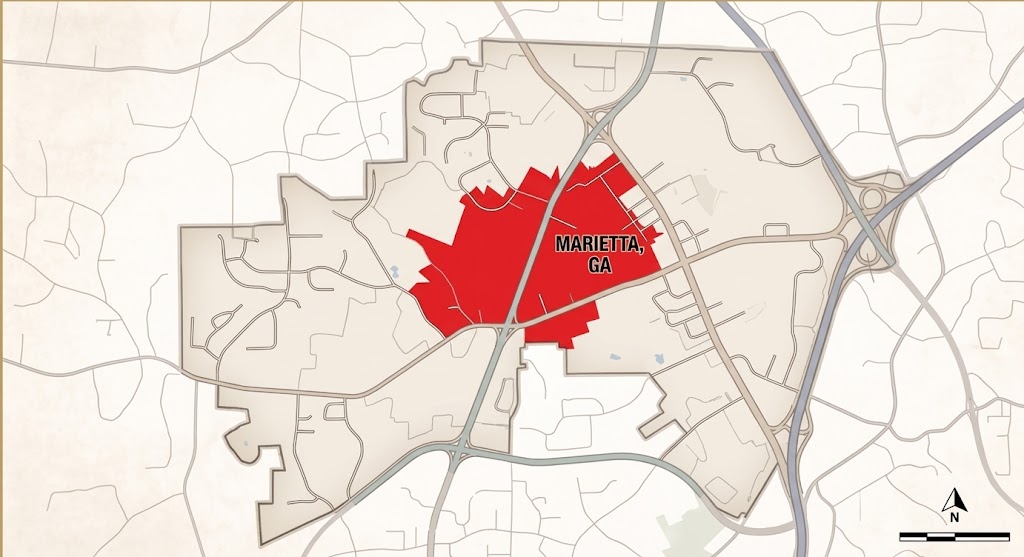
We install new construction insulation throughout Marietta and neighboring Cobb County communities. Our crews work on residential subdivisions, custom homes, and commercial builds across the region.

Testimonials

Posted on Google Google
Cara Tiesler profile picture
Cara Tiesler
Google star 1Google star 2Google star 3Google star 4Google star 5Trustindex verifies that the original source of the review is Google.
Georgia Insulation saved the day and our house! Breanna promptly answered my call, which was at the end of the work day, and listened to me freak out about being down to the wire and in need of insulation. She jumped right on the request and worked diligently with Jason to get me on the schedule asap. We cannot thank them enough for saving us! The installers were kind, professional and early… who is early these days?! We were very impressed by Breanna, Jason, and the rest of the team at Georgia Insulation. Don’t hesitate to work with this company, they actually care about their clients and don’t over promise (unlike the company that blew us off a day before they were scheduled to Install because they over promised and under delivered). So again, if you need a super reliable and professional insulation company, reach out to Breanna at Georgia Insulation, and she will get you taken care of! Thanks again for helping us!!
Posted on Google Google
Mary Jane profile picture
Mary Jane
Google star 1Google star 2Google star 3Google star 4Google star 5Trustindex verifies that the original source of the review is Google.
Fast friendly service
Posted on Google Google
jeff schmitt profile picture
jeff schmitt
Google star 1Google star 2Google star 3Google star 4Google star 5Trustindex verifies that the original source of the review is Google.
I can say enough great things about the people and my experience with Georgia Insulation. Terra came out and gave a thorough evaluation and quote for open cell foam insulation for our home. The quote was reasonable, and for the amount of work to be done, I thought it was a great deal. Edwin and his crew were awesome and entertaining. They removed all of the existing insulation in the attic and completely covered the underside of the roof with open cell foam. I’ve waited about 2 months to write this review, as I wanted to share energy savings. Last month bill was $106 less than the previous year, same month. The part about that blew me away, was last years June was a very mild June and this June has been quite hot. That being said, I feel very confident I will see a return on my investment. I highly recommend Georgia Insulation and Terra Schaefer and team.
Posted on Google Google
Allene Hoff profile picture
Allene Hoff
Google star 1Google star 2Google star 3Google star 4Google star 5Trustindex verifies that the original source of the review is Google.
The consultant was very good. He explained and answered all my questions concerning my problem. They were very prompt in coming out and the two young men, Edward and Ulises were very friendly and very professional. They took care not to get anything on my floors. They also cleaned up after the job was done. I would certainly recommend this company.
Posted on Google Google
Frank Armatti profile picture
Frank Armatti
Google star 1Google star 2Google star 3Google star 4Google star 5Trustindex verifies that the original source of the review is Google.
Ga insulation came to my home and insulated with close cell foam underneath my floor. Techs needed a second access to get to 2 bedrooms which I was not able to provide while they were here . The room temperatures were at 73 where they had sprayed and where they didn’t was at 59! I am excited that they are returning to finish now that I have the access they needed . The workers were excellent and very professional.This made such a difference in my heating now that the heat shuts off when needed to! Georgia Insulation is a top notch company providing a great service for a very fair price! My best decision ever!
Posted on Google Google
Will Brown profile picture
Will Brown
Google star 1Google star 2Google star 3Google star 4Google star 5Trustindex verifies that the original source of the review is Google.
Posted on Google Google
Chris Jones profile picture
Chris Jones
Google star 1Google star 2Google star 3Google star 4Google star 5Trustindex verifies that the original source of the review is Google.
Great service, fast, and good communication.
Posted on Google Google
Luke Thomas profile picture
Luke Thomas
Google star 1Google star 2Google star 3Google star 4Google star 5Trustindex verifies that the original source of the review is Google.
Great job. On time. Left place nice & clean. This is second job. I will definitely use them on the next one. Thanks All
Posted on Google Google
JC Ammons profile picture
JC Ammons
Google star 1Google star 2Google star 3Google star 4Google star 5Trustindex verifies that the original source of the review is Google.
Did an excellent job insulating our new construction. Good communication and clean work.
Posted on Google Google
James Morris profile picture
James Morris
Google star 1Google star 2Google star 3Google star 4Google star 5Trustindex verifies that the original source of the review is Google.
Georgia Insulation do excellent work and are a great bunch of people to work with. I highly recommend them and will use them again.

Schedule a New Construction Consultation

We recommend contacting us early in the construction timeline, ideally after framing is complete but before drywall installation begins. This allows us to assess the building’s layout and plan insulation placement accurately.

To request an estimate, call our office or fill out the contact form on our website. We’ll ask for basic project details, including square footage, building type, and target completion date.

A team member will schedule a site visit to review the structure and provide a written quote. We work with general contractors and project managers to coordinate scheduling around other trades.

Frequently Asked Questions

Homeowners and business owners in Sandy Springs ask us about code requirements, safety, timelines, and where insulation applies in a new build. Here are the answers we give most often.

What insulation R-values are required for new homes in Georgia?

Georgia’s energy code sets minimum R-values based on the part of the home and the local climate zone. For most new homes in our area, walls typically require R-13 to R-20, while attics call for R-38 or higher.

We confirm the exact figures for each project based on current code and the building’s design. This keeps your home compliant and ready for inspection.

We install spray foam in attics, exterior walls, crawl spaces, and rim joists. In commercial buildings, we also apply it in roof decks, mechanical rooms, and areas where air sealing matters most.

Each area serves a different purpose, from blocking moisture in a crawl space to reducing heat transfer in an attic. We assess the full structure before recommending where foam makes the most sense.

Yes. Spray foam is safe once it cures, and we follow manufacturer guidelines and local safety codes during application.

We ventilate the work area properly and allow the recommended cure time before other trades continue work nearby. This protects both our crew and your building.

Insulation slows the transfer of heat between indoor and outdoor spaces. This means your HVAC system works less to maintain a steady temperature, which can lower utility costs over time.

Spray foam also seals gaps and cracks that other insulation types miss. That air sealing effect adds to the energy savings beyond just the R-value.

Most residential projects take one to three days, depending on the size of the home and the areas being insulated. Commercial projects vary more, since square footage and building complexity play a bigger role.

We provide a project-specific timeline once we review the plans. This helps builders coordinate insulation with other phases of construction.

Yes. We serve Sandy Springs and surrounding communities throughout the metro area.

If you’re unsure whether your project location falls within our service range, we’re happy to confirm before you schedule anything.