

New Construction Insulation Newnan, GA

Rated 5.0 on Google Reviews
Rated 5 out of 5

Spray Foam Applications for New Builds

Spray foam insulation solutions

Building a new home or commercial building in Newnan, GA gives you one chance to get insulation right before walls and ceilings close up for good. We install new construction insulation that seals gaps, regulates indoor temperature, and lowers long-term energy costs while your project is still in the framing stage. Waiting until after construction means tearing into finished walls, which adds cost and delay.

We work with builders, contractors, and property owners across Coweta and Fayette County to coordinate insulation installation around your framing timeline. Our team handles both residential and commercial projects, using spray foam and blown-in methods suited to your building’s structure and local code requirements.

This guide covers what new construction insulation involves, where it gets applied throughout a home or commercial building, and what happens if this step gets skipped or rushed.

Where Spray Foam Fits in a New Home

Spray foam serves different purposes depending on where we install it. Each area of a new build has its own requirements, and we adjust our approach based on climate exposure, framing type, and local code.

🏠

Attics and Rooflines

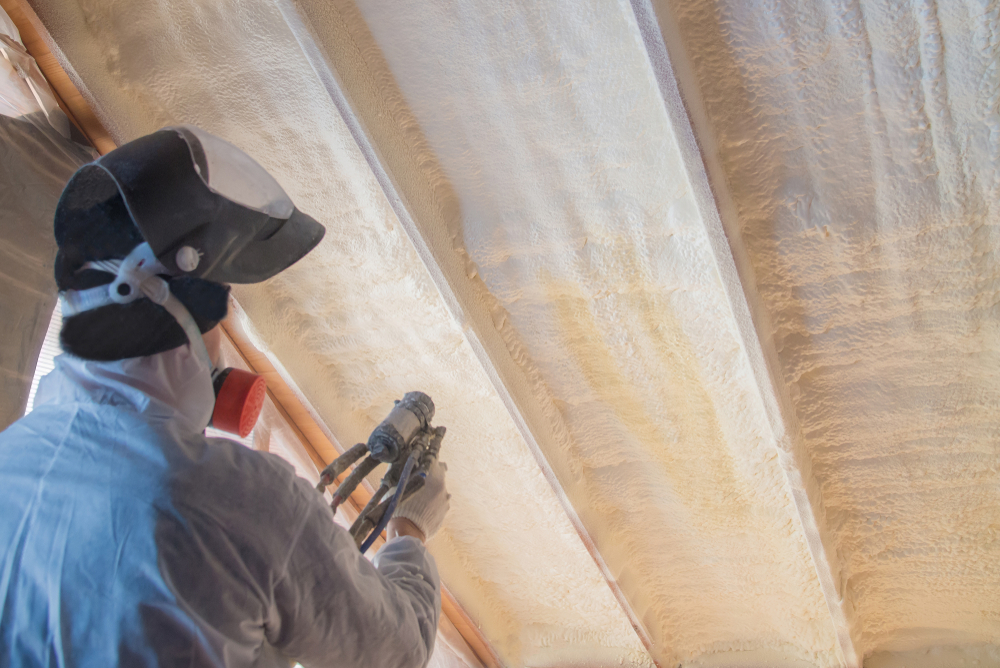
The attic is one of the most common places we apply spray foam in new construction. We typically spray closed-cell or open-cell foam directly to the underside of the roof deck, creating a conditioned, unvented attic space.

This approach keeps ductwork and HVAC equipment inside the thermal envelope. We find this reduces energy loss that occurs when equipment sits in an unconditioned, vented attic.

Spray foam also forms an air barrier along the roofline. This limits heat transfer in the summer and reduces cold air infiltration in winter, which matters across Georgia's humid, variable climate.

🧱

Exterior Walls and Rim Joists

We apply spray foam to exterior wall cavities to fill gaps around studs, wiring, and plumbing penetrations that fiberglass batts often miss. This creates a more consistent air seal across the entire wall assembly.

Rim joists receive particular attention from us. These areas, where the floor framing meets the foundation, are common sources of air leakage and moisture intrusion.

We use closed-cell foam at rim joists because of its moisture resistance and structural rigidity. This helps prevent condensation issues that can lead to wood rot or mold growth over time, a concern we address directly during installation rather than leaving to chance.

🔧

Crawl Spaces and Floors

Crawl spaces in new construction benefit from spray foam applied to the walls rather than the floor joists above, which supports an encapsulated, sealed crawl space design. We seal the foundation walls and rim joists together as one continuous barrier.

This method keeps humid outside air from entering the crawl space, which reduces moisture-related risks to framing and subflooring. We also assess ground vapor barriers as part of this process, since foam alone does not address moisture rising from the soil.

For homes without a crawl space, we insulate the underside of the first-floor framing directly, targeting the same air-sealing and thermal goals.

Spray Foam Applications for Commercial Buildings in Newnan, GA

Commercial properties in our service area face different insulation demands than residential buildings, from large unconditioned spaces to high-traffic customer areas. We apply spray foam differently depending on the structure type and its specific performance requirements.

Metal Buildings and Warehouses

Metal buildings present unique insulation challenges due to thermal conductivity and condensation risk. We use closed-cell spray foam on the interior of metal panels to create a continuous air and moisture barrier that standard batt insulation cannot match.

This application addresses a common problem in Georgia’s climate: condensation forming on metal surfaces when warm, humid air meets cool interior temperatures. Left unchecked, this moisture leads to rust, mold, and damaged inventory.

For warehouses with high ceilings, we focus application on the roof deck and wall panels to reduce heat gain during summer months. Closed-cell foam also adds structural rigidity to the building envelope, which can help with wind resistance in metal structures.

Offices and Retail Spaces

Office buildings and retail spaces require a different approach, since comfort and noise control often matter as much as energy efficiency. We insulate exterior walls, rooflines, and areas around windows and doors to reduce drafts and maintain consistent indoor temperatures across multiple rooms or floors.

Open-cell spray foam works well in interior partition walls to dampen sound transfer between offices, conference rooms, or retail departments. We also treat areas prone to air leakage, such as loading dock seals and utility penetrations, which are common weak points in commercial envelopes.

For multi-tenant buildings, consistent insulation helps prevent temperature complaints between units and reduces strain on individual HVAC systems.

Benefits of Insulating During Construction

Installing insulation before walls are closed gives us access to every stud bay, joist cavity, and rim board, which means fewer gaps and a tighter overall building envelope. This stage-specific advantage translates directly into measurable improvements in comfort, efficiency, and long-term durability.

Indoor Comfort and Energy Efficiency

We size and place insulation to match each room’s exposure, so bedrooms, living areas, and commercial spaces maintain consistent temperatures year-round. Proper R-values in walls, attics, and floors reduce the strain on HVAC systems, which lowers monthly utility costs.

Insulating during construction also addresses sound transmission between rooms and floors. This matters for multi-family units, home offices, and commercial buildings where noise control affects daily operations.

Benefits we commonly deliver include:

  • Lower energy bills from reduced heat transfer through walls and attics
  • Fewer hot or cold spots across rooms and floors
  • Quieter interiors from reduced sound transfer between spaces
  • Less HVAC cycling, which extends equipment life

Air sealing during new construction stops unconditioned air from entering through gaps around windows, electrical penetrations, and framing joints. We pair insulation installation with targeted air sealing to close these pathways before drywall goes up.

Moisture control is equally important at this stage. Unsealed gaps allow humid air to reach cold surfaces, which can lead to condensation inside wall cavities.

We install vapor barriers and select insulation materials suited to your climate zone and building type. This reduces the risk of trapped moisture, which protects framing lumber and helps maintain stable indoor humidity levels throughout the structure.

What Inadequate Insulation Can Cost You

Skipping proper insulation during new construction leads to higher utility bills and problems that are expensive to fix once walls and ceilings are closed up. We’ve seen both issues firsthand on projects across Newnan and the surrounding area.

Uneven Temperatures and Higher Energy Bills

Insufficient insulation lets conditioned air escape through walls, ceilings, and floors. This forces your HVAC system to work harder, which drives up energy costs month after month.

Rooms farthest from the thermostat often feel noticeably warmer or colder than the rest of the building. Homeowners and business owners both notice this unevenness, especially in multi-story buildings or large commercial spaces.

Common signs of inadequate insulation include:

  • Rooms that never reach the set temperature
  • HVAC systems running constantly to compensate
  • Energy bills that climb each season without explanation
  • Drafts near windows, doors, or outlets

We size insulation to match your building’s specific layout and climate demands. This helps maintain consistent temperatures and keeps your energy costs predictable.

Hard-to-Fix Gaps After Construction

Once drywall, siding, or flooring is installed, insulation gaps become far more difficult and costly to correct. Crews may need to cut into finished walls or remove flooring to access the affected areas.

We prioritize inspecting every stud bay, corner, and penetration point before construction moves forward. Missed spots around electrical boxes, plumbing lines, and window frames are common sources of future problems.

Stage

Cost to Fix Gaps

During construction

Lower; areas are still open

After drywall/finishes

Higher; requires demolition and repair

Catching these gaps early saves you from repair costs and disruption later. Our team checks insulation coverage at each phase to avoid these issues before walls close up.

Why Builders and Property Owners Choose Georgia Insulation

Our insulation decisions are based on local code requirements, climate conditions, and the specific framing or construction methods used on each project. We coordinate directly with builders and property owners so insulation work fits into the construction timeline without causing delays.

Service in Newnan, GA, and Surrounding Areas

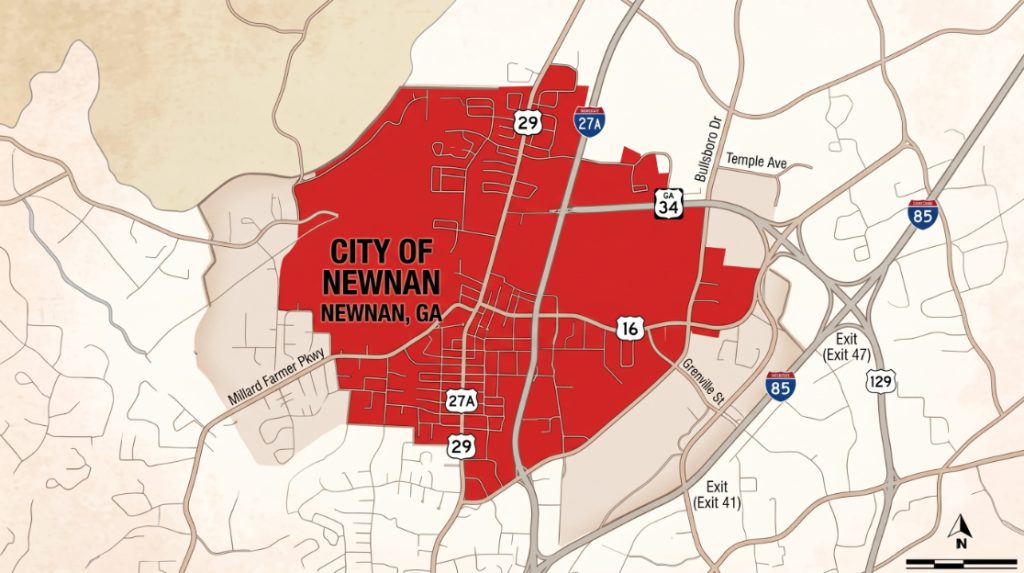
We provide new construction insulation throughout Newnan and surrounding Georgia communities, with knowledge of local building codes, inspections, and climate conditions. We coordinate installation around framing and pre-drywall schedules to keep projects moving and ensure insulation is installed at the right stage.

Recommendations Matched to the Building

We tailor new construction insulation to each building's design, structure, climate requirements, moisture needs, and intended use. We recommend materials and installation methods based on the project rather than using a one-size-fits-all approach.

From Planning to Installation in New Construction Projects in Newnan, GA

New construction insulation projects succeed when planning and installation work together from the start. We coordinate with builders, review blueprints, and schedule our work at the right construction phase to avoid delays and rework.

01 Reviewing Plans and Choosing Materials

We start by reviewing architectural plans and building specifications before any material arrives on site. This step helps us identify wall assemblies, attic configurations, and areas that require different insulation types.

Material selection depends on several factors:

  • Climate zone requirements for Newnan and surrounding Georgia areas
  • Wall cavity dimensions and framing type
  • Local building code minimums for R-value
  • Moisture control needs based on building design
  • Budget constraints set by the homeowner or builder

We match spray foam, batt, or blown-in insulation to each part of the structure based on these factors. This planning stage prevents material shortages or mismatches once installation begins.

We work directly with general contractors and project managers to schedule insulation work around other trades. Electrical, plumbing, and HVAC rough-ins need to be complete before we start, since insulation fills the spaces around these systems.

We communicate timelines clearly so framing crews, inspectors, and drywall installers aren’t delayed. Our crews show up on the agreed date and complete the work within the scheduled window.

This coordination reduces the chance of scheduling conflicts that can push back a project’s completion date. We’ve found that clear communication with site supervisors keeps the entire build on track.

Insulation goes in after the building is framed and rough inspections for electrical, plumbing, and HVAC are complete. It must be installed before drywall or other wall coverings go up.

This timing matters for a specific reason: once walls are closed, insulation can’t be added or adjusted without tearing into finished surfaces. Installing at the correct phase also allows inspectors to verify the work before it’s covered.

We typically install insulation during what’s called the “pre-drywall” phase. Waiting too long creates scheduling bottlenecks; installing too early risks damage from other trades still working in the space.

Spray foam works best in areas where air sealing and insulation need to happen together. We apply it in these locations most often:

Area

Why Spray Foam Works Here

Rim joists

Seals gaps where foundation meets framing

Crawl spaces

Blocks moisture and controls air leakage

Attics (unvented)

Creates a conditioned space, reduces heat transfer

Exterior walls

Fills irregular cavities around wiring and pipes

Commercial roof decks

Provides continuous insulation with air barrier

We recommend spray foam for spaces with irregular shapes or where traditional batts leave gaps. For standard wall cavities in simple framing, other insulation types may cost less while still meeting code.

Serving Newnan, GA and surrounding areas

We provide new construction insulation in Newnan, GA and surrounding areas, helping builders and property owners improve energy efficiency, air sealing, moisture control, and indoor comfort from the start.

Testimonials

Posted on Google Google
Cara Tiesler profile picture
Cara Tiesler
Google star 1Google star 2Google star 3Google star 4Google star 5Trustindex verifies that the original source of the review is Google.
Georgia Insulation saved the day and our house! Breanna promptly answered my call, which was at the end of the work day, and listened to me freak out about being down to the wire and in need of insulation. She jumped right on the request and worked diligently with Jason to get me on the schedule asap. We cannot thank them enough for saving us! The installers were kind, professional and early… who is early these days?! We were very impressed by Breanna, Jason, and the rest of the team at Georgia Insulation. Don’t hesitate to work with this company, they actually care about their clients and don’t over promise (unlike the company that blew us off a day before they were scheduled to Install because they over promised and under delivered). So again, if you need a super reliable and professional insulation company, reach out to Breanna at Georgia Insulation, and she will get you taken care of! Thanks again for helping us!!
Posted on Google Google
Mary Jane profile picture
Mary Jane
Google star 1Google star 2Google star 3Google star 4Google star 5Trustindex verifies that the original source of the review is Google.
Fast friendly service
Posted on Google Google
jeff schmitt profile picture
jeff schmitt
Google star 1Google star 2Google star 3Google star 4Google star 5Trustindex verifies that the original source of the review is Google.
I can say enough great things about the people and my experience with Georgia Insulation. Terra came out and gave a thorough evaluation and quote for open cell foam insulation for our home. The quote was reasonable, and for the amount of work to be done, I thought it was a great deal. Edwin and his crew were awesome and entertaining. They removed all of the existing insulation in the attic and completely covered the underside of the roof with open cell foam. I’ve waited about 2 months to write this review, as I wanted to share energy savings. Last month bill was $106 less than the previous year, same month. The part about that blew me away, was last years June was a very mild June and this June has been quite hot. That being said, I feel very confident I will see a return on my investment. I highly recommend Georgia Insulation and Terra Schaefer and team.
Posted on Google Google
Allene Hoff profile picture
Allene Hoff
Google star 1Google star 2Google star 3Google star 4Google star 5Trustindex verifies that the original source of the review is Google.
The consultant was very good. He explained and answered all my questions concerning my problem. They were very prompt in coming out and the two young men, Edward and Ulises were very friendly and very professional. They took care not to get anything on my floors. They also cleaned up after the job was done. I would certainly recommend this company.
Posted on Google Google
Frank Armatti profile picture
Frank Armatti
Google star 1Google star 2Google star 3Google star 4Google star 5Trustindex verifies that the original source of the review is Google.
Ga insulation came to my home and insulated with close cell foam underneath my floor. Techs needed a second access to get to 2 bedrooms which I was not able to provide while they were here . The room temperatures were at 73 where they had sprayed and where they didn’t was at 59! I am excited that they are returning to finish now that I have the access they needed . The workers were excellent and very professional.This made such a difference in my heating now that the heat shuts off when needed to! Georgia Insulation is a top notch company providing a great service for a very fair price! My best decision ever!
Posted on Google Google
Will Brown profile picture
Will Brown
Google star 1Google star 2Google star 3Google star 4Google star 5Trustindex verifies that the original source of the review is Google.
Posted on Google Google
Chris Jones profile picture
Chris Jones
Google star 1Google star 2Google star 3Google star 4Google star 5Trustindex verifies that the original source of the review is Google.
Great service, fast, and good communication.
Posted on Google Google
Luke Thomas profile picture
Luke Thomas
Google star 1Google star 2Google star 3Google star 4Google star 5Trustindex verifies that the original source of the review is Google.
Great job. On time. Left place nice & clean. This is second job. I will definitely use them on the next one. Thanks All
Posted on Google Google
JC Ammons profile picture
JC Ammons
Google star 1Google star 2Google star 3Google star 4Google star 5Trustindex verifies that the original source of the review is Google.
Did an excellent job insulating our new construction. Good communication and clean work.
Posted on Google Google
James Morris profile picture
James Morris
Google star 1Google star 2Google star 3Google star 4Google star 5Trustindex verifies that the original source of the review is Google.
Georgia Insulation do excellent work and are a great bunch of people to work with. I highly recommend them and will use them again.

Request a Project Estimate

We provide estimates for new construction insulation projects at any stage of planning. Contact us with your building plans, square footage, and project timeline, and we’ll schedule a site visit or review your blueprints remotely.

Frequently Asked Questions

Homeowners and business owners in Newnan often ask the same questions about timing, placement, cost, and the risks of skipping proper insulation during a build. We answer the most common ones below.

When should insulation be installed in a new build?

We install insulation after the rough electrical, plumbing, and HVAC work is complete but before drywall goes up. This timing allows us to access wall cavities, ceilings, and floor systems without obstruction.

Waiting too long into the build schedule can create delays, since insulation must pass inspection before drywall crews start.

We apply spray foam in attics, crawl spaces, rim joists, exterior walls, and around windows and doors. In commercial buildings, we also use it in metal stud walls, roof decks, and mechanical rooms where air sealing matters most.

Spray foam works well in areas prone to air leaks or moisture, including basements and garage ceilings below living spaces.

For most of Georgia, we recommend R-38 to R-60 in attics and R-13 to R-21 in exterior walls, depending on the specific climate zone and wall framing. These figures align with current Georgia energy code requirements for new residential construction.

Commercial buildings often require different R-values based on occupancy type and square footage, so we calculate each project individually.

Costs vary based on square footage, insulation type, and the complexity of the building design. Spray foam typically costs more upfront than batt or blown-in insulation but can reduce long-term energy expenses.

We provide a detailed quote after reviewing your building plans, since pricing depends on factors like wall height, roofline, and material selection.

Spray foam costs more than traditional fiberglass batts and requires professional installation to avoid application errors. If installed incorrectly, it can trap moisture or create off-gassing issues during curing.

We mitigate these risks through proper training, equipment calibration, and adherence to manufacturer specifications on every job.

Under-insulated buildings experience higher energy bills, inconsistent indoor temperatures, and increased strain on HVAC systems. Over time, this can lead to moisture buildup, mold growth, and structural damage in walls or attics.

We see these problems most often in homes where insulation was added as an afterthought rather than planned during the framing stage.