New Construction Insulation Calhoun, GA

Rated 5.0 on Google Reviews
Rated 5 out of 5

Build Energy-Efficient Spaces with Spray Foam

Spray foam insulation solutions

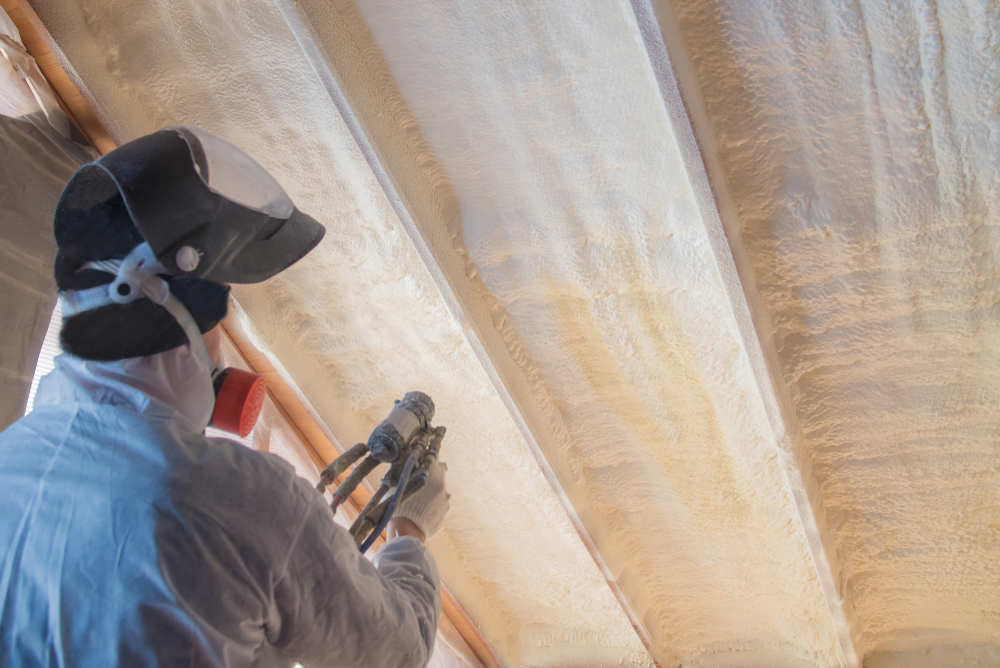
New construction insulation is installed while a building is still being framed, before drywall and ceilings close off the walls and attic. Building it into the structure at this stage seals air gaps, controls indoor temperature, and lowers energy costs for the life of the property. At Georgia Insulation in Calhoun, GA, we install insulation for homeowners and business owners across Gordon County and the surrounding areas.

The best time to insulate a new home or commercial building is before the walls are closed, because access is open, installation is more thorough, and the cost is lower than retrofitting later. Waiting until after construction means cutting into finished surfaces or settling for less coverage in hard-to-reach spaces.

On this page, we explain where spray foam and other insulation types fit in different parts of a home or commercial building, what benefits you can expect, and what can go wrong without proper insulation. We also cover how our process works and answer common questions, so you can plan your project with clear information.

Spray Foam Applications for New Homes

In a new home, spray foam can be applied to the roofline, the exterior walls and band joists, and the floors over crawl spaces. Each location has different moisture, airflow, and code considerations that affect which foam type and thickness we recommend.

🏠

Attics and Roof Assemblies

Insulating the underside of the roof deck turns the attic into a conditioned or semi-conditioned space. This keeps HVAC equipment and ductwork inside the thermal envelope, which matters in Georgia, where summer attic temperatures can climb well above 120°F.

We typically use closed-cell foam on roof decks for its higher R-value per inch (roughly R-6 to R-7) and its resistance to moisture. Open-cell foam is another option where budget or sound control is a priority, at about R-3.5 per inch.

Key points we review with you before installation:

  • Required R-value under the Georgia energy code for your climate zone
  • Whether the roof assembly is vented or unvented
  • Roofing material and manufacturer warranty requirements
  • Placement of recessed lights, vents, and chimney clearances
Get a Free Quote
🧱

Exterior Walls and Rim Joists

Spray foam in wall cavities fills gaps around wiring, plumbing, and framing, which batt insulation often leaves open. This reduces air leakage and helps keep indoor humidity steadier.

We apply foam before drywall goes up, once framing, electrical, and plumbing rough-ins are complete. Closed-cell foam at about 2 inches can meet vapor control needs and add stiffness to the wall, while open-cell foam can fill a full 2x4 or 2x6 cavity.

Rim joists, the band of framing where floors meet exterior walls, are among the leakiest spots in a house. We seal and insulate them with foam so air cannot move through the joint between the foundation and the floor system.

Get a Free Quote
🏗️

Crawl Spaces and Floors Above Unconditioned Areas

Many Georgia homes sit over crawl spaces, where damp air and cold floors are common complaints. We can insulate the crawl space walls, which creates a sealed, conditioned space, or the underside of the subfloor.

Closed-cell foam is the usual choice here because it does not absorb water and works as a vapor retarder. Floors above garages and porches benefit from the same approach, since these areas often leave floors noticeably colder than the rest of the home.

We pair foam with a ground vapor barrier when we encapsulate a crawl space. This combination limits moisture from the soil and helps protect floor framing over time.

Get a Free Quote

Insulation Planning for Commercial Buildings

Commercial insulation decisions start with the building type, the roof and wall assembly, and the moisture conditions inside and out. Getting these choices settled before close-in saves cost and avoids rework once finishes are installed.

Office and Retail Building Envelopes

Offices and retail spaces have large glass areas, parapet walls, and long roof spans, so the thermal envelope has to be continuous to work. We plan insulation and air barriers together before drywall and exterior cladding go up.

Key areas we review on these projects:

  • Exterior walls: Continuous insulation over studs or block reduces thermal bridging through framing.
  • Roof decks: Insulation thickness is set to meet the R-value required by the energy code adopted for your project.
  • Rim joists and slab edges: These are common air leakage points that are easy to miss.
  • Penetrations: Ducts, conduit, and plumbing chases need sealing before they are concealed.

Georgia’s hot-humid climate also means we pay attention to vapor control. Warm, moist outdoor air meeting a cooled interior surface can cause condensation inside wall assemblies.

Warehouses and Metal Building Assemblies

Metal buildings conduct heat quickly and often form condensation on the underside of roof and wall panels. Planning has to address both temperature control and moisture.

Common approaches include:

  • Fiberglass batts with a facing: A lower upfront cost, but seams and compression can reduce performance.
  • Reflective insulation: Reduces radiant heat gain from the roof, which is useful in summer.
  • Spray foam applied to the underside of panels: Bonds to the metal, seals seams, and limits condensation.

Warehouses with loading docks, tall ceilings, and frequent door openings lose conditioned air differently than offices do. We look at how the space is used, whether it is heated or cooled, and how much humidity the operation creates. A cold storage area, for example, needs a different assembly than dry storage.

Open-Cell Versus Closed-Cell Spray Foam Selection

Both foam types seal air leaks, but they perform differently in a commercial setting.

Feature

Open-Cell

Closed-Cell

Approximate R-value per inch

3.5 to 3.8

6.0 to 7.0

Moisture resistance

Vapor permeable

Resists vapor and bulk water

Sound absorption

Stronger

Moderate

Added structural rigidity

None

Yes, adds some racking strength

Relative cost

Lower

Higher

We typically recommend closed-cell foam for roof decks, metal panels, and exterior walls where moisture control and limited thickness matter. Open-cell foam suits interior partitions and ceilings where sound control is a priority. We confirm the choice against your plans, local code, and budget before work begins.

Benefits of Insulating Before Construction Is Complete

Insulation installed while the framing is open gives us full access to every cavity, corner, and joint. That access leads to steadier indoor temperatures, tighter building envelopes, and quieter, longer-lasting structures.

Improved Energy Efficiency and Temperature Control

When wall studs, rim joists, and roof decks are exposed, we can fill each cavity completely. Insulation installed after drywall often leaves gaps around wiring, pipes, and blocking. Those gaps become weak points where heat escapes in winter and enters in summer.

In Georgia’s climate, cooling loads are heavy from late spring through early fall. A properly insulated envelope reduces how often your HVAC system cycles on, which can lower utility bills over time. It also allows your builder to size heating and cooling equipment more accurately, which can reduce equipment costs.

Areas where early insulation makes the biggest difference:

  • Exterior walls and rim joists
  • Attic floors or roof decks
  • Crawl space walls and floors
  • Garage walls shared with living space

Rooms also feel more consistent. Upstairs bedrooms and rooms over garages are less likely to run hotter or colder than the rest of the building.

Air leaks are often a larger source of energy loss than the insulation’s R-value alone suggests. Open framing lets us seal around window and door openings, top plates, electrical boxes, and plumbing penetrations before they are covered.

Spray foam is well suited to this work because it expands to fill irregular spaces and bonds to the surrounding surfaces. Closed-cell foam also acts as a vapor retarder, which limits how much humid air reaches cooler surfaces inside the wall.

Moisture control matters in Georgia, where humidity is high for much of the year. Warm, moist air that reaches a cool surface can condense, and repeated condensation can lead to mold, wood decay, and damaged finishes.

Sealing the envelope during construction also makes it easier to pass blower door testing and meet energy code requirements the first time.

Insulation also reduces how much sound passes through walls, floors, and ceilings. Placing it in interior walls around bedrooms, bathrooms, offices, and mechanical rooms limits noise between spaces. In commercial buildings, it can help separate tenant suites, conference rooms, and work areas.

Installing insulation before finishes go up protects it from later damage. Once drywall, ceilings, and flooring are in place, correcting missing or compressed insulation usually means opening finished surfaces.

Early installation also helps the building hold up over time. A continuous, well-sealed layer limits temperature swings in structural materials and reduces the moisture exposure that shortens the life of framing, sheathing, and finishes.

For owners, that means fewer repairs tied to insulation problems and a building that performs closer to its design from the first day of occupancy.

Risks of Skipping or Undersizing Insulation

When a new building has too little insulation, or none in key areas, the problems show up quickly in utility bills, room comfort, and the condition of the structure. In Calhoun and the surrounding area, long humid summers and cold winter nights put steady stress on an under-insulated building.

Higher Heating and Cooling Costs

Insulation slows heat transfer through walls, attics, and floors. When the R-value is too low for the climate, your HVAC system runs longer to hold the temperature you set. North Georgia sits in a climate zone where attics generally need a higher R-value than walls, so cutting back in the roof assembly is especially costly.

Gaps and thin spots add to the problem. Even a small uninsulated section can let in more heat than the surrounding wall, so the whole assembly performs below its rated value.

Undersized insulation can also lead to an oversized or overworked HVAC system:

  • Longer run times raise monthly energy bills.
  • Frequent cycling increases wear on compressors and blowers.
  • Equipment may need replacement sooner than expected.

We often see these costs repeat every month for the life of the building, while the savings from skimping on insulation are a one-time amount.

Drafts, Hot Spots, and Cold Rooms

Missing or thin insulation creates uneven temperatures from room to room. Rooms over garages, bonus rooms under the roofline, and rooms on exterior corners are common problem areas. One space may feel comfortable while the next stays several degrees warmer or colder.

Air leaks make this worse. Unsealed gaps around outlets, top plates, rim joists, and plumbing penetrations let outside air move through the building envelope. You feel this as drafts near baseboards and ceilings.

For business owners, uneven temperatures affect more than comfort:

  • Employees and customers notice hot or cold zones.
  • Thermostat adjustments fail to fix the problem for the whole space.
  • Storage areas may fall outside the temperature range needed for inventory.

Closed-cell and open-cell spray foam both help here because they seal air leaks while adding R-value.

Condensation Concerns and Costly Future Retrofits

When warm, humid air reaches a cool surface inside a wall or roof assembly, moisture can condense. Over time, this can lead to damp insulation, mold growth, and wood rot. Georgia’s high humidity makes this a real concern, particularly where air sealing is incomplete.

Retrofitting is also harder than doing it right the first time. After drywall, flooring, and finishes are installed, reaching wall cavities means opening them up or using blown-in methods that may not fill every space. Labor and repair costs often exceed what proper insulation would have cost during construction.

Skipping insulation can also create problems at inspection. Local energy code sets minimum R-values, and a building that falls short may need corrections before it can pass.

Why Choose Georgia Insulation

New construction insulation works best when the installer knows the local climate, plans around your project type, and works well with the people already on site. We bring those three things to every build we take on.

Local Service in Calhoun, GA, and Surrounding Areas

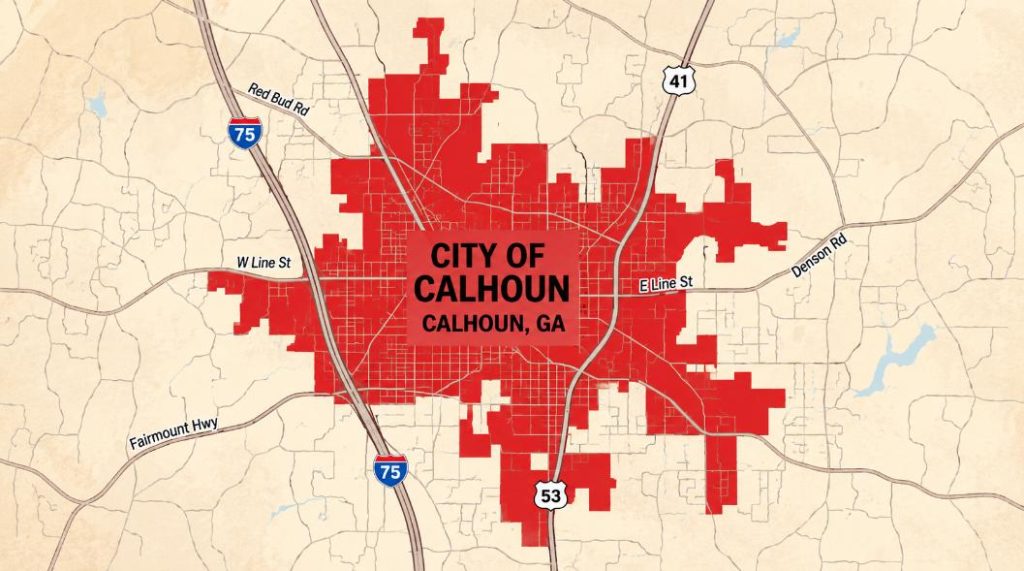
We serve Calhoun and over 40 Georgia counties, providing insulation solutions suited to North Georgia's climate and building codes. Our local crews offer flexible scheduling and coordinate installations around construction milestones and inspection requirements to keep projects on track.

Project Planning for Homeowners and Business Owners

We review your building plans and recommend suitable insulation for walls, attics, roofs, and crawl spaces. We offer spray foam, batt, and blown-in insulation, with written estimates outlining materials, R-values, and coverage areas to meet your comfort, energy efficiency, and moisture control goals.

Coordination With Builders and Other Trades

Insulation touches the work of several trades, so timing matters. We coordinate with general contractors, framers, electricians, plumbers, and HVAC installers to make sure our work starts when the cavities are ready. Gaps around wiring, pipes, and ductwork can reduce performance, so we confirm that rough-ins are complete before we begin. Once insulation is in, we help the builder keep drywall on schedule. We also communicate directly with the site supervisor about start dates, access needs, and any changes to the plan. If a design change affects the insulation scope, we update the estimate and share it with you and your builder right away.

From Project Consultation to Installation

Our process starts with a review of your plans and ends with a walkthrough of the finished work. Each step has a defined purpose, from confirming what the building needs to making sure the space is safe to enter again.

01 Review Building Plans and Request an Estimate

We begin by looking at your blueprints or framing plans. We check wall depths, ceiling types, attic and crawl space layouts, and any areas where spray foam, blown-in, or batt insulation could apply.

To prepare an accurate estimate, we need a few details from you:

  • Building type (home, shop, office, warehouse) and total square footage
  • Wall framing size, such as 2×4 or 2×6
  • Roof design and whether the attic is vented or unvented
  • Your construction schedule and the stage the framing inspection has reached

If you are building in Calhoun or a nearby county, we can also visit the site once framing is complete. Seeing the open walls lets us measure accurately and note obstacles such as plumbing runs or wiring.

You then receive a written estimate listing the materials, areas covered, and timeline.

Before any work is scheduled, we confirm which products go in which areas. Georgia follows climate-zone requirements for insulation, and Calhoun falls in a zone where R-values for attics, walls, and floors are set by the state energy code.

Here is a typical way we match material to location:

Area

Common Options

What We Confirm

Exterior walls

Open-cell or closed-cell spray foam, batts

Stud depth and target R-value

Attic or roofline

Blown-in, spray foam

Vented or unvented design

Crawl space

Closed-cell spray foam, rigid board

Moisture conditions

Commercial metal buildings

Closed-cell spray foam

Panel type and coverage area

We also check that your selections meet code and any requirements from your builder, lender, or local inspector. Changes are easier to make at this stage than after installation begins.

We schedule installation after framing, rough-in plumbing, electrical, and HVAC inspections are complete. Installing at this point means the cavities are open and we can reach every corner.

Before we start, we cover windows, floors, and any finished surfaces. Crews wear protective gear, and we ask that other trades stay out of the work area while spraying or blowing is underway.

During installation, we:

  1. Seal gaps around penetrations, rim joists, and top plates
  2. Apply or install the chosen insulation to the specified thickness
  3. Trim excess material from spray foam so drywall can sit flat
  4. Remove packaging and debris from the work area

Most single-family homes take one to three days, depending on size and the insulation types used. Larger commercial projects take longer, and we give you a schedule in advance.

When installation is finished, we inspect the work for gaps, uneven depth, and missed areas. We also measure thickness in several spots and compare it against the agreed R-value.

If you chose spray foam, ventilation matters after application. We recommend keeping the area ventilated and limiting access during the cure period set by the product manufacturer. Reentry times vary by product, so we give you the specific guidance for the foam used on your project.

Other trades, such as drywall crews, should wait until we confirm the area is clear to enter.

You are welcome to walk through the building with us and ask questions. If your local building department requires an insulation inspection before drywall, we coordinate with you so the work stays on schedule.

Serving Calhoun, GA and surrounding areas

We provide professional new construction insulation services in Calhoun, GA, and surrounding communities. Our team works with builders and contractors to deliver tailored insulation solutions that meet local building codes, improve energy efficiency, and keep construction projects on schedule.

Testimonials

Posted on Google Google
Cara Tiesler profile picture
Cara Tiesler
Google star 1Google star 2Google star 3Google star 4Google star 5Trustindex verifies that the original source of the review is Google.
Georgia Insulation saved the day and our house! Breanna promptly answered my call, which was at the end of the work day, and listened to me freak out about being down to the wire and in need of insulation. She jumped right on the request and worked diligently with Jason to get me on the schedule asap. We cannot thank them enough for saving us! The installers were kind, professional and early… who is early these days?! We were very impressed by Breanna, Jason, and the rest of the team at Georgia Insulation. Don’t hesitate to work with this company, they actually care about their clients and don’t over promise (unlike the company that blew us off a day before they were scheduled to Install because they over promised and under delivered). So again, if you need a super reliable and professional insulation company, reach out to Breanna at Georgia Insulation, and she will get you taken care of! Thanks again for helping us!!
Posted on Google Google
Mary Jane profile picture
Mary Jane
Google star 1Google star 2Google star 3Google star 4Google star 5Trustindex verifies that the original source of the review is Google.
Fast friendly service
Posted on Google Google
jeff schmitt profile picture
jeff schmitt
Google star 1Google star 2Google star 3Google star 4Google star 5Trustindex verifies that the original source of the review is Google.
I can say enough great things about the people and my experience with Georgia Insulation. Terra came out and gave a thorough evaluation and quote for open cell foam insulation for our home. The quote was reasonable, and for the amount of work to be done, I thought it was a great deal. Edwin and his crew were awesome and entertaining. They removed all of the existing insulation in the attic and completely covered the underside of the roof with open cell foam. I’ve waited about 2 months to write this review, as I wanted to share energy savings. Last month bill was $106 less than the previous year, same month. The part about that blew me away, was last years June was a very mild June and this June has been quite hot. That being said, I feel very confident I will see a return on my investment. I highly recommend Georgia Insulation and Terra Schaefer and team.
Posted on Google Google
Allene Hoff profile picture
Allene Hoff
Google star 1Google star 2Google star 3Google star 4Google star 5Trustindex verifies that the original source of the review is Google.
The consultant was very good. He explained and answered all my questions concerning my problem. They were very prompt in coming out and the two young men, Edward and Ulises were very friendly and very professional. They took care not to get anything on my floors. They also cleaned up after the job was done. I would certainly recommend this company.
Posted on Google Google
Frank Armatti profile picture
Frank Armatti
Google star 1Google star 2Google star 3Google star 4Google star 5Trustindex verifies that the original source of the review is Google.
Ga insulation came to my home and insulated with close cell foam underneath my floor. Techs needed a second access to get to 2 bedrooms which I was not able to provide while they were here . The room temperatures were at 73 where they had sprayed and where they didn’t was at 59! I am excited that they are returning to finish now that I have the access they needed . The workers were excellent and very professional.This made such a difference in my heating now that the heat shuts off when needed to! Georgia Insulation is a top notch company providing a great service for a very fair price! My best decision ever!
Posted on Google Google
Will Brown profile picture
Will Brown
Google star 1Google star 2Google star 3Google star 4Google star 5Trustindex verifies that the original source of the review is Google.
Posted on Google Google
Chris Jones profile picture
Chris Jones
Google star 1Google star 2Google star 3Google star 4Google star 5Trustindex verifies that the original source of the review is Google.
Great service, fast, and good communication.
Posted on Google Google
Luke Thomas profile picture
Luke Thomas
Google star 1Google star 2Google star 3Google star 4Google star 5Trustindex verifies that the original source of the review is Google.
Great job. On time. Left place nice & clean. This is second job. I will definitely use them on the next one. Thanks All
Posted on Google Google
JC Ammons profile picture
JC Ammons
Google star 1Google star 2Google star 3Google star 4Google star 5Trustindex verifies that the original source of the review is Google.
Did an excellent job insulating our new construction. Good communication and clean work.
Posted on Google Google
James Morris profile picture
James Morris
Google star 1Google star 2Google star 3Google star 4Google star 5Trustindex verifies that the original source of the review is Google.
Georgia Insulation do excellent work and are a great bunch of people to work with. I highly recommend them and will use them again.

Request a Project Estimate

We provide estimates for new construction insulation projects at any stage of planning. Contact us with your building plans, square footage, and project timeline, and we’ll schedule a site visit or review your blueprints remotely.

Frequently Asked Questions

Insulation choices for a new build in Calhoun depend on the climate, the building type, and where air leaks are most likely to occur. Timing, installation areas, energy savings, and contractor selection all affect how well the system performs once the building is occupied.

What insulation is best for new construction in Calhoun, GA?

Spray foam is a strong option for new construction in Calhoun because it insulates and seals air gaps in a single application. Closed-cell foam adds structural rigidity and resists moisture, which suits crawl spaces and exterior walls. Open-cell foam works well in attics and interior wall cavities where moisture exposure is lower.

Fiberglass batts and blown-in insulation are also used, often when budget limits the scope of the project. We assess the building plans, the roof design, and your energy goals before recommending a material.

Spray foam can be applied in exterior walls, attic roof decks, attic floors, crawl space walls, rim joists, and garage ceilings. In commercial buildings, it is also used on metal roof decks, steel stud walls, and warehouse or retail shell structures.

Each area calls for a specific foam type and thickness. For example, a roof deck often uses open-cell or closed-cell foam to create a conditioned attic, while a crawl space generally calls for closed-cell foam.

Insulation slows heat transfer through walls, ceilings, and floors, so your heating and cooling system runs less often to hold a set temperature. Spray foam also seals small gaps around framing, wiring, and plumbing penetrations that let conditioned air escape.

Lower air leakage can allow for a smaller, less costly HVAC system. The result is more even temperatures from room to room and lower monthly utility bills.

Gaps, compressed batts, and missing sections create cold or hot spots and drive up energy use. Air leaks can carry moisture into wall cavities, which raises the risk of mold, wood rot, and damage to finishes.

Poor insulation can also make HVAC equipment work harder and wear out sooner. Fixing these problems after the walls are closed is more expensive and disruptive than installing insulation correctly the first time.

Insulation goes in after framing, roofing, windows, and rough-in work for electrical, plumbing, and HVAC are finished, and before drywall is hung. At that stage, the wall cavities are open and every surface is reachable.

An inspection usually happens before drywall as well. We coordinate with your builder or general contractor so our work fits the schedule and does not delay the next phase.

We are based in Calhoun, GA, and we serve the surrounding areas, so we are familiar with local building conditions and code expectations. We work with homeowners, builders, and business owners on residential and commercial projects.

We provide clear estimates, recommend materials based on your building rather than a one-size approach, and complete installation on a schedule that fits your construction timeline.