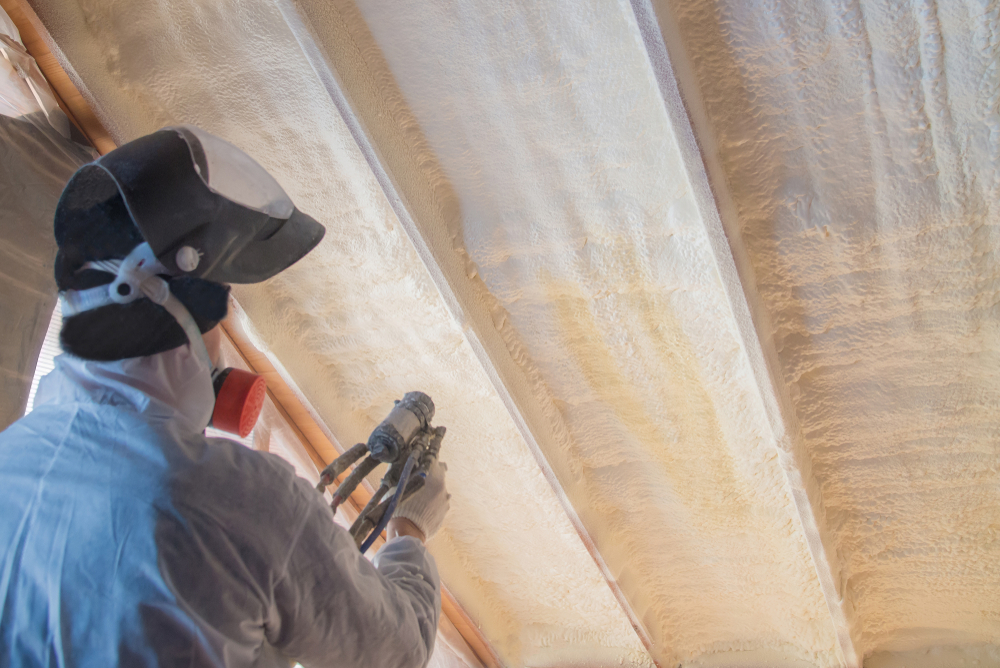
Building a new home or commercial property in Alpharetta means making decisions about insulation before walls ever go up. New construction insulation is installed while framing is exposed, allowing us to seal every gap and fill cavities completely before drywall or siding closes the space off for good. This stage matters because insulation added later cannot reach the same coverage.
Georgia Insulation works directly with builders, contractors, and property owners across Alpharetta and the surrounding area to get insulation right from the start. Skipping this step or using the wrong materials leads to higher energy bills, uneven temperatures, and moisture problems that are expensive to fix once construction is finished.
We handle spray foam and insulation installation for homes and commercial buildings alike, matching the right product to each part of the structure. Our goal is to help you avoid the common issues that come with rushed or incomplete insulation work during the build phase.
Spray foam works differently depending on where it’s installed and what type of structure it protects. We apply it to attics, walls, crawl spaces, and roof decks in homes, and to walls, roofs, and specialty areas in commercial buildings.
We install spray foam in several key areas of a new home during construction. Each application helps create a more complete thermal and air-sealed building envelope.
Open-cell foam works well for interior walls where sound dampening is important. Closed-cell foam is better suited for areas exposed to moisture, such as crawl spaces and rim joists, because it resists water absorption.
GET A FREE QUOTECommercial projects require the same air-sealing principles as residential construction, but on a larger scale and often with different structural elements.
We apply spray foam to metal buildings, warehouses, and multi-unit structures where large surface areas need consistent coverage.
Roof decks and steel wall panels benefit from closed-cell foam, which provides a durable insulation layer while helping resist moisture intrusion and adding structural rigidity.
For commercial spaces with mixed-use zones, we can adjust the foam type based on the needs of each area. Office sections may use open-cell foam for interior partitions, while warehouse walls and roofing can use closed-cell foam for durability and moisture control.
GET A FREE QUOTEEvery building has different insulation requirements depending on how each space is used. We evaluate the structure, moisture exposure, and temperature needs before selecting the appropriate spray foam system.
Matching the insulation system to each building zone helps create a more effective building envelope without using the same approach everywhere.
GET A FREE QUOTESpray foam insulation continues to perform for decades after installation, unlike materials that settle or lose effectiveness over time. Homes and buildings in Alpharetta benefit from stable performance that supports lower costs, steady comfort, and better moisture management year after year.
Spray foam creates an air seal that reduces the amount of conditioned air escaping through walls, attics, and crawl spaces. This means your HVAC system works less to maintain a set temperature.
We typically see clients reduce heating and cooling costs once spray foam replaces or supplements traditional insulation. The seal doesn’t degrade the way fiberglass batts can over time.
For new construction, this translates into predictable long-term savings built into the structure from day one. Georgia’s hot summers and mild winters make this efficiency especially valuable for controlling energy bills throughout the year.
Temperature fluctuations between rooms often point to gaps in insulation coverage. Spray foam fills cavities completely, including corners and irregular spaces that other materials miss.
This creates more even temperatures throughout a home or commercial building. Upper floors won’t run noticeably warmer than lower levels, and rooms near exterior walls won’t feel drafty.
We install spray foam in attics, walls, and crawl spaces to address these variations directly. The result is a building that maintains a consistent temperature regardless of the season or which room you’re in.
Spray foam acts as both an insulator and an air barrier, which helps limit moisture infiltration into wall cavities and attics. Uncontrolled moisture can lead to mold growth, wood rot, and structural damage over time.
By sealing gaps and reducing air movement, spray foam limits the pathways moisture uses to enter a building. This is particularly relevant in Georgia’s humid climate, where outside moisture can easily work its way into poorly sealed structures.
We pay close attention to areas prone to moisture accumulation, such as crawl spaces and rim joists. Proper sealing in these areas protects the building’s structural components and supports better indoor air quality.
Skipping or skimping on insulation during new construction creates problems that surface long after the framing is closed up. We see the same patterns repeat: higher bills, uncomfortable rooms, and hidden moisture damage.
Poor insulation forces HVAC systems to work harder to maintain a set temperature. We regularly see energy bills climb by 20-30% in structures with inadequate thermal barriers.
Heat escapes through walls, ceilings, and floors in winter. In summer, that same gap lets outdoor heat in.
This constant battle shortens the lifespan of heating and cooling equipment. Systems that cycle more often wear out faster, leading to earlier repairs or replacement.
Over a building’s life, these added costs total far more than the upfront investment in proper insulation would have cost.
Gaps in insulation coverage create drafts near windows, doors, and outlets. Rooms above garages or near exterior walls often run several degrees colder than the rest of the home.
We commonly find these issues in:
Uneven temperatures make certain rooms unusable during peak summer or winter months. Occupants adjust thermostats to compensate, which only adds to the strain we described above.
Inadequate insulation disrupts a building’s ability to control humidity and condensation. Warm, moist air meets cold surfaces inside walls or attics, and this creates condensation points.
Over time, trapped moisture leads to:
We treat moisture control as a core part of insulation planning, not an afterthought. Addressing air sealing and vapor barriers during construction prevents these issues before they start.
We bring decades of insulation experience directly to new construction projects in Alpharetta, working with builders and property owners to get insulation right the first time. Our approach combines local knowledge with insulation solutions for both residential and commercial properties.
We understand the climate conditions specific to Alpharetta and North Georgia. Our team accounts for the region's humid summers and cooler winters when recommending insulation types and R-values for new builds. We've worked with local builders, contractors, and homeowners throughout the area. This means we know the common construction methods used in Alpharetta and can coordinate insulation installation at the right phase of construction. Our familiarity with local building codes helps us ensure every project meets required standards. We also understand the specific challenges tied to Georgia's soil composition and moisture levels, which affects crawl space and foundation insulation decisions.
We use spray foam, batt, and blown-in insulation products from manufacturers with a track record of performance. Material selection depends on the application, whether it's an attic, wall cavity, or crawl space. Our installation process follows manufacturer specifications and industry best practices. We measure R-values, check for gaps, and confirm proper coverage before considering a job complete. Our quality control includes: Pre-installation site assessment Application according to manufacturer guidelines Post-installation inspection for coverage and gaps Documentation for code compliance

We provide insulation services for a range of property types, including: Single-family homes – walls, attics, and crawl spaces Multi-family developments – townhomes and apartment buildings Commercial buildings – offices, retail spaces, and warehouses Mixed-use properties – combining residential and commercial insulation needs Our team adjusts application methods based on the structure type and size of each project. Commercial buildings often require different spray foam densities and application techniques compared to residential homes. We work directly with general contractors and project managers to schedule insulation work around other construction phases. This coordination helps keep projects on timeline without compromising insulation quality.
New construction insulation involves a defined sequence from initial site assessment through final quality checks. We follow this process on every project in Alpharetta and the surrounding area to make sure insulation performance matches the building’s design and local climate conditions.
Before installation begins, we review the building plans and walk the site with the builder or property owner.
Our assessment includes:
Based on these findings, we recommend a specific insulation type and R-value for each area of the building. We put these recommendations in writing so builders and owners know what to expect before work starts.
Our installation crews apply spray foam according to the plan we set during the site evaluation.
We install:
After application, we conduct a quality review to check foam thickness, coverage, and adhesion. We measure R-values against the original specification and document the results. This step confirms the insulation meets code requirements before the next phase of construction begins.
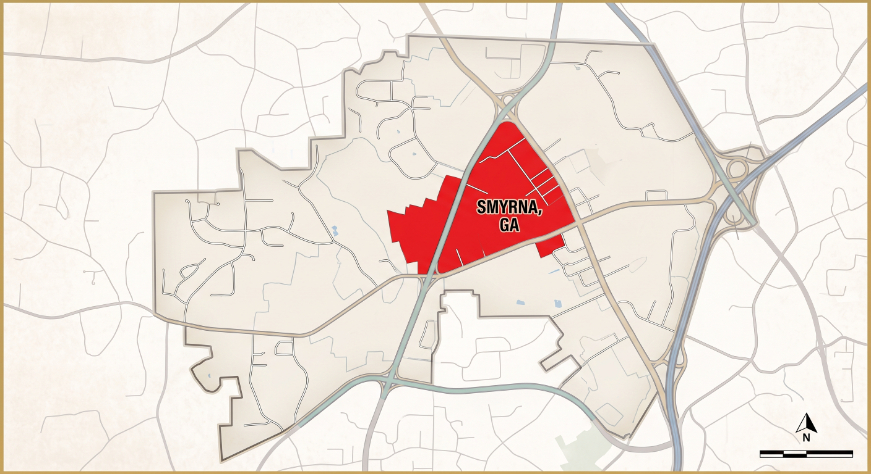
We install spray foam insulation in new construction projects throughout Alpharetta and neighboring communities. Our crews work directly with builders and general contractors to keep insulation on schedule with framing and rough-in inspections.
We provide estimates based on square footage, wall assembly type, and project timeline. To get started, we need your building plans or a site walkthrough scheduled with your project manager.
New construction insulation projects raise practical questions about material choice, code requirements, and timelines. Below, we answer the questions we hear most often from homeowners and business owners in Alpharetta and surrounding areas.
The best choice depends on the area of the home and your budget. Spray foam works well for attics, rim joists, and hard-to-seal cavities because it air-seals and insulates in one step. Fiberglass batts remain a cost-effective option for standard wall cavities.
We evaluate your floor plan and climate exposure before recommending a specific product or combination.
Georgia’s energy code falls under Climate Zone 3, which requires a minimum R-13 for wood-frame walls, or R-20 for cavity insulation alone. We confirm the exact requirement based on your specific jurisdiction, since some counties adopt stricter local amendments.
Attics in our climate zone require a minimum of R-38, though many builders and homeowners opt for R-49 for added performance. Higher attic R-values reduce heat transfer during Georgia’s hot summers and cooler winter months.
Yes, spray foam is commonly installed during the framing stage, before drywall goes up. This timing allows us to fill wall cavities, seal rim joists, and coat roof decking without obstruction from finished surfaces.
A typical single-family home takes one to two days to insulate, depending on square footage and the materials used. Larger homes or commercial spaces with multiple zones may require additional time, which we outline during the estimate process.
Yes, we insulate commercial buildings including offices, warehouses, and retail spaces. Commercial projects often involve larger spray foam applications or rigid board insulation for metal buildings, and we coordinate scheduling with general contractors to fit construction timelines.