
Metal Building Insulation McDonough, GA

Rated 5.0 on Google Reviews
Rated 5 out of 5

Protect Your Building and Improve Energy Efficiency

Metal buildings are durable and versatile, but their metal roofs and walls can transfer heat quickly and allow condensation to develop when temperatures change. Georgia Insulation provides metal building insulation in McDonough, GA, and surrounding areas, helping business owners reduce heat transfer, control moisture, seal air leaks, and maintain more consistent indoor temperatures.

Georgia’s hot, humid summers create particular challenges for metal structures. Direct sunlight heats metal roofing and exterior walls, making interior spaces uncomfortable and increasing the workload on cooling systems. During cooler weather, temperature differences between indoor and outdoor surfaces can contribute to condensation, especially when humid air reaches cold metal panels.

Spray foam insulation offers a practical way to address these issues. It expands against metal surfaces, fills gaps, and creates an insulating layer that helps limit unwanted heat movement and air leakage.

On this page, we explain where spray foam can be installed in metal buildings, the benefits it offers, and what can happen when these structures lack proper insulation. We also cover how we approach installation and answer common questions from business owners.

Choosing the Right Spray Foam for Metal Buildings

Metal buildings have different insulation requirements depending on their construction, intended use, and exposure to moisture. A warehouse may need insulation across large roof and wall surfaces, while a workshop or storage facility may require attention to specific areas where condensation and temperature changes are most noticeable.

We primarily work with two types of spray foam: open-cell and closed-cell. Both provide insulation and air sealing, but their density, moisture resistance, and R-value differ.

🏢

Open-Cell Spray Foam for Suitable Interior Applications

Open-cell spray foam is a lightweight, flexible material that expands significantly during application. It has an R-value of approximately R-3.5 to R-3.8 per inch and works well in areas where filling irregular cavities and reducing air leakage are priorities.

In metal buildings, open-cell foam may be suitable for certain interior wall and roof assemblies when the design allows for its vapor-permeable properties. Its softer structure also helps reduce sound transmission, which can be useful in workshops, offices, and buildings with noisy equipment.

However, open-cell foam can absorb liquid water and allows more water vapor to pass through than closed-cell foam. This makes proper moisture management especially important when considering it for metal structures.

  • Best for: Suitable interior wall cavities, selected roof assemblies, and sound reduction
  • Considerations: Requires an appropriate moisture-control strategy and sufficient installation thickness
Get a Free Quote
🏭

Closed-Cell Spray Foam for Metal Roofs and Walls

Closed-cell spray foam is denser and more rigid than open-cell foam. It generally provides an R-value of approximately R-6 to R-7 per inch, making it useful in metal buildings where insulation space is limited.

Its compact cell structure resists liquid water and acts as a vapor retarder at sufficient thickness. When applied properly to suitable metal surfaces, it also helps reduce air movement and limit condensation caused by warm, humid air reaching cooler surfaces.

We commonly consider closed-cell foam for metal roofs, exterior walls, ceilings, and other areas where moisture resistance and higher insulation value per inch are important.

  • Best for: Metal roof panels, exterior metal walls, ceilings, and areas with limited insulation depth
  • Considerations: Generally costs more per square foot than open-cell foam and requires proper substrate preparation and installation
Get a Free Quote
📊

Comparing Open-Cell and Closed-Cell Foam

Both materials can be used in appropriate building assemblies, but their differences affect performance and suitability.

Factor Open-Cell Foam Closed-Cell Foam
R-value per inch ~R-3.5 to R-3.8 ~R-6 to R-7
Density Lower Higher
Moisture resistance Lower Higher
Sound dampening Good Moderate
Cost per sq. ft. Generally lower Generally higher
Common applications Suitable interior assemblies Metal roofs, walls, and ceilings

The right choice depends on the metal building's design, existing moisture conditions, and insulation goals. We assess these factors before recommending a material so the insulation fits the structure rather than applying the same solution to every project.

Get a Free Quote

Where Spray Foam Can Be Applied in Metal Buildings

Metal structures often have large roof and wall surfaces that are exposed to direct sunlight and outdoor temperature changes. Without sufficient insulation, these surfaces can transfer heat into the building and contribute to condensation.

Spray foam can be applied to several parts of a metal building to create a more consistent thermal and air barrier.

Metal Roofs and Roof Panels

Metal roofs receive direct exposure to sunlight throughout the day. During Georgia’s summer months, the roof surface can become extremely hot, transferring heat into the space below.

We apply spray foam to suitable roof assemblies to reduce heat transfer and seal gaps between building components. Closed-cell foam is often considered for these applications because of its higher R-value per inch and moisture-resistant properties.

Before application, we inspect the roof’s condition and check for leaks, rust, damaged panels, and other issues that need attention.

Important roof areas include:

  • Interior surfaces of metal roof panels
  • Roof seams and panel connections
  • Areas around structural supports
  • Roof penetrations and openings
  • Suitable ceiling and roof assemblies

Spray foam can also be used as part of certain commercial roofing systems, sometimes with a protective coating depending on the assembly and product requirements.

Exterior Metal Walls

Metal walls can transfer outdoor heat into a building during summer and allow indoor heat to escape during colder weather. Gaps between panels and structural connections can also contribute to unwanted air movement.

Applying spray foam to suitable interior wall surfaces helps create a continuous insulating layer and seal openings that allow outside air to enter.

This is particularly useful in metal warehouses, workshops, agricultural buildings, and storage facilities where large exterior wall areas are exposed to changing outdoor conditions.

We evaluate the wall construction, panel condition, and available installation space before selecting the appropriate foam type.

Ceilings and Interior Roof Assemblies

Some metal buildings have exposed roof structures without a separate insulated ceiling. Others include suspended ceilings or enclosed interior spaces beneath the roof.

Insulating the appropriate ceiling or roof assembly helps limit the amount of heat transferred into occupied areas.

We assess the building layout to determine whether insulation should be installed directly against the roof panels or within a separate ceiling assembly.

For buildings with offices or conditioned work areas, this can help reduce temperature differences between interior spaces and the surrounding metal structure.

Workshops and Industrial Buildings

Workshops and industrial facilities often contain equipment, tools, and machinery that generate additional heat. When combined with heat entering through poorly insulated metal walls and roofs, these conditions can make indoor temperatures difficult to manage.

Spray foam helps reduce heat transfer through the building envelope and can seal gaps around structural connections and penetrations.

Common applications include:

  • Equipment rooms
  • Manufacturing areas
  • Maintenance workshops
  • Industrial storage spaces
  • Metal-framed work areas

We consider the building’s operations and ventilation requirements before recommending insulation. Spray foam should not block openings or interfere with ventilation systems that are necessary for equipment and occupant safety.

Agricultural and Storage Buildings

Metal agricultural buildings and storage facilities often have different insulation requirements depending on what they house.

Some are used for equipment and supplies, while others store materials that need more stable indoor conditions. Temperature changes and condensation can affect stored items, metal surfaces, and other building components.

Closed-cell spray foam is commonly considered for suitable metal roof and wall applications because it resists liquid water and helps limit air movement.

We evaluate how the building is used, its moisture exposure, and the desired indoor conditions before recommending an insulation approach.

Benefits of Metal Building Insulation

Proper insulation helps business owners manage heat transfer, reduce air leakage, and improve indoor conditions. In metal buildings, these improvements are particularly important because metal surfaces respond quickly to outdoor temperature changes.

Reduced Heat Transfer and Energy Demand

Metal roofing and wall panels can transfer heat quickly. During summer, this allows outdoor heat to enter the building, increasing the workload on air conditioning systems.

Spray foam adds an insulating layer that slows this heat movement. It also expands into gaps and seams, helping reduce air leakage through the building envelope.

With less heat entering the structure, cooling equipment may not need to work as hard to maintain the desired indoor temperature.

The actual energy savings depend on the building’s size, existing insulation, HVAC equipment, operating schedule, and other conditions.

Condensation is one of the most common concerns in metal buildings. It occurs when warm, humid air comes into contact with a cooler surface and releases moisture.

This can happen on metal roofs, wall panels, and other building components, particularly when indoor humidity is high.

Closed-cell spray foam resists liquid water and acts as a vapor retarder at sufficient thickness. When installed as part of a properly designed assembly, it can help reduce the conditions that lead to condensation on metal surfaces.

However, insulation does not replace proper ventilation, humidity control, or repairs to existing leaks. We consider these factors when evaluating a metal building.

Metal buildings can experience significant temperature differences between indoor and outdoor conditions. Areas directly beneath the roof may become especially hot during summer, while poorly insulated walls can contribute to cold spots during winter.

Spray foam helps reduce heat transfer through these surfaces, supporting more consistent indoor temperatures.

This can make a difference in:

  • Warehouses and distribution facilities
  • Commercial workshops
  • Agricultural buildings
  • Industrial work areas
  • Storage facilities
  • Metal offices and retail spaces

A more stable indoor environment can also make the building easier to heat and cool throughout the year.

Metal buildings contain numerous panel connections, fasteners, structural joints, and openings for electrical and mechanical systems. These areas can allow outside air to enter and conditioned air to escape.

Spray foam expands during application and fills many of these gaps, creating an air seal along with the insulation layer.

Reducing air movement helps limit drafts and makes it easier for HVAC equipment to maintain the desired indoor conditions.

Noise can be a concern in metal buildings, especially workshops, warehouses, and facilities with machinery or equipment.

Open-cell spray foam has sound-absorbing properties that can help reduce sound transmission through suitable wall and ceiling assemblies.

Although insulation alone will not eliminate all building noise, selecting the right material and assembly can contribute to a more comfortable indoor environment.

Risks of Leaving Metal Buildings Without Proper Insulation

An uninsulated or poorly insulated metal building is more exposed to outdoor temperature changes. Over time, heat transfer, air leakage, and condensation can affect indoor comfort, operating expenses, and building materials.

Higher Cooling and Heating Costs

Metal surfaces allow heat to move into and out of a building quickly. During hot Georgia summers, an uninsulated metal roof can transfer substantial heat into the space below.

Cooling systems then have to work harder to offset the additional heat. During winter, indoor heat can escape through the roof and walls, increasing heating demand.

Common sources of energy loss include:

  • Uninsulated metal roof panels
  • Exterior walls without adequate insulation
  • Gaps between metal panels
  • Openings around doors and windows
  • Unsealed electrical and mechanical penetrations

When these problems remain unaddressed, businesses may experience higher utility expenses and greater HVAC demand.

Condensation on Metal Surfaces

Metal buildings are particularly vulnerable to condensation because metal surfaces can cool quickly when outdoor temperatures drop.

When humid indoor air reaches these cooler surfaces, moisture can collect on the roof or walls. This may appear as water droplets, damp surfaces, or dripping from the ceiling.

Repeated condensation can contribute to:

  • Corrosion: Persistent moisture can affect metal panels, fasteners, and structural components.
  • Mold and mildew: Damp materials and nearby surfaces may develop conditions that support mold growth.
  • Water damage: Dripping condensation can affect stored materials, equipment, and other property.
  • Unpleasant odors: Ongoing moisture problems can create musty smells inside the building.

Proper insulation, air sealing, humidity management, and ventilation all play a role in controlling these conditions.

Uncomfortable Working Conditions

Employees working inside poorly insulated metal buildings may experience uncomfortable temperatures throughout the day.

During summer, indoor spaces can become excessively hot, particularly beneath metal roofs. During winter, walls and ceilings can contribute to cold conditions and drafts.

These temperature fluctuations can make it harder to maintain a comfortable working environment.

For business owners, improving insulation is one way to make warehouses, workshops, and other metal structures more suitable for daily operations.

Additional Strain on HVAC Equipment

When a building continuously gains heat in summer or loses heat in winter, HVAC systems must compensate for those changes.

This can lead to longer operating cycles and increased equipment demand.

Poor insulation can also make it harder to distribute conditioned air evenly throughout a large metal building.

Addressing insulation gaps and improving the building envelope can help reduce unnecessary heating and cooling demand. Proper HVAC sizing and ventilation remain important parts of the overall system.

Why Choose Georgia Insulation for Metal Building Insulation?

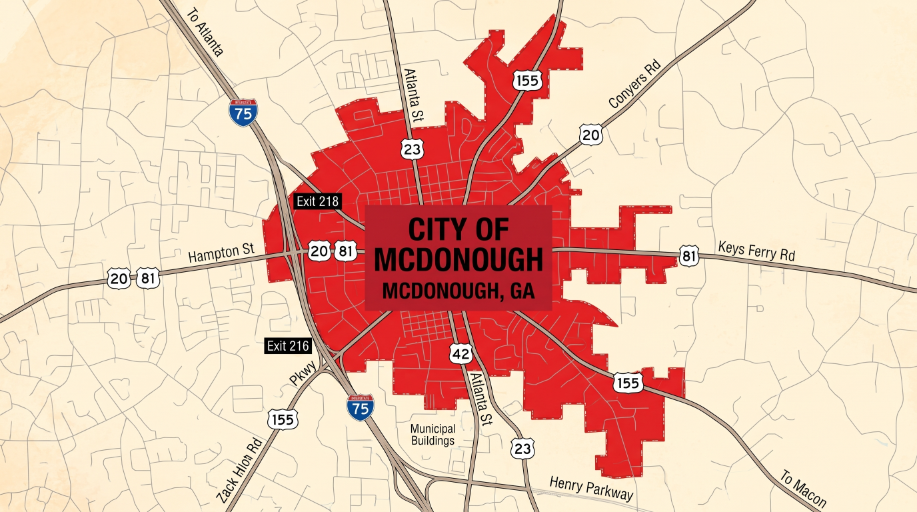
We provide insulation services from our location in McDonough, GA, serving surrounding communities and businesses throughout the region. Our approach focuses on understanding the building’s construction, identifying insulation concerns, and recommending materials suited to its conditions.

Local Service in McDonough and Surrounding Areas

Based in McDonough, Georgia Insulation serves nearby businesses with solutions designed for Georgia's hot, humid climate. We assess metal buildings for heat buildup and condensation concerns to identify areas needing insulation and recommend suitable options for each property.

Recommendations Based on Building Conditions

We assess each metal building's construction, existing insulation, moisture concerns, occupancy, and temperature needs before recommending a solution. This helps determine whether open-cell or closed-cell spray foam is suitable for the roof, walls, or specific areas.

Clear Estimates and Project Planning

We plan insulation projects around your building's needs and business schedule. Our team provides clear recommendations, a written estimate, and details about preparation, installation timing, and curing precautions so you know what to expect before work begins.

Our Metal Building Insulation Process

Every metal building insulation project begins with an assessment of the structure and its current condition. We follow a process that helps us identify problem areas, select suitable materials, and complete the installation according to the planned scope.

01 Inspect the Metal Building

We begin by examining the roof, walls, ceiling assemblies, and other areas you want insulated.

During the assessment, we look for signs of air leakage, condensation, rust, water intrusion, and existing insulation problems.

We also consider how the building is used, whether it is occupied during the day, and what equipment or materials are stored inside.

Any active roof leaks or moisture problems need to be addressed before insulation is installed.

After the inspection, we explain which areas would benefit from insulation and which spray foam type may be suitable.

Closed-cell foam is often considered for metal roofs and walls because of its higher R-value per inch and moisture resistance. Open-cell foam may be suitable for selected interior assemblies where its vapor-permeable properties are appropriate.

Your written estimate outlines:

Estimate Item

What It Covers

Areas to be insulated

Metal roof, walls, ceilings, or other surfaces

Foam type

Open-cell or closed-cell

Installation thickness

Planned insulation depth

Materials and labor

Costs associated with the work

Project schedule

Estimated start date and duration

We review the estimate with you and answer questions about the proposed materials, pricing, and installation requirements before scheduling the project.

Once you approve the estimate, we coordinate the installation schedule.

Before application, the metal surfaces must be suitable for insulation. This includes checking for moisture, loose materials, rust, and other conditions that could affect adhesion.

We also prepare the work area by protecting nearby equipment, materials, and surfaces.

Our installers wear appropriate protective equipment and apply the foam in controlled layers according to the product requirements. We build up the insulation to the planned thickness and pay attention to coverage around seams, joints, and other areas included in the project.

The installation timeline depends on the building’s size, accessibility, surface condition, and amount of insulation required.

After application, we inspect the insulated surfaces to check coverage, thickness, and consistency.

We look for missed areas, thin spots, and gaps around the surfaces included in the project scope. Any necessary corrections are completed before we finish the work.

We then clean the area and remove installation equipment and protective materials.

Spray foam needs time to cure and ventilate before people and pets can return to the treated area. We follow the manufacturer’s instructions for the specific product and provide the applicable reentry guidance.

Serving McDonough, GA and Surrounding Areas

We provide metal building insulation services in McDonough, GA, and surrounding areas, helping businesses improve energy efficiency, control indoor temperatures, and reduce moisture-related issues. From warehouses and agricultural buildings to commercial and industrial facilities, we tailor insulation solutions to your building’s needs and Georgia’s climate.

Testimonials

Posted on Google Google
Cara Tiesler profile picture
Cara Tiesler
Google star 1Google star 2Google star 3Google star 4Google star 5Trustindex verifies that the original source of the review is Google.
Georgia Insulation saved the day and our house! Breanna promptly answered my call, which was at the end of the work day, and listened to me freak out about being down to the wire and in need of insulation. She jumped right on the request and worked diligently with Jason to get me on the schedule asap. We cannot thank them enough for saving us! The installers were kind, professional and early… who is early these days?! We were very impressed by Breanna, Jason, and the rest of the team at Georgia Insulation. Don’t hesitate to work with this company, they actually care about their clients and don’t over promise (unlike the company that blew us off a day before they were scheduled to Install because they over promised and under delivered). So again, if you need a super reliable and professional insulation company, reach out to Breanna at Georgia Insulation, and she will get you taken care of! Thanks again for helping us!!
Posted on Google Google
Mary Jane profile picture
Mary Jane
Google star 1Google star 2Google star 3Google star 4Google star 5Trustindex verifies that the original source of the review is Google.
Fast friendly service
Posted on Google Google
jeff schmitt profile picture
jeff schmitt
Google star 1Google star 2Google star 3Google star 4Google star 5Trustindex verifies that the original source of the review is Google.
I can say enough great things about the people and my experience with Georgia Insulation. Terra came out and gave a thorough evaluation and quote for open cell foam insulation for our home. The quote was reasonable, and for the amount of work to be done, I thought it was a great deal. Edwin and his crew were awesome and entertaining. They removed all of the existing insulation in the attic and completely covered the underside of the roof with open cell foam. I’ve waited about 2 months to write this review, as I wanted to share energy savings. Last month bill was $106 less than the previous year, same month. The part about that blew me away, was last years June was a very mild June and this June has been quite hot. That being said, I feel very confident I will see a return on my investment. I highly recommend Georgia Insulation and Terra Schaefer and team.
Posted on Google Google
Allene Hoff profile picture
Allene Hoff
Google star 1Google star 2Google star 3Google star 4Google star 5Trustindex verifies that the original source of the review is Google.
The consultant was very good. He explained and answered all my questions concerning my problem. They were very prompt in coming out and the two young men, Edward and Ulises were very friendly and very professional. They took care not to get anything on my floors. They also cleaned up after the job was done. I would certainly recommend this company.
Posted on Google Google
Frank Armatti profile picture
Frank Armatti
Google star 1Google star 2Google star 3Google star 4Google star 5Trustindex verifies that the original source of the review is Google.
Ga insulation came to my home and insulated with close cell foam underneath my floor. Techs needed a second access to get to 2 bedrooms which I was not able to provide while they were here . The room temperatures were at 73 where they had sprayed and where they didn’t was at 59! I am excited that they are returning to finish now that I have the access they needed . The workers were excellent and very professional.This made such a difference in my heating now that the heat shuts off when needed to! Georgia Insulation is a top notch company providing a great service for a very fair price! My best decision ever!
Posted on Google Google
Will Brown profile picture
Will Brown
Google star 1Google star 2Google star 3Google star 4Google star 5Trustindex verifies that the original source of the review is Google.
Posted on Google Google
Chris Jones profile picture
Chris Jones
Google star 1Google star 2Google star 3Google star 4Google star 5Trustindex verifies that the original source of the review is Google.
Great service, fast, and good communication.
Posted on Google Google
Luke Thomas profile picture
Luke Thomas
Google star 1Google star 2Google star 3Google star 4Google star 5Trustindex verifies that the original source of the review is Google.
Great job. On time. Left place nice & clean. This is second job. I will definitely use them on the next one. Thanks All
Posted on Google Google
JC Ammons profile picture
JC Ammons
Google star 1Google star 2Google star 3Google star 4Google star 5Trustindex verifies that the original source of the review is Google.
Did an excellent job insulating our new construction. Good communication and clean work.
Posted on Google Google
James Morris profile picture
James Morris
Google star 1Google star 2Google star 3Google star 4Google star 5Trustindex verifies that the original source of the review is Google.
Georgia Insulation do excellent work and are a great bunch of people to work with. I highly recommend them and will use them again.

Request A Project Consultation

We schedule consultations promptly and work around your business hours to minimize disruption to daily operations.

Frequently Asked Questions

Metal building insulation requirements depend on the structure, insulation material, and intended use. Here are some common questions business owners ask before starting an insulation project.

How much does metal building insulation cost?

The cost depends on the building’s square footage, foam type, installation thickness, and accessibility. Closed-cell foam generally costs more per square foot than open-cell foam.

We provide a written estimate after assessing the building and determining the areas that need insulation.

Closed-cell spray foam is commonly used because it provides a higher R-value per inch and resists liquid water. It is often suitable for metal roofs and exterior walls where moisture control is important.

The right option depends on the building’s design and conditions.

Spray foam can help reduce condensation by limiting air movement and controlling heat transfer. Closed-cell foam also acts as a vapor retarder at sufficient thickness.

However, proper ventilation, humidity control, and repair of existing leaks may also be necessary.

Yes. Many existing metal buildings can be insulated with spray foam.

We inspect the roof panels, walls, and other surfaces first to confirm their condition and determine the appropriate installation approach.

Yes. Insulation slows heat transfer through metal roofs and walls, helping reduce the amount of outdoor heat entering the building.

This can make indoor spaces more comfortable and reduce cooling demand.

The timeline depends on the building’s size, the areas being insulated, and the condition of the metal surfaces.

We discuss the expected schedule after inspecting the property and preparing the project estimate.

Yes. We are based in McDonough, GA, and serve surrounding areas. Contact us with your building’s location, and we can confirm service availability and discuss your metal building insulation needs.