
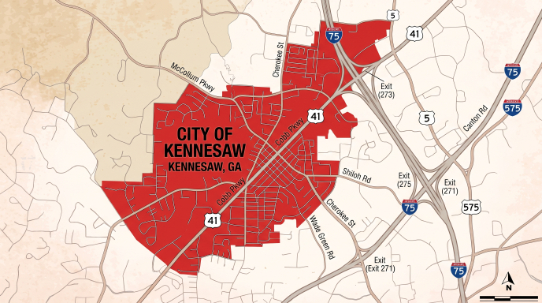
Metal buildings in Kennesaw face temperature swings, condensation, and energy loss without the right insulation system in place. Georgia Insulation installs metal building insulation for warehouses, shops, and commercial properties throughout Kennesaw and the surrounding area, giving business owners a practical solution to control temperature and reduce energy costs.
Uninsulated or poorly insulated metal structures let heat escape in winter and build up in summer, which drives up utility bills and makes work conditions uncomfortable for employees. Moisture buildup inside metal walls and ceilings can also lead to condensation, rust, and material damage over time.
This page covers how insulation works in different parts of a metal building, the benefits of a properly installed system, and what happens when insulation is skipped or installed incorrectly. We also explain our process and answer common questions business owners ask before starting a project.
Metal buildings require different insulation strategies depending on the surface, the assembly, and the climate conditions in Kennesaw and the surrounding area. We evaluate your roof, wall, and ceiling systems separately before recommending a product, since each area handles moisture and temperature differently.
Closed-cell spray foam bonds tightly to metal roof decks and wall panels, creating an effective air seal while adding rigidity to the covered surface.
With a typical R-value of R-6 to R-7 per inch, it is well suited for metal buildings exposed to outdoor conditions.
Open-cell spray foam expands to fill gaps around framing, penetrations, and irregular spaces. Its lower density can make it a more economical option for suitable interior applications.
It also helps reduce sound transmission, which can benefit businesses with equipment noise or regular foot traffic.
We recommend insulation thickness based on your building’s use, construction, energy requirements, and heating and cooling demands—not a one-size-fits-all standard.
Spray foam applies differently depending on the structure, substrate, and exposure to weather. Below, we break down where it performs best across metal buildings and standard residential construction.
Roof decks take the most direct heat and moisture exposure in any metal building. We apply closed-cell spray foam directly to the underside of the roof panels, where it bonds to the steel and seals around fasteners and seams.
This stops condensation from forming on the panel interior, a common cause of rust and ceiling drips in warehouses. On exterior walls, foam fills the cavities between steel girts and panels, cutting down on air infiltration that drives up heating and cooling costs.
Area | Foam Type | Primary Benefit |
Roof deck | Closed-cell | Moisture and condensation control |
Wall panels | Closed-cell or open-cell | Air sealing, thermal performance |
Fastener penetrations | Closed-cell | Seals gaps, reduces leak points |
We size the foam thickness to match your building’s climate zone and intended use.
Workshops and storage areas often deal with temperature swings that affect equipment, inventory, and worker comfort. We insulate interior partition walls and ceilings in these spaces to create separation between conditioned and unconditioned zones.
Office interiors built inside metal buildings benefit from spray foam in a different way. Sound transmission between offices and the adjacent warehouse floor drops noticeably once we seal the wall cavities.
We also address areas around HVAC ductwork and electrical penetrations, since these are common weak points for air leakage. For storage facilities holding temperature-sensitive goods, consistent interior conditions reduce spoilage and product damage risk.
Homes near Kennesaw benefit from the same foam technology used in commercial buildings, scaled to residential framing. In attics, we apply spray foam to the roof deck or along the attic floor, depending on whether you want a conditioned or vented attic design.
Garages, especially those attached to living space, often leak air through the shared wall and ceiling. We seal these transitions to stop drafts and temperature transfer into adjacent rooms.
Crawl spaces present moisture challenges distinct from attics. Spray foam applied to crawl space walls, paired with a vapor barrier, addresses humidity and reduces the conditions that lead to wood rot and pest issues underneath the home.
A properly insulated metal building affects more than comfort. It plays a direct role in temperature stability, energy use, and the long-term condition of your structure.
Metal transfers heat quickly, which means uninsulated buildings often swing between extremes. Interiors can feel uncomfortably hot in summer and cold in winter, sometimes within the same day.
We install insulation that slows this heat transfer and helps maintain a steadier indoor climate. This matters for warehouses storing temperature-sensitive goods, offices with employees on-site, and retail spaces open to customers.
A stable temperature also reduces strain on your HVAC equipment, since it isn’t working to offset constant heat gain or loss through the metal shell.
Gaps, seams, and panel joints in metal buildings allow conditioned air to escape. This forces HVAC systems to run longer and more often to maintain set temperatures.
We address these leakage points with insulation materials designed to create a tighter building envelope. Spray foam, in particular, expands to fill small gaps that rigid insulation or batts may miss.
Benefits of reduced air leakage include:
Metal surfaces are prone to condensation when warm, moist air meets a cold interior surface. This is common in buildings with poor or no insulation, especially during seasonal temperature shifts.
Condensation on metal panels can lead to rust, corrosion, and drip-related damage to inventory, equipment, or finished interiors. Over time, this moisture can also contribute to mold growth in insulated cavities if the assembly isn’t designed correctly.
We select and install insulation systems with proper vapor control to manage moisture movement within the building envelope. This includes positioning vapor barriers correctly and choosing materials suited to your building’s specific use and climate exposure.
Metal buildings without insulation face three recurring problems: unstable indoor temperatures, moisture buildup, and reduced usability for staff and stored goods. Each of these issues compounds over time and affects both your budget and your building’s condition.
An uninsulated metal building creates working conditions that fluctuate with the weather outside. Employees may deal with excessive heat in summer and uncomfortable cold in winter, which can affect productivity and morale.
Temperature swings also put stored inventory at risk. Items sensitive to heat, cold, or humidity, such as electronics, packaged goods, or raw materials, can degrade faster in an unregulated environment.
Common risks to unprotected inventory include:
For businesses storing valuable or climate-sensitive stock, these risks can translate directly into financial losses.
When warm, moist air contacts a cold metal surface, it condenses into water droplets. This happens on interior walls, ceilings, and framing components throughout the year.
Left unaddressed, this moisture sits against the metal and creates ongoing exposure to corrosion. Rust can develop on structural framing, fasteners, and panel seams, weakening the building’s integrity over time.
We’ve seen condensation issues go unnoticed for months because they occur inside walls or above ceiling lines. By the time staining or rust becomes visible, the damage has often already started.
An uninsulated metal building creates working conditions that fluctuate with the weather outside. Employees may deal with excessive heat in summer and uncomfortable cold in winter, which can affect productivity and morale.
Temperature swings also put stored inventory at risk. Items sensitive to heat, cold, or humidity, such as electronics, packaged goods, or raw materials, can degrade faster in an unregulated environment.
Common risks to unprotected inventory include:
For businesses storing valuable or climate-sensitive stock, these risks can translate directly into financial losses.
We bring local experience, practical recommendations, and careful project planning to every metal building insulation job we take on. Our approach is built around your building’s specific requirements and your business operations.
We serve Kennesaw and surrounding Georgia counties, providing metal building insulation tailored to local humidity, temperature changes, and seasonal storms. Our team understands local codes and permitting requirements, helping ensure efficient projects, accurate quotes, and responsive follow-up support.
We assess each metal building’s age, use, existing insulation, moisture issues, HVAC performance, noise levels, and budget before recommending a solution. By tailoring insulation type and thickness to your needs, we help improve energy efficiency without paying for unnecessary coverage.
Every metal building insulation project we handle follows a structured path from initial inspection through installation to final sign-off. This approach keeps your project on schedule and gives you a clear understanding of what to expect at each stage.
We begin with an on-site assessment of your building’s structure, current insulation condition, and energy performance.
Our team checks for moisture issues, gaps in coverage, and areas where thermal bridging may be reducing efficiency. We also review your building’s use case, whether it’s a warehouse, workshop, or office space, since insulation needs vary by application.
Based on these findings, we develop a scope of work that outlines:
This step gives you a documented plan before any work starts.
Before installation, we clean and prepare all surfaces to remove debris, rust, or existing material that could interfere with proper adhesion.
If repairs are needed, such as sealing gaps or addressing minor structural issues, we complete those first. Skipping this step can reduce the effectiveness of even high-quality insulation.
Once surfaces are ready, our crew installs the insulation system according to the agreed scope. We follow manufacturer specifications for application thickness and coverage, whether we’re using spray foam, fiberglass batts, or rigid board.
Our installers work section by section, checking for consistent coverage and proper sealing around penetrations like vents, pipes, and electrical conduits. This attention to detail reduces the risk of gaps that compromise performance.
After installation, we conduct a final walkthrough to confirm the work matches the original scope and meets code requirements.
We check for complete coverage, proper vapor barrier placement, and secure attachment throughout the building. Any discrepancies are addressed before we consider the project complete.
We also provide guidance on reoccupancy timing, particularly for spray foam applications that require curing time before the space is fully used. You’ll receive information on:
This ensures you can return to normal operations with confidence in the finished work.
If your building in Kennesaw or the surrounding area needs an insulation assessment, we’re ready to schedule a visit.
We provide estimates based on your building’s size, current condition, and insulation goals. Contact us to set up a time that works for your schedule, and we’ll walk you through next steps after the initial evaluation.
We provide metal building insulation services in Kennesaw, GA, and surrounding areas, helping businesses improve energy efficiency, control indoor temperatures, and reduce moisture-related issues. From warehouses and agricultural buildings to commercial and industrial facilities, we tailor insulation solutions to your building’s needs and Georgia’s climate.
We schedule consultations promptly and work around your business hours to minimize disruption to daily operations.
Business owners considering metal building insulation often have questions about material selection, cost, moisture control, and code compliance. We answer the most common ones below.
The best option depends on your building’s use, climate exposure, and budget. Spray foam insulation offers the highest R-value per inch and doubles as an air barrier, making it a strong choice for climate-controlled warehouses, offices, or retail spaces.
Fiberglass blanket systems with a vapor barrier work well for less demanding applications, such as storage buildings or agricultural structures. We assess your specific building before recommending a system.
Costs vary based on square footage, insulation type, and building condition. Fiberglass systems typically cost less upfront than spray foam, but spray foam can provide better long-term energy savings.
We provide a free, on-site inspection to give you an accurate quote. Pricing factors include building height, existing insulation removal, and access difficulty.
A 30×40 metal building has 1,200 square feet of floor space, though wall and ceiling square footage will add to the total insulated area. Spray foam costs depend on foam type (open-cell vs. closed-cell), insulation thickness, and whether the roof, walls, or both are being insulated.
We calculate exact pricing after measuring your building’s dimensions and discussing your performance goals. Closed-cell foam generally costs more than open-cell but provides higher R-value and moisture resistance.
Yes. Spray foam creates a continuous air seal that stops warm, moist air from contacting the cold metal surface, which is the primary cause of condensation in metal buildings.
Closed-cell spray foam is particularly effective for condensation control because it also acts as a vapor barrier. This reduces the risk of rust, mold, and material damage over time.
In most cases, yes. We schedule installation around your operating hours and work in sections to minimize interference with daily business activity.
For occupied commercial spaces, we discuss timing and access needs during the initial inspection. Most projects are completed within a few days, depending on building size.
Georgia follows the International Energy Conservation Code (IECC), which sets minimum R-value requirements based on building type and climate zone. Most of Georgia falls under Climate Zone 3, which has specific insulation thresholds for walls and roofs in commercial structures.
We verify current code requirements for your project location and ensure the installed system meets or exceeds those standards. Compliance is especially important for new construction or major renovations requiring permits.