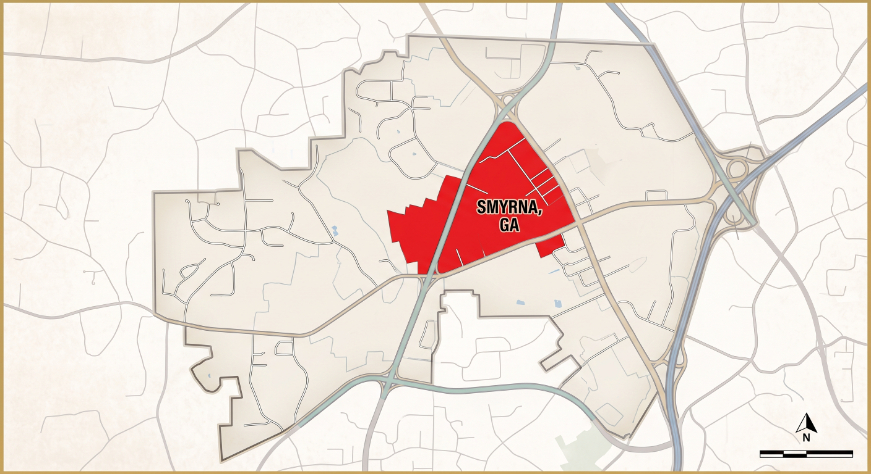
Crawl spaces in Smyrna homes and businesses often cause cold floors, high energy bills, and musty odors that spread into the living space above. These issues start below the building, where moisture and unsealed air gaps allow outside conditions to affect the whole structure. Proper crawl space insulation creates a barrier that stops moisture intrusion, blocks outside air, and helps stabilize indoor temperatures year-round.
We work with homeowners and business owners throughout Smyrna and the surrounding area to address these problems directly. Our approach targets the specific conditions found in Georgia crawl spaces, including humidity, pests, and temperature swings that standard insulation methods often miss.
This page explains how our crawl space insulation services work, what benefits they provide, and what happens when this part of a building is left unaddressed.
Spray foam performs differently depending on where we install it and what surface it needs to seal. We apply closed-cell and open-cell foam across crawl spaces, floor systems, and commercial enclosures, adjusting the product and thickness to match each area’s moisture and structural conditions.
We spray closed-cell foam directly onto crawl space foundation walls to create an air seal and moisture barrier in one step. This application stops ground moisture from migrating into the wall assembly, which is a common failure point in vented crawl spaces.
Closed-cell foam holds its shape against masonry and concrete without sagging over time. We typically apply it at a thickness that meets local code requirements for the region's climate zone.
This approach works alongside a vapor barrier on the crawl space floor. Together, they reduce humidity levels that lead to wood rot, mold growth, and pest activity in the subfloor area.
GET A FREE QUOTERim joists sit at the intersection of the foundation and the floor framing, and they're often a weak point for air leakage. We seal this area with spray foam to close gaps around joist ends, band boards, and sill plates.
Floor systems above crawl spaces benefit from foam applied between joists when the crawl space remains vented rather than encapsulated. This method blocks cold air and moisture from reaching the subfloor.
Sealing these points reduces drafts felt in floors above and helps maintain more consistent indoor temperatures.
GET A FREE QUOTECommercial buildings often have larger crawl spaces or below-grade areas that require the same air-sealing principles as residential properties, scaled to fit the square footage. We apply spray foam to foundation walls, mechanical room enclosures, and floor systems in warehouses, retail spaces, and office buildings.
Closed-cell foam is our standard choice here because of its moisture resistance and structural rigidity, both of which matter in high-traffic or storage areas. We coordinate installation timing with building operations to limit disruption.
Commercial properties also face stricter code requirements around fire ratings and vapor control, so we account for these factors during the planning stage before any foam is sprayed.
GET A FREE QUOTEInsulating your crawl space affects three connected areas of your home: energy use, temperature stability, and moisture levels. When we address the crawl space properly, these three factors work together to improve overall home performance.
Uninsulated crawl spaces allow conditioned air to escape through the floor system. Your HVAC system has to work harder to compensate, which increases run time and energy consumption.
We install insulation that creates a thermal barrier between the crawl space and your living areas. This reduces the amount of heat transfer during both summer and winter months.
Homeowners typically notice a reduction in monthly utility costs after we complete the work. The exact savings depend on your home’s size, current insulation levels, and local climate conditions.
Businesses with crawl spaces under commercial buildings see similar results. Lower HVAC demand means less strain on equipment, which can extend the lifespan of your heating and cooling systems.
Floors above uninsulated crawl spaces often feel cold in winter and warm in summer. This happens because outside air moves freely through the crawl space and affects the floor above it.
We seal and insulate the space to limit this air exchange. The result is a more stable temperature across different rooms, including those directly above the crawl space.
This matters most in rooms that previously felt drafty or uneven compared to the rest of the home. Consistent temperatures also reduce the need to adjust your thermostat frequently.
For commercial properties, temperature consistency affects occupant comfort and can reduce complaints related to specific areas of a building.
Crawl spaces are a common entry point for moisture and outside air. Without proper insulation and sealing, humidity from the ground and surrounding air can move into your home.
We address this with a combination of insulation and air sealing techniques. This limits the pathways moisture and outside air use to enter the space beneath your floors.
Lower humidity levels in the crawl space reduce the risk of condensation on structural components. This includes:
Reduced air leakage also means fewer opportunities for outdoor pollutants, allergens, and pests to enter your home through gaps in the crawl space structure.
An unprotected crawl space rarely stays a small problem. Left unaddressed, it can affect your home’s structure, air quality, and your monthly bills.
Ground moisture rises into an open crawl space and has nowhere to go. Over time, this creates a damp environment where wood rot and mold thrive.
We often find that:
This process doesn’t happen overnight, but it doesn’t reverse itself either. Once wood rot sets in, we typically can’t stop it with insulation alone; the damaged material has to be addressed first.
Gaps, moisture, and warmth make an unprotected crawl space attractive to insects and rodents. We regularly see termites, carpenter ants, and mice using these spaces as entry points into the home.
Air quality suffers as a direct result. Roughly 40% of the air on your first floor originates from the crawl space below it, according to building science research we rely on. If that air carries mold spores, pest droppings, or excess humidity, it moves directly into the rooms you occupy daily.
This is a health consideration, not just a structural one. Homes with poor crawl space conditions often report more allergy symptoms and respiratory irritation among occupants.
Without proper insulation, conditioned air escapes through the crawl space and floor cavities. Your HVAC system compensates by running longer and more often, which drives up energy costs month after month.
Temperature inconsistency is another common result. We frequently hear from homeowners about:
Wood also expands and contracts with fluctuating humidity levels. This movement can cause floors to sag, buckle, or develop noticeable gaps over time.
We combine local knowledge with practical experience across both home and commercial crawl spaces. Our team focuses on proper materials and application techniques to get the job done right the first time.
We know the crawl space challenges that come with Smyrna's climate and soil conditions. Humidity, seasonal shifts, and clay soil can all affect moisture levels beneath a building. Our crews have worked on homes and commercial properties throughout Smyrna and the surrounding Atlanta metro area. We understand the common issues local property owners face, from vapor barriers that fail early to insulation that wasn't rated for ground-level moisture. This local familiarity means we don't waste time diagnosing problems we've already seen many times before. We show up prepared with the right approach for our region.
We work on single-family homes, multi-unit residential buildings, and commercial properties. Each type of building has different crawl space dimensions, access points, and moisture concerns. Our services include: Spray foam application for sealing gaps and creating a moisture barrier Crawl space encapsulation to control humidity and prevent pest entry Insulation removal and replacement for damaged or outdated materials Commercial-grade solutions built for larger square footage and code requirements We adjust our methods based on the property type. A commercial crawl space often requires different equipment and scheduling than a residential job, and we plan accordingly.

We use spray foam products designed for long-term moisture resistance and thermal performance. Our team is trained in proper application techniques, including correct thickness and coverage for each specific space. Materials matter as much as installation quality. We select insulation rated for crawl space conditions, not general-purpose products that may degrade faster in high-humidity environments. Our workmanship reflects industry standards for insulation contractors. We inspect each space before starting work and confirm the finished job meets the coverage and sealing requirements needed for that particular building.
Every crawl space is different, so we start with an in-person evaluation before recommending a solution. From there, we prepare the space properly and apply insulation with attention to detail at every step.
We begin by inspecting the crawl space in person. This includes checking existing insulation, vapor barriers, ventilation, and any visible signs of moisture or pest activity.
We also measure the space and note structural details like joists, ductwork, and plumbing lines. These factors affect which insulation type and installation method will work best.
During this visit, we identify any underlying issues that need to be addressed first. Cracks in the foundation, gaps around vents, or standing water are examples of problems we flag before moving forward.
We then provide a clear, written recommendation. This outlines the insulation material, estimated labor, and a straightforward cost breakdown so there are no surprises later.
Before any insulation goes in, we clean the crawl space and remove old or damaged materials. Debris, pests, and deteriorated insulation are cleared out to create a stable surface.
Moisture control comes next. We check for sources of water intrusion, including grading issues, plumbing leaks, or gaps in the foundation, and address them directly.
In most cases, we install a vapor barrier across the ground to block moisture from rising into the crawl space. Depending on the setup, we may also seal vents or add a dehumidification component.
This step matters because insulation installed over a damp surface loses effectiveness quickly. Addressing moisture first protects the insulation and the structure above it.
Once the space is prepared, we apply the insulation according to the plan outlined during the assessment. This may involve spray foam, rigid foam board, or batt insulation, depending on the crawl space design and client preference.
We pay close attention to coverage around rim joists, wall sections, and any gaps that could allow air leakage. Seams are sealed and material is fastened securely to hold up over time.
After installation, we conduct a final walkthrough. This includes checking for complete coverage, confirming the vapor barrier is properly sealed, and verifying that ventilation or dehumidification systems are functioning as intended.
We document the completed work and share it with the homeowner or business owner before closing out the job.
We provide crawl space insulation services throughout Smyrna and the surrounding Metro Atlanta area. Getting started is simple: contact us to schedule an evaluation, and we’ll assess your specific needs before recommending a solution.
Requesting an estimate starts with a conversation about your property. Call us or fill out our online form with your address, property type, and a brief description of the issue you’re experiencing.
Costs, materials, R-value targets, and code requirements are the questions we hear most from Smyrna homeowners and business owners considering crawl space insulation.
Pricing depends on the square footage of your crawl space, the material we install, and whether encapsulation or vapor barrier work is included. Most residential projects in the Smyrna area range from a few hundred to a few thousand dollars. We provide a detailed quote after inspecting your crawl space in person.
Closed-cell spray foam performs well in Georgia crawl spaces because it resists moisture and creates an air seal. Rigid foam board is another option we use on foundation walls. The right choice depends on whether your crawl space is vented or sealed.
For Smyrna and the greater Atlanta area, we typically recommend an R-value between R-13 and R-19 for crawl space walls. Floor insulation above unconditioned crawl spaces often calls for a higher R-value, closer to R-19 to R-25. We confirm exact recommendations based on your home’s construction and local energy code.
Yes. A properly insulated and sealed crawl space reduces the amount of conditioned air escaping through the floor. Homeowners often notice a difference in heating and cooling costs within the first billing cycle after installation.
Insulation alone doesn’t stop moisture, but pairing it with a vapor barrier and proper sealing addresses the humidity that leads to mold growth. We assess moisture levels before recommending an insulation approach for your space.
Some crawl space insulation and encapsulation projects require permits depending on the scope of work and local building codes in Cobb County. We handle the permitting process for projects that require it, so you don’t have to navigate it on your own.