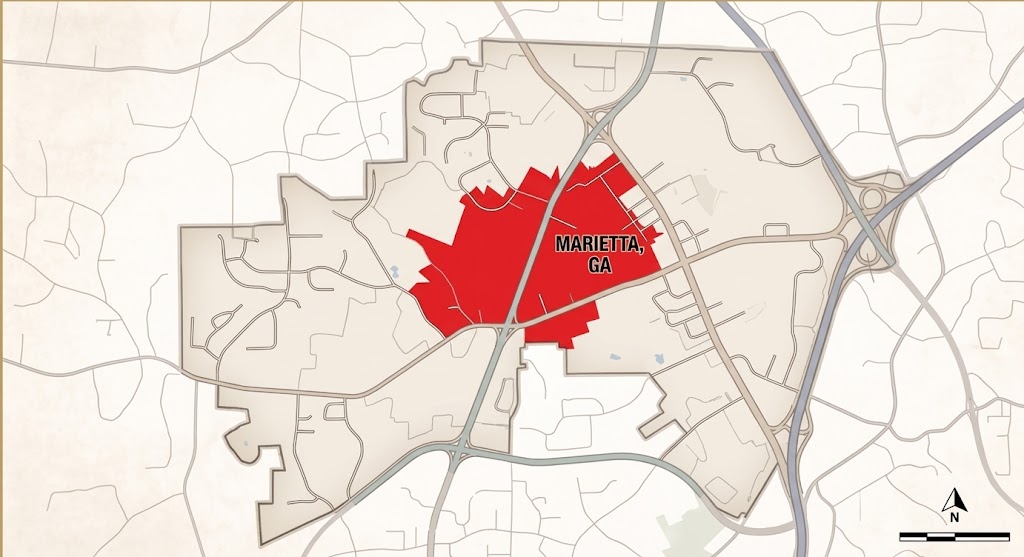
Crawl spaces cause more home comfort complaints than most homeowners realize. Cold floors in winter, musty odors, and higher energy bills often trace back to an unsealed or poorly insulated crawl space beneath the house. Georgia Insulation provides crawl space insulation services in Marietta, GA, addressing moisture control, temperature regulation, and air quality issues at their source.
We work with homeowners and business owners throughout Marietta and the surrounding areas to identify why a crawl space is causing problems and what it will take to fix it. Our approach looks at insulation, vapor barriers, and sealing together, since these elements work as a system rather than separate fixes.
This page covers what our crawl space insulation service includes, the risks of leaving a crawl space untreated, and how our process works from inspection to completion.
Different parts of a home or commercial building present different insulation challenges, so we adjust our spray foam application based on the surface, structure, and moisture conditions we find. Below is how we approach the most common areas.
In crawl spaces, we apply closed-cell spray foam directly to the foundation walls and rim joists. This creates an air seal and a moisture barrier in one step, which addresses one of the most common failure points in vented crawl spaces.
Closed-cell foam typically delivers an R-value between R-5.5 and R-6.5 per inch. It also adheres to irregular surfaces, filling gaps around sill plates, pipe penetrations, and wiring that other materials leave exposed.
We pay close attention to rim joists specifically, since this junction between the foundation and the floor system is prone to air leakage and condensation. Sealing it properly reduces drafts and helps control moisture buildup underneath the home.
GET A FREE QUOTEWe use spray foam to insulate attics, exterior walls, and floors above unconditioned spaces such as garages or porches. In attics, foam is applied along the roofline or attic floor, depending on whether the space is intended to be conditioned.
For walls, we spray foam into open cavities during renovations or new construction, filling gaps around studs and framing more completely than batt insulation can. Floors over crawl spaces or garages benefit from foam applied between joists, which reduces cold spots and blocks air infiltration.
Each of these areas contributes to a home's overall thermal performance, so we evaluate them individually rather than applying a one-size-fits-all approach.
GET A FREE QUOTECommercial buildings often have larger, more complex envelopes, including metal panel walls, concrete block construction, and mixed-use spaces with varying insulation needs. We apply spray foam to these surfaces to create a continuous air and thermal barrier across large areas.
This approach helps commercial property owners manage energy costs across sections of a building that may otherwise have inconsistent insulation levels. We also foam around structural penetrations, loading dock areas, and mechanical rooms, where air leakage is common in commercial properties.
Our team assesses the specific construction type and usage pattern of each commercial building before recommending an application method.
GET A FREE QUOTEAn uninsulated or poorly sealed crawl space affects three things directly: your utility bills, the temperature consistency in your living spaces, and the moisture levels beneath your home. We address all three factors together, since they are closely connected.
Air moves through an unsealed crawl space and directly affects the floors above it. In winter, cold air seeps upward, forcing your HVAC system to work harder to maintain a comfortable temperature.
In summer, the opposite happens. Warm, humid air infiltrates the crawl space and pushes your air conditioning system to run longer cycles.
We install insulation designed to slow this air exchange. This reduces the workload on your heating and cooling equipment and can lower your monthly energy costs over time.
A properly insulated crawl space also reduces strain on HVAC components, which may extend their operational lifespan.
Homes and buildings with uninsulated crawl spaces often report cold floors in winter and uneven heating between rooms. This happens because conditioned air escapes and outside air replaces it through gaps and vents.
We seal and insulate the crawl space to reduce these temperature swings. Rooms located above or near the crawl space tend to maintain a steadier temperature once insulation is in place.
This matters for:
Consistent temperatures also reduce the need to constantly adjust thermostats throughout the day.
Crawl spaces are naturally exposed to ground moisture, humidity, and, in some cases, standing water. Without a moisture barrier or proper insulation, this dampness can travel upward into your home or building.
We use insulation materials and installation methods that help block moisture transfer from the crawl space into living or working areas above it. This reduces the conditions that allow mold, mildew, and wood rot to develop.
Reduced moisture also protects:
Addressing moisture at the source, rather than after damage appears, is more cost-effective for property owners in the long run.
An uninsulated crawl space affects far more than the area beneath your floor. It creates a chain reaction that drives up energy costs, invites moisture and mold, and opens the door to pests and structural damage.
We often measure temperature differences of 10 to 15 degrees between an uninsulated crawl space and the living areas above it. That gap forces your HVAC system to work harder, and your energy bills reflect it.
Cold air seeping through floors in winter makes rooms feel drafty, while summer heat can push humid air upward. Homeowners frequently notice:
We see this pattern often in homes built before crawl space insulation became standard practice.
Warm, moist air meeting cool crawl space surfaces creates condensation. Over time, this moisture settles into wood framing, subfloors, and any insulation that’s already in place.
Fiberglass insulation is particularly vulnerable here. It absorbs moisture, sags, and loses its ability to block cold air, leaving the space no better protected than before.
Once trapped moisture builds up, mold growth becomes a real concern. We regularly find mold colonies in crawl spaces that have gone unchecked for years, and this can affect indoor air quality throughout the home or building above it.
Uninsulated and unsealed crawl spaces give pests an easy way in. Termites, rodents, and insects are drawn to the damp wood and dark, undisturbed conditions these spaces provide.
Moisture doesn’t just attract pests, it also weakens the structure itself. We’ve seen the following issues develop in homes and commercial buildings with long-term crawl space neglect:
Issue | Cause |
Wood rot in floor joists | Prolonged moisture exposure |
Sagging or uneven floors | Weakened support structure |
Termite damage | Damp wood attracting infestation |
Musty odors indoors | Mold and mildew below the floor |
Left unaddressed, these problems can compromise the safety and value of your property.
Homeowners and business owners across Marietta choose us for our local knowledge, our ability to handle both residential and commercial crawl spaces, and our commitment to quality materials and skilled installation.
We understand the specific challenges Marietta properties face. Georgia's humidity, clay soil, and seasonal temperature swings create conditions that promote moisture buildup in crawl spaces. Our team has worked on homes and buildings throughout Marietta and the surrounding areas for years. We know how local building codes apply to crawl space work, and we understand common issues found in older homes versus newer construction. This experience helps us identify problems quickly. We can spot signs of moisture damage, pest entry points, and insulation failure that someone unfamiliar with the region might miss. Our familiarity with local weather patterns also informs our recommendations. We select insulation materials and vapor barrier systems suited to Marietta's specific climate conditions, not generic solutions.
We work with both residential and commercial properties, adjusting our crawl space insulation approach to fit each building’s structure and needs. For homes, we focus on moisture control beneath living spaces, energy efficiency, and pest and rodent barriers. For commercial properties, we address larger crawl spaces with varying access points, commercial building requirements, and installation methods that help minimize disruption to business operations. Every property is assessed individually, since restaurants, offices, and retail spaces can have different layouts and usage patterns. We also size our equipment and crew appropriately for each project, whether it is a modest residential crawl space or a large commercial foundation.

We use closed-cell spray foam and vapor barrier materials selected for durability and moisture resistance. These materials are suited to withstand Georgia's humidity levels over time. Our installation team follows manufacturer specifications during every job. We apply proper thickness levels, seal seams correctly, and address existing moisture issues before installation begins. Correct installation matters as much as material selection. Gaps, uneven application, or skipped preparation steps can reduce the effectiveness of even high-quality insulation. We inspect each crawl space before starting work to identify existing damage, standing water, or ventilation issues. Addressing these problems first helps the insulation perform as intended for years after installation.
We follow a consistent process from the first visit to the final review. This keeps every crawl space job accurate, thorough, and built around the specific conditions found under your home or building.
We start with a physical inspection of the crawl space. Our team checks for moisture sources, standing water, existing insulation condition, and signs of pest activity or wood rot.
We also measure humidity levels and inspect vents, ductwork, and plumbing lines for gaps or leaks. Foundation walls and the subfloor get a close look for cracks or damage.
This step tells us what caused the problem in the first place. Insulation alone will not fix a crawl space with active moisture intrusion, so we identify that first.
We document our findings and take photos when needed. This gives you a clear picture of the crawl space’s actual condition before any work begins.
Based on the evaluation, we recommend a specific insulation type and approach. Options may include:
We factor in your crawl space’s size, ventilation setup, and moisture history. A vented crawl space under a home may need a different solution than an unvented commercial foundation.
We explain the reasoning behind each recommendation. You will know why a particular material fits your situation before agreeing to any work.
Our crew prepares the space first. This includes removing old insulation, cleaning debris, and sealing any gaps or cracks identified during the evaluation.
Installation follows manufacturer specifications for the chosen material. We seal seams, secure vapor barriers, and fasten insulation according to local building code.
Once installation is complete, we conduct a final walkthrough. We check for gaps, confirm proper coverage, and verify that vents or access points remain functional if required.
We also review the completed work with you directly. This includes explaining what was installed, where, and what maintenance steps, if any, apply going forward.
Georgia Insulation serves homeowners and business owners throughout the Marietta area, and getting started with crawl space insulation is a straightforward process.
Starting with a consultation lets us evaluate your crawl space and identify the best insulation approach for your property.
We provide a written estimate after the inspection, with no obligation to proceed. This gives property owners time to review options before making a decision.
Homeowners and business owners in Marietta ask us about costs, materials, moisture control, and timelines before committing to a project. Below are the answers we give most often.
Insulating a crawl space reduces heat loss through the floor, which lowers heating and cooling costs. It also stabilizes indoor temperatures, especially in rooms located above the crawl space.
A properly insulated and sealed crawl space limits moisture intrusion and reduces the load on your HVAC system.
Costs typically range from $1,500 to $6,000 depending on the size of the crawl space, the material used, and whether encapsulation is included. Spray foam and encapsulation packages cost more upfront than fiberglass batts but last longer in humid Georgia conditions.
We provide a written estimate after inspecting your property, since square footage and moisture levels affect the final price.
Closed-cell spray foam works well for block or concrete crawl space walls because it creates an air seal and resists moisture. Fiberglass batts are less effective in vented Georgia crawl spaces since they absorb humidity over time.
We evaluate your crawl space’s ventilation, vapor barrier condition, and moisture levels before recommending a material.
Yes, when insulation is paired with a vapor barrier or full encapsulation. Sealing the crawl space and insulating the walls limits the humid air exchange that leads to condensation and mold growth.
Insulation alone, without addressing air sealing, will not solve a moisture problem on its own.
Most residential crawl space insulation projects take one to two days, depending on square footage and whether encapsulation is part of the job. Commercial buildings with larger crawl spaces may take longer.
We provide a project timeline before work begins so you know what to expect.
Yes, we work with commercial property owners on crawl space insulation and encapsulation projects. Our approach for commercial buildings follows the same inspection and sealing process we use for homes, adjusted for larger spaces and different access points.