
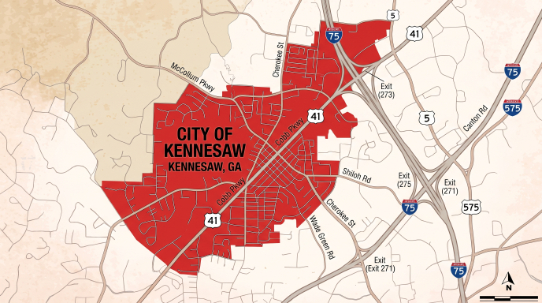
Crawl spaces in Kennesaw, GA homes and businesses create conditions for cold floors, high humidity, and musty odors that spread into living and work spaces above. Georgia Insulation installs crawl space insulation that addresses these problems at the source, sealing off moisture and temperature swings before they affect the rest of the building.
Many property owners overlook their crawl space because it stays out of sight, yet this area influences energy bills, indoor air quality, and the structural condition of floor joists and support beams. We work with homeowners and business owners throughout Kennesaw and the surrounding area to identify weak points in crawl space insulation and correct them with proven methods.
This guide covers where crawl space insulation applies across residential and commercial properties, the benefits it provides, and the risks of leaving a crawl space unprotected. We also explain our process and answer common questions from property owners considering this service.
The right approach depends on how your crawl space handles moisture, whether it’s vented or sealed, and where air and water are entering the structure. We evaluate these factors before recommending any material or placement.
Vented crawl spaces rely on outside air to control moisture, but in Georgia's humid climate, that outside air often brings more moisture in than it removes. We frequently find mold, wood rot, and rusted ductwork in homes with traditional vented systems.
Encapsulation seals the crawl space from outside air using a heavy-duty vapor barrier, sealed vents, and often a dehumidifier. This approach has become the standard recommendation among building science professionals for humid regions like ours.
| Factor | Vented | Encapsulated |
|---|---|---|
| Moisture control | Weather-dependent | Consistent |
| Energy efficiency | Lower | Higher |
| Upfront cost | Lower | Higher |
We assess your specific conditions before recommending one system over the other.
Get A Free QuoteIf we encapsulate your crawl space, insulation typically goes on the foundation walls rather than between the floor joists. This keeps the crawl space conditioned closer to the temperature of the home above it.
In vented crawl spaces, insulation belongs at the floor assembly, between the joists, to separate the living space from outside air below. We use this placement when sealing the entire perimeter isn't practical or when local code requires ventilation to remain in place.
Mixing these two approaches, insulating both walls and floors in the same crawl space, usually wastes material and can trap moisture. We choose one location based on the ventilation strategy, not both.
Get A Free QuoteInsulation performs poorly if moisture and air leaks aren't addressed first. We check for standing water, grading issues, and plumbing leaks before any material goes in.
Air sealing matters just as much. Gaps around pipes, wiring penetrations, and the sill plate let in humid air that condenses on cool surfaces. We seal these points and install a vapor barrier across the crawl space floor, typically overlapping seams by several inches and sealing them with tape.
Skipping this step allows moisture to migrate into new insulation regardless of material type, which shortens its lifespan and reduces its effectiveness.
Get A Free QuoteSpray foam performs differently depending on where we install it and what structure it needs to protect. We apply closed-cell and open-cell formulas across crawl spaces, attics, wall cavities, and commercial foundations, matching the product to each area’s moisture levels and ventilation needs.
Crawl space walls and rim joists are two of the most vulnerable areas in a home’s building envelope. We typically use closed-cell spray foam in these locations because of its moisture resistance and higher R-value per inch.
Rim joists often have small gaps where the foundation meets the floor framing. These gaps allow outside air to enter the home, which can increase heating and cooling costs.
We fill these areas completely, sealing them against air infiltration and pest entry. This application also helps control condensation on wall surfaces, which reduces the risk of wood rot and mold growth over time.
Attics and wall cavities benefit from spray foam’s ability to conform to irregular framing and penetrations. We use open-cell foam in many attic applications since it allows for some vapor movement while still reducing air leakage.
In exterior wall cavities, spray foam fills gaps around outlets, pipes, and wiring that fiberglass batts often miss. This creates a more consistent thermal barrier across the wall assembly.
For attics specifically, we can apply foam directly to the roof deck to create a conditioned space, which changes how heat moves through the structure. This approach works well for homes with HVAC equipment located in the attic.
Commercial buildings often have larger crawl spaces and more complex mechanical systems running beneath the structure. We use closed-cell foam in these areas to manage moisture and support the building envelope’s overall performance.
Commercial applications require attention to:
We size each commercial project based on square footage, ceiling height in the crawl space, and the specific moisture conditions present at the site.
Crawl space insulation affects three interconnected areas of your home: indoor temperature stability, energy use, and moisture control. We design each installation to address all three, since a gap in one area often undermines the other two.
Floors above an uninsulated crawl space often feel cold in winter and warm in summer, regardless of what your thermostat reads. This happens because the crawl space temperature directly influences the subfloor above it.
We install insulation that creates a thermal barrier between the crawl space and the living area. This reduces temperature swings in rooms directly above the crawl space, particularly in homes with hardwood or tile flooring.
Bedrooms and living rooms near grade level benefit the most. You’ll likely notice fewer cold spots near baseboards and a more even temperature from room to room.
Crawl spaces are a common source of unconditioned air entering a home. Gaps around vents, pipes, and foundation walls allow outside air to mix with air from the living space above.
We seal these entry points as part of our insulation process. This reduces the amount of outside air your HVAC system has to compensate for, which can lower the frequency and duration of heating and cooling cycles.
A few factors determine how much impact this has on your energy bills:
Insulation alone doesn’t stop moisture problems, but it works alongside vapor barriers and ventilation to limit humidity buildup in the crawl space. We treat these elements as one system rather than separate fixes.
Excess moisture in a crawl space can lead to condensation on insulation, wood rot in floor joists, and conditions that support mold growth. Insulation helps by reducing the temperature difference that causes condensation to form on surfaces.
We pair insulation with a properly installed vapor barrier to block ground moisture from rising into the crawl space. This combination addresses both the air temperature an
An unprotected crawl space creates problems that extend well beyond the space itself. Floors become uncomfortable, moisture accumulates, and air quality in the rooms above can suffer.
Without insulation, the floor above a crawl space acts as a direct conduit for outside temperatures. In winter, cold air beneath the home pulls heat out of living spaces from the ground up, leaving floors uncomfortable to walk on.
This temperature exchange forces heating and cooling systems to work harder. We regularly see homeowners running their HVAC systems longer than necessary just to compensate for heat loss through an uninsulated crawl space floor.
The result shows up on monthly utility bills. Over a year, that extra energy use adds up, and the system itself experiences more wear from the added demand.
Crawl spaces naturally trap humidity, especially in Kennesaw’s climate where temperature swings between seasons are common. Without insulation and proper vapor control, warm moist air meets cooler surfaces and condenses.
That moisture doesn’t stay contained. It settles on floor joists, subflooring, and support beams, creating conditions where mold can establish itself within days.
Left untreated, this process weakens wood fibers over time. We’ve seen cases where sustained moisture exposure led to:
Addressing moisture early prevents these issues from becoming costly structural repairs.
Air from an unprotected crawl space doesn’t stay below the home. It moves upward through gaps, seams, and penetrations into the living or working space above, a process sometimes called the “stack effect.”
This uncontrolled airflow carries whatever is present in the crawl space, including humidity, dust, and in some cases mold spores or soil gases. Occupants may notice inconsistent temperatures between rooms or a persistent musty smell with no obvious source.
For commercial buildings, this can affect indoor air quality across multiple floors. We find that sealing and insulating the crawl space significantly reduces this type of air infiltration, giving building owners better control over interior conditions.
Selecting a crawl space insulation contractor comes down to local experience, clear planning, and transparency about materials and process. We outline what you can expect from us before, during, and after the project.
We serve Kennesaw and surrounding North Georgia communities with crawl space solutions tailored to the region’s humidity, seasonal temperature changes, and moisture conditions. Our local experience helps us identify issues in older and newer properties while providing timely inspections, quotes, and installations.
Every project begins with an on-site crawl space assessment to evaluate insulation, moisture, ventilation, and structural concerns. We consider property size, accessibility, existing vapor barriers, and applicable building codes before providing a written estimate with the recommended work, materials, and timeline.
We encourage you to ask about insulation materials, R-values, moisture control, installation timelines, and warranty coverage before committing. During the estimate process, we explain what’s included so you can make an informed decision and understand the project before work begins.
Our crawl space insulation process follows a defined sequence from the first visit to the last walkthrough. Each stage addresses a specific condition in the crawl space before we move to the next step.
We start by checking how the crawl space is accessed and whether the opening allows safe entry for our crew and equipment.
From there, we examine the current insulation, noting its type, thickness, and condition. Sagging batts, compressed fiberglass, or missing sections get flagged for removal.
Moisture is a central part of this stage. We look for:
We also check for pest activity, since rodents and insects often nest in old insulation. This assessment determines what repairs and materials the rest of the job will require.
Before any insulation goes in, we remove damaged materials and clear debris from the crawl space floor. This includes old vapor barriers, deteriorated insulation, and any construction scraps left behind.
If we find moisture sources during the assessment, we address them now. This might mean sealing foundation cracks, directing drainage away from the structure, or recommending a vapor barrier installation.
Wood rot and structural damage get repaired at this stage as well, since insulation should not be installed over compromised framing. We also treat any active pest issues before sealing the space.
Surface preparation includes cleaning framing members so insulation adheres properly or fits as intended. Skipping this step leads to insulation failure within a few years, so we do not move forward until the space is ready.
Our crew wears respirators, gloves, and protective clothing when working with spray foam or fiberglass batts. We ventilate the space during application, particularly when using spray foam, since the curing process releases fumes that need to dissipate.
Installation follows the specifications for the chosen material:
Material | Key Installation Factor |
Closed-cell spray foam | Applied in controlled lifts to manage heat buildup |
Open-cell spray foam | Applied with attention to expansion rate |
Fiberglass batts | Fitted snugly between joists without gaps |
We seal rim joists and penetrations where pipes or wires pass through, since these spots commonly leak air. Our team also checks that electrical components remain accessible and unobstructed after installation.
Once installation is complete, we walk the crawl space to confirm full coverage with no gaps, thin spots, or missed areas. We check that insulation meets the thickness and R-value specified for your project.
Cleanup includes removing all debris, packaging materials, and tools from the crawl space and the surrounding property. We leave the area as clean as we found it, aside from the completed work.
Before we close out the job, we explain reentry guidelines to you. This covers how long to wait before reentering the space after spray foam application, since cure time varies by product. We also note any ventilation recommendations for the following days.
We provide professional crawl space insulation and encapsulation services in Kennesaw, GA, and surrounding communities. Our tailored solutions help control moisture, improve energy efficiency, and protect residential and commercial properties from crawl space issues.
Starting with a consultation lets us evaluate your crawl space and identify the best insulation approach for your property.
We provide a written estimate after the inspection, with no obligation to proceed. This gives property owners time to review options before making a decision.
Costs, material choices, and installation methods vary based on crawl space size, moisture conditions, and the type of insulation you select. We answer the questions we hear most often from homeowners and business owners in Kennesaw and the surrounding area.
Pricing depends on the square footage of your crawl space, the insulation material you choose, and whether encapsulation is included.
Spray foam typically costs more upfront than batt or fiberglass insulation, but it often requires less maintenance over time. We provide a free, no-obligation quote after inspecting your property so you know the exact scope of work and price before we begin.
Closed-cell spray foam is a common choice because it resists moisture and creates an air seal along foundation walls. Rigid foam board is another option, particularly when paired with a vapor barrier for additional moisture control.
Fiberglass batts are less effective in crawl spaces due to their tendency to absorb moisture and lose R-value over time. We assess your specific conditions, including humidity levels and existing ventilation, to recommend the right material for your property.
Yes, spray foam works well in crawl spaces because it adheres directly to surfaces and limits air infiltration. It also reduces the pathway for moisture and pests to enter your home or building.
Some foam products require a fire-rated covering when left exposed, depending on local code requirements. We follow applicable building codes for every installation we complete.
Properly insulated crawl spaces reduce the amount of conditioned air that escapes through the floor system. This can lower the workload on your HVAC system, particularly in homes with ductwork located in the crawl space.
The amount of savings varies by home size, current insulation levels, and local climate conditions. We can provide a more specific estimate after evaluating your property.
Uninsulated crawl spaces allow outside temperatures to affect the floors above, leading to cold spots in winter and uneven cooling in summer. Moisture from the ground can also rise into the crawl space, creating conditions for mold growth and wood rot.
Over time, this moisture can damage floor joists and support beams, affecting the structural integrity of the building. Pests are also more likely to enter through gaps in an uninsulated or unsealed crawl space.
We start with an inspection to assess moisture levels, existing insulation condition, and any structural issues. Based on our findings, we remove old or damaged insulation if needed and prepare the space for new material.
We then install the insulation, whether that’s spray foam, rigid foam board, or another product suited to your crawl space. If encapsulation is part of the project, we also install a vapor barrier and seal vents or openings to control moisture and airflow.