
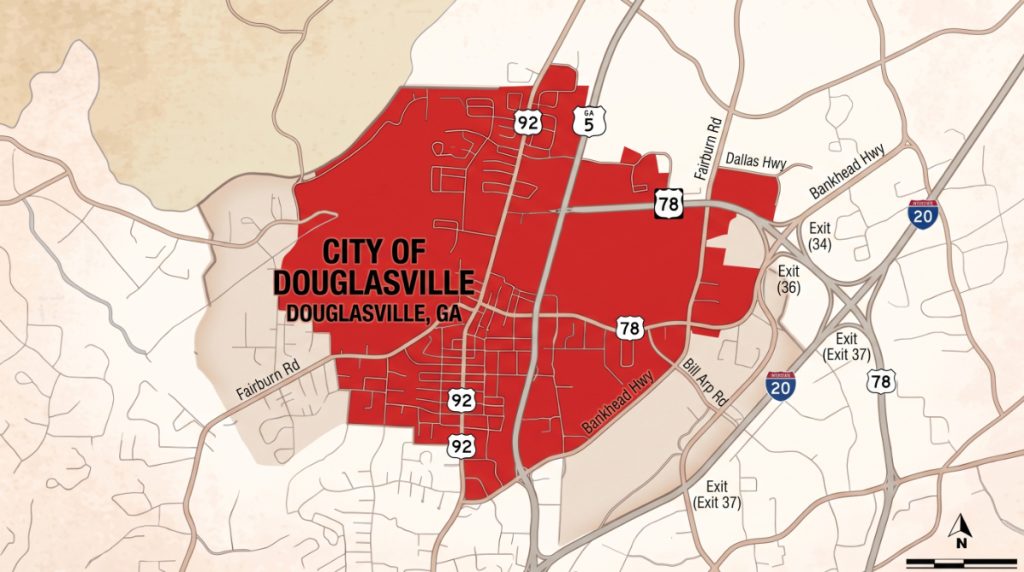
Crawl spaces in Douglasville homes face constant moisture exposure, temperature swings, and poor air circulation. Uninsulated or poorly insulated crawl spaces allow cold air, humidity, and pests to enter your home, driving up energy bills and creating conditions for mold growth. Georgia Insulation provides crawl space insulation services throughout Douglasville and the surrounding communities.
Your crawl space affects every floor above it. When this area is left exposed, you may notice cold floors, higher utility costs, or a musty smell throughout your home.
We work with homeowners and business owners to seal and insulate crawl spaces properly, addressing the root cause of these issues rather than masking symptoms. Our approach focuses on controlling moisture, blocking outside air, and creating a stable environment beneath your structure.
Spray foam insulation applies differently depending on the space, structure, and building type. We size and install the right foam for crawl spaces, attics, and commercial enclosures based on the specific moisture, temperature, and access conditions in each area.
We apply closed-cell spray foam directly to crawl space walls to block ground moisture and vapor intrusion. This foam type creates a continuous air and moisture barrier that fiberglass batts cannot match.
Rim joists receive particular attention because they are a common source of air leakage and cold spots. We seal these junctions where the foundation meets the floor framing to stop drafts and reduce condensation risk.
When floor assemblies are insulated instead of walls, we fill the joist cavities to address wiring, plumbing, and ductwork penetrations. This method creates an effective thermal layer despite uneven joist spacing or obstructions.
Our technicians evaluate existing moisture levels, vapor barriers, and ventilation before choosing between wall or floor-level application.
Get A Free QuoteAttics are one of the largest areas of heat loss in a home, and we use both open-cell and closed-cell foam depending on the roof structure and climate goals. Open-cell foam works well for sound dampening and interior attic spaces, while closed-cell foam suits areas exposed to moisture.
We also apply spray foam in:
Each area requires a different foam density and application thickness, which we determine during the inspection.
Get A Free QuoteCommercial buildings often have larger, more complex crawl spaces with higher moisture exposure due to size and ground conditions. We apply closed-cell foam to these areas to manage vapor intrusion and support consistent indoor air quality across the building.
Building enclosures, including wall cavities and roof decks, benefit from spray foam's ability to maintain an unbroken air seal across large square footage. This reduces strain on HVAC systems that serve multiple tenants or large open floor plans.
We coordinate commercial installations around business operating hours to limit disruption. Our crews follow the same moisture assessment process used in residential work, scaled to the size and layout of the commercial structure.
Get A Free QuoteA well-insulated crawl space affects comfort, energy use, and how well your home resists moisture-related damage. We outline the main advantages below.
When your crawl space is properly insulated, floors stay warmer in the winter and cooler in the summer. We often find that homeowners notice the difference most in rooms directly above an uninsulated crawl space, where temperature swings tend to be most noticeable.
This happens because insulation creates a barrier between outdoor conditions and your living space. Without it, cold or hot air moves freely through the floor, forcing your HVAC system to work harder to compensate.
We install insulation that addresses this temperature transfer directly, helping maintain steadier conditions throughout the home. This is especially useful in Georgia, where seasonal temperature shifts can be significant.
Crawl spaces are a common source of air leakage in homes and commercial buildings. Gaps, cracks, and uninsulated vents allow outside air to enter, which increases the load on heating and cooling systems.
We seal and insulate crawl spaces to limit this exchange of air. The result is lower energy waste and, in many cases, reduced utility costs over time.
Here’s what contributes to air leakage in an untreated crawl space:
Addressing these issues directly reduces the amount of conditioned air lost through the floor system.
Moisture is one of the most damaging factors in an untreated crawl space. Excess humidity can lead to wood rot, mold growth, and damage to insulation materials themselves if not addressed first.
We prepare the crawl space before installing insulation, which includes assessing ground moisture and identifying any existing water intrusion. This step matters because insulation installed over a damp or poorly ventilated space will not perform as expected.
Proper preparation supports longer-lasting results and helps protect the structural wood components above the crawl space. We treat this as a required step, not an optional add-on, when insulating crawl spaces in Douglasville and the surrounding area.
An unprotected crawl space does more than let outside air in. It creates conditions that affect comfort, structural integrity, and energy costs throughout the building.
Without proper insulation, the floor above your crawl space becomes a direct pathway for heat loss during colder months. You and your family (or employees) may notice cold spots on the floor, especially in rooms directly above an unconditioned crawl space.
Your HVAC system has to work harder to compensate for this lost heat. This translates into longer run times, higher utility bills, and added wear on your heating and cooling equipment.
We often find that buildings with uninsulated crawl spaces have:
Crawl spaces are naturally prone to moisture due to their proximity to the ground. When warm, humid air meets the cooler surfaces found in an unprotected crawl space, condensation forms.
This moisture doesn’t just sit there. It creates an environment where mold can grow on wood framing, subflooring, and insulation materials.
Over time, persistent moisture exposure weakens structural wood components. Floor joists and support beams can soften or rot, which compromises the structural integrity of the floor above.
Mold growth in the crawl space can also affect indoor air quality, as spores migrate upward into living or working spaces through gaps and air currents.
Air moves through the path of least resistance, and an uninsulated crawl space provides exactly that. Gaps around pipes, vents, and foundation walls allow outside air to flow freely into the space beneath your building.
This air movement doesn’t stay contained to the crawl space. It travels upward through floor penetrations, electrical outlets, and other small openings, creating drafts in the rooms above.
We frequently see this issue in older buildings where crawl space vents were installed according to outdated building practices. These vents, while once considered standard, often allow more air exchange than necessary, introducing both temperature swings and humidity fluctuations into the space.
We bring local knowledge, licensed expertise, and a straightforward approach to every crawl space project in Douglasville. Our recommendations are based on the specific conditions found in your property, not a one-size-fits-all package.
We serve Douglasville and surrounding Georgia communities with crawl space insulation solutions tailored to local humidity, soil moisture, and seasonal temperature changes. Our trained team understands regional building requirements and provides responsive scheduling for residential and commercial properties.
We tailor crawl space insulation solutions to each property’s needs, focusing on moisture control, energy efficiency, and indoor air quality for homes, and structural protection, code compliance, and long-term maintenance for commercial buildings.
We inspect each crawl space for moisture, existing insulation, ventilation, and structural issues before recommending a solution. Based on our findings, we explain whether encapsulation, insulation replacement, or a moisture barrier best fits your property’s needs.
Our process follows three stages: inspecting the current crawl space condition, preparing materials and the work area, and installing insulation with proper ventilation review. Each step addresses specific structural and moisture concerns before we move forward.
We start by examining the crawl space for existing insulation, checking its condition and whether it meets current standards.
This includes looking for signs of water intrusion, standing moisture, or condensation on surfaces.
We also check for:
Moisture readings help us determine the extent of the problem before recommending a solution. If we find vapor barrier damage or missing insulation, we document these findings and explain what repairs are necessary.
This assessment gives you a clear picture of your crawl space condition and informs the materials we select for your specific situation.
Based on our findings, we select insulation materials suited to your crawl space, whether that’s spray foam, rigid foam board, or a combination with vapor barrier sheeting.
Material choice depends on moisture levels, available space, and your building’s structural layout.
Before installation begins, we clear the work area of debris, old insulation, and any materials that no longer serve their purpose. We remove damaged vapor barriers and address minor repairs like sealing small gaps or cracks in the foundation.
Protective equipment and containment measures are set up to keep work contained to the crawl space. We also confirm access points are clear and safe for our team to move equipment through.
This preparation stage ensures installation proceeds without delays caused by obstructions or unaddressed moisture sources.
We apply the selected insulation according to manufacturer specifications, covering walls, rim joists, and other areas identified during assessment.
Spray foam applications require specific temperature and humidity conditions, which we monitor throughout the process.
Once insulation is in place, we review ventilation requirements with you. Encapsulated crawl spaces often need mechanical ventilation or dehumidification systems to maintain proper air quality.
We explain reentry timelines, since some insulation types require curing periods before the space is safe to access.
Our team provides guidance on:
This final step connects installation work to long-term performance, so you know what to expect after we complete the job.
We provide professional crawl space insulation and encapsulation services in Douglasville, GA, and surrounding communities. Our tailored solutions help control moisture, improve energy efficiency, and protect residential and commercial properties from crawl space issues.
Starting with a consultation lets us evaluate your crawl space and identify the best insulation approach for your property.
We provide a written estimate after the inspection, with no obligation to proceed. This gives property owners time to review options before making a decision.
Homeowners and business owners in Douglasville often have specific questions about materials, pricing, and what to expect during a crawl space insulation project.
Closed-cell spray foam performs well in our local climate because it resists moisture absorption and creates an air seal against the foundation walls and rim joist. We also install rigid foam board in certain applications where code requires a specific fire-rated covering.
The right choice depends on your crawl space’s current moisture levels and ventilation setup. We assess each property before recommending a material.
Pricing varies based on square footage, the condition of the existing space, and whether encapsulation or moisture remediation is needed alongside insulation. Most projects require removing old or damaged insulation first, which affects the total cost.
We provide a written quote after an on-site inspection, so you know the exact scope and price before work begins.
Proper insulation reduces heat transfer between the crawl space and the living area above, which can make floors feel warmer in winter. It also protects pipes and ductwork from temperature swings that lead to energy loss.
Yes, when installed according to manufacturer specifications and local building codes. Some spray foam products require a fire-rated covering if left exposed, and we follow those requirements on every job.
Our crew wears proper protective equipment during application, and the space is safe to occupy once the foam has fully cured.
We start with an inspection to check for existing moisture damage, pest activity, or ventilation issues. From there, we remove old insulation if present and prepare the surfaces for new material.
Installation includes sealing the rim joist and foundation walls, followed by a final inspection to confirm coverage and air sealing. If your project includes encapsulation, we also install a vapor barrier at this stage.
We are a licensed contractor based in Georgia, and our crews have direct experience with the moisture and humidity challenges common in Douglasville-area crawl spaces. We explain our findings in plain terms and provide a clear scope of work before any installation begins.
Our team also handles encapsulation and moisture control, so you can address multiple crawl space issues in one project.