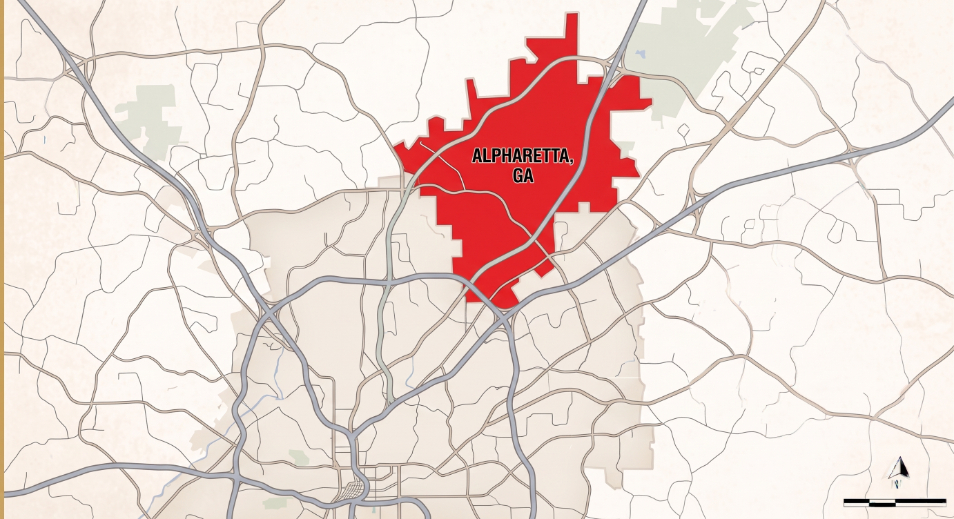
Crawl spaces cause problems that homeowners in Alpharetta often notice long before they understand the cause. Cold floors in winter, musty odors, and higher energy bills usually trace back to an uninsulated or poorly sealed crawl space. We insulate and seal crawl spaces to stop moisture, pests, and outside air from affecting your home’s comfort and efficiency.
Georgia’s climate puts extra stress on crawl spaces due to humidity and temperature swings throughout the year. Without proper insulation and a vapor barrier, moisture builds up and creates conditions for mold growth and wood rot. We address these issues directly, using methods suited to homes and commercial buildings in the Alpharetta area.
Our team has worked on crawl spaces throughout Georgia and understands the specific challenges local properties face. We focus on solutions that hold up over time, not quick fixes that need to be redone. If your crawl space is causing discomfort or driving up utility costs, we can help identify the cause and fix it.
We apply spray foam insulation across multiple areas of a structure, from crawl space walls to attics and commercial rooflines. Each application targets specific air leakage and moisture points that affect comfort, energy costs, and structural health.
We focus on two critical areas: the foundation walls and the rim joists where the floor framing meets the foundation. These spots are common sources of drafts, moisture intrusion, and energy loss.
Closed-cell spray foam creates an air seal directly on the foundation walls, blocking outside air from entering the crawl space. This differs from traditional fiberglass batts, which can sag, absorb moisture, and lose effectiveness over time.
At the rim joists, we apply foam to close small gaps that often go unnoticed but contribute significantly to heat transfer. Sealing this area also helps reduce pest entry points.
What we address:
Crawl spaces are one part of a larger insulation strategy for homes. We also insulate attics, exterior walls, and other areas where air leakage or temperature inconsistency occurs.
In attics, spray foam creates a continuous air barrier that reduces the transfer of heat during summer and winter months. This helps maintain more consistent indoor temperatures throughout the home.
For exterior walls, we apply foam during renovations or new construction to fill wall cavities completely, unlike batt insulation that can leave gaps around framing.
We assess each home individually since insulation needs vary based on age, construction type, and existing conditions. A 1970s ranch home requires a different approach than a newer two-story build.
GET A FREE QUOTECommercial buildings face different insulation demands due to larger square footage, varied occupancy schedules, and complex HVAC systems. We work with property managers and business owners to address these specific needs.
Spray foam application in commercial settings often targets roof decks, exterior walls, and mechanical rooms. Sealing these areas reduces the workload on heating and cooling systems, which can lower operating costs over time.
We also insulate crawl spaces beneath commercial buildings, particularly in retail spaces and small office buildings where moisture control affects both structural integrity and indoor air quality.
Common commercial applications include:
| Area | Purpose |
|---|---|
| Roof decks | Reduce heat transfer, prevent moisture buildup |
| Exterior walls | Improve thermal performance |
| Crawl spaces | Control moisture, prevent mold growth |
| Mechanical rooms | Stabilize equipment operating temperatures |
A properly insulated crawl space affects three areas of your property at once: how stable your indoor temperatures feel, how hard your HVAC system has to work, and how much moisture accumulates beneath your building. Each factor connects directly to your comfort and your monthly utility costs.
Air moves through gaps and uninsulated surfaces in your crawl space, which creates uneven temperatures on the floors above it.
We often find cold spots in living rooms and bedrooms that sit directly over an unsealed or poorly insulated crawl space. In commercial buildings, this shows up as inconsistent conditions between different rooms or floors.
When we insulate and seal your crawl space, we close off the pathway that outside air uses to affect your indoor climate. Floors feel warmer in winter and cooler in summer. Rooms above the crawl space match the temperature of the rest of your building instead of standing out as noticeably colder or warmer.
Your HVAC system works harder when conditioned air escapes through your crawl space or when outside air infiltrates it.
We see this constantly in older homes and buildings where the crawl space was never insulated to current standards. Your furnace and air conditioner run longer cycles to compensate for that loss, which drives up your energy bills.
Insulating your crawl space reduces this demand by creating a thermal barrier between your building and the ground below. Your system reaches your target temperature faster and maintains it with less effort. Over time, this translates into lower utility costs and less wear on your HVAC equipment.
Crawl spaces sit close to the ground, which makes them prone to humidity, standing water, and vapor intrusion from the soil.
We address this by combining insulation with a vapor barrier and, when needed, a drainage or dehumidification system. This keeps humidity levels stable and prevents water vapor from migrating into your subfloor or living space.
Common moisture-related issues we help prevent:
Controlling moisture at the source protects your building’s structure and supports better air quality throughout your home or commercial space.
An uninsulated crawl space affects far more than the room directly above it. In Alpharetta homes, we regularly see the same three issues develop when this space is left unprotected.
Without insulation, outside air moves freely between the crawl space and your living areas. This causes floors to feel cold, especially in kitchens and bathrooms located above uninsulated sections.
We often hear from homeowners who notice specific rooms are harder to heat or cool than others. This happens because conditioned air escapes through the floor while outside temperatures seep in.
The temperature difference between floor level and the rest of the room can be significant. In winter, this means:
Georgia’s humidity creates a specific problem for uninsulated crawl spaces. Warm, moist air enters the space and meets cooler surfaces, causing condensation to form on floor joists, subfloors, and ductwork.
This moisture doesn’t just disappear. Over time, it creates conditions that support mold growth and wood decay.
We’ve inspected crawl spaces where sustained moisture led to:
Issue | Result |
Condensation on wood | Rot and structural weakening |
Standing moisture | Mold colonization |
Damp insulation | Reduced effectiveness, sagging |
Left unaddressed, this moisture can also affect indoor air quality, since air from the crawl space often moves upward into living areas.
An uninsulated crawl space forces your HVAC system to work harder. Conditioned air escapes through the floor, and your system compensates by running longer cycles.
We’ve reviewed energy usage patterns in homes with this issue, and the pattern is consistent: higher monthly bills without a corresponding increase in comfort. Ductwork located in uninsulated crawl spaces also loses heated or cooled air before it reaches its destination.
This means your HVAC system isn’t just working harder—it’s working less efficiently. Over months and years, this added strain can shorten the lifespan of heating and cooling equipment.
We combine local knowledge, careful material selection, and quality workmanship to deliver crawl space insulation that performs reliably in Alpharetta’s climate.
We understand the specific conditions crawl spaces face in Alpharetta and the surrounding North Georgia area. Humidity levels, seasonal temperature swings, and clay soil composition all affect how moisture moves through a crawl space. Our team accounts for these regional factors when we assess a property. We know which neighborhoods tend to have higher groundwater tables and which homes are more prone to humidity buildup due to their age or foundation type. This local insight allows us to identify risks before they become larger issues. We don't apply a generic solution; we base our recommendations on what actually works in this region.
We select materials based on the specific needs of each crawl space, not a one-size-fits-all approach. Our team evaluates: Vapor barrier thickness needed for the moisture level present Insulation type suited to the space, including spray foam or batt options Sealant products rated for long-term durability in humid conditions We work with materials that meet current building performance standards. Each product we use is chosen for its ability to hold up in the specific environment of your crawl space, whether that's a residential foundation or a commercial structure. Material choice affects how long an insulation system lasts. We prioritize products that reduce the need for frequent repairs or replacement.
Our installation process is built around long-term results, not just a quick fix. We seal seams, corners, and penetration points carefully, since these areas are common failure points in crawl space systems. Every job follows a consistent process from inspection to final walkthrough. Our technicians are trained to identify existing moisture damage or structural issues before installation begins, so problems don't get sealed in and worsen over time. We stand behind the quality of our work. Attention to detail during installation is what separates a crawl space system that lasts for years from one that requires repeated repairs.

We follow a structured process from initial inspection through final review to ensure your crawl space gets the right insulation for your specific conditions. Each step is documented so you know exactly what work is being performed and why.
We start with a physical inspection of your crawl space to assess current conditions. This includes checking for moisture, standing water, mold, and existing insulation damage.
We measure humidity levels, inspect the vapor barrier (if one exists), and check for pest activity or rodent entry points. We also look at insulation type and R-value currently in place, if any.
Vents, ductwork, and exposed plumbing are examined for air leaks and condensation risk. We photograph problem areas and note structural issues like sagging insulation or damaged floor joists.
This evaluation determines whether moisture remediation needs to happen before insulation work begins.
Based on our findings, we provide a written scope of work outlining the recommended insulation type, coverage area, and any necessary prep work.
We explain our reasoning for each recommendation, whether it’s rigid foam board, spray foam, or a vapor barrier system. Pricing is broken down by task, so you can see what’s included:
We answer questions before work begins and confirm the timeline. No work starts until you approve the scope in writing.
Our crew installs materials according to the approved plan, following manufacturer specifications for spray foam application, board fastening, or vapor barrier sealing.
We seal seams, cover exposed foundation walls where specified, and address rim joists and vents as outlined in the scope. Work areas are kept clean throughout installation.
Once complete, we conduct a final walkthrough with you. We check insulation coverage, confirm seals are intact, and verify humidity readings have improved.
We provide documentation of the completed work, including photos, for your records.
Georgia Insulation serves homeowners and business owners across Alpharetta and the greater North Metro Atlanta region. Reaching out is straightforward, and our estimate process gives you clear answers before any work begins.
Getting started with Georgia Insulation begins with a straightforward evaluation of your crawl space. We inspect the current insulation condition, check for moisture or pest issues, and assess ventilation.
You can request an estimate by phone or through our online contact form. We’ll ask a few questions about your property, then schedule a convenient time for our team to visit.
During the visit, we measure the space, document existing conditions, and provide a written estimate. There’s no obligation to move forward after the evaluation. We believe in giving you accurate information so you can make an informed decision about your property’s insulation needs.
Homeowners in Alpharetta ask us about pricing, materials, and code compliance before committing to a crawl space project. Below, we answer the questions we hear most often.
Costs depend on the size of your crawl space, the insulation type you choose, and whether we need to address moisture issues first. We provide a detailed quote after inspecting your property, since every crawl space is different.
We typically recommend closed-cell spray foam for crawl space walls, since it seals gaps and blocks moisture in one application. Rigid foam board is another option we use, particularly for encapsulated crawl spaces.
Spray foam works well because it adheres directly to surfaces and creates an air seal. This reduces the chance of gaps that let in humid air or pests.
Georgia’s climate zone requires an R-value between R-13 and R-19 for crawl space walls, depending on your specific location. We confirm the exact requirement for your home based on local building codes.
Yes. Sealing and insulating your crawl space reduces the amount of conditioned air that escapes through the floor system, which can lower heating and cooling costs.
Yes, Georgia building codes set minimum insulation and moisture control standards for crawl spaces. We install all our systems to meet or exceed these requirements.