Sunken concrete around your home or business is more than a cosmetic issue. Cracked sidewalks, uneven driveways, and shifting patios create tripping hazards and signal deeper problems with the soil beneath your property. We provide concrete lifting services in Warner Robins, GA that raise and stabilize sunken slabs without the cost and disruption of full replacement.
At Georgia Insulation, we use polyurethane foam injection to lift concrete back to its original position. This process works on driveways, walkways, patios, garage floors, and commercial slabs throughout Warner Robins and the surrounding areas.
We understand that homeowners and business owners want solutions that are efficient and built to last. Our approach addresses the underlying soil issues that cause concrete to sink, giving you a repair that holds up over time.
Sunken concrete around Warner Robins properties creates safety hazards, drainage problems, and structural stress that worsen over time. We often see these issues start small and escalate into costly repairs when left unaddressed.
Soil conditions in Middle Georgia contribute heavily to slab settlement. We identify several recurring causes:
Any of these factors can cause a slab to lose its foundation. Once soil support disappears, the concrete above has nowhere to go but down.
We recommend watching for specific warning signs before problems worsen.
Visible gaps between slab sections or along foundation walls indicate settlement in progress. Water pooling in low spots after rain often points to uneven grading beneath the surface.
Cracks that widen over several months, rather than staying static, suggest ongoing movement. Doors or gates that no longer close properly near a slab edge can signal shifting below ground.
Trip hazards from raised or dipped slab edges pose immediate safety concerns for both homeowners and business owners.
We treat every concrete surface differently based on its location, use, and exposure to soil movement. Below is how we approach lifting and leveling for the most common areas we work on in Warner Robins and surrounding communities.
Driveways and sidewalks take on daily traffic and constant weather exposure, which makes them prone to sinking and cracking over time.
We inject polyurethane foam beneath the affected sections to fill voids and raise the slab back to its original position. This process typically takes just a few hours per section, with no heavy equipment tearing up your yard.
Patios face similar issues, especially where soil erosion or poor compaction has occurred underneath. We stabilize the base first, then lift the slab evenly to remove trip hazards and standing water problems.
Our team matches injection points to the specific pattern of settling we observe, rather than using a one-size-fits-all approach.
Pool decks require extra care because of their proximity to water and the added weight of pool equipment or coping stones.
We use foam that resists moisture intrusion, which helps prevent the same settling issues from returning. Porches often settle unevenly where they connect to the home’s foundation, creating gaps that let in pests and water.
Our lifting process closes these gaps and restores a level connection between the porch and the structure.
Garage floors carry vehicle weight daily, so we focus on:
This keeps garage doors sealing properly and prevents further cracking under load.
Commercial properties face liability concerns when walkways or entry areas settle unevenly. We work with business owners to schedule lifting projects during low-traffic hours or after business hours when possible.
Entry areas near doorways often show the most wear because of concentrated foot traffic and moisture runoff. We address these zones with targeted injections that restore a flat, safe surface for customers and employees.
For larger commercial walkways, we section the work into manageable areas so foot traffic can continue in unaffected zones while we complete repairs elsewhere.
Leveling sunken or uneven concrete solves more than a cosmetic problem. It addresses safety hazards, protects your budget, and gets your property back to normal function without a lengthy renovation.
Uneven concrete creates trip hazards on walkways, patios, driveways, and garage floors. We see this most often at slab joints, where one side has settled lower than the other.
For homeowners with children or older family members, this risk matters. The same goes for business owners who need to protect customers and employees from slip-and-fall incidents.
Restoring a level surface removes these tripping points and creates a smoother, more predictable walking path. Wheelchairs, walkers, strollers, and hand trucks all move more easily across a flat surface.
We also find that leveled concrete improves drainage. Water that once pooled in low spots now flows away from the structure as intended, reducing the chance of ice buildup in colder months.
Replacing a sunken concrete slab involves demolition, disposal, and new material costs. We typically see full replacement run several times higher than lifting the existing slab.
Concrete lifting works with the slab you already have. Instead of breaking it out, we raise it back into position and fill the voids beneath it.
Here’s how the two options generally compare:
Factor | Concrete Lifting | Full Replacement |
Material cost | Lower | Higher |
Labor time | Hours | Days |
Landscaping disruption | Minimal | Extensive |
Curing/downtime | Little to none | Days to weeks |
This approach also preserves the surrounding landscaping, hardscaping, and structures that would otherwise be disturbed during a full tear-out.
Most concrete lifting jobs are completed in a matter of hours, not days. We inject material beneath the slab, which fills voids and raises the concrete back to its original position.
There’s no jackhammering, no large equipment tearing up your yard, and no waiting for new concrete to cure. The surface can typically be used again shortly after the work is finished.
This matters for business owners who can’t afford extended closures. It matters just as much for homeowners who don’t want their driveway or patio out of commission for an extended period.
We combine local knowledge with technical accuracy, so every concrete lifting project reflects the specific soil and drainage conditions found around Warner Robins. Our assessments and recommendations are built on evidence, not guesswork.
We understand the soil composition and moisture patterns common throughout Warner Robins and Middle Georgia. Clay-heavy soil and seasonal rainfall create specific settlement patterns that differ from other regions. Our team has worked on homes and commercial properties across this area. We recognize how foundation age, soil type, and drainage setup affect concrete stability over time. This local experience helps us identify the actual cause of sinking or uneven concrete. We don't apply generic solutions; we base our approach on conditions specific to your property and its location.
Every project starts with a straightforward inspection of the affected concrete area, where we check the depth and extent of settlement, signs of soil erosion or drainage issues, structural cracks or separation points, and surrounding grade and moisture patterns. We explain our findings in plain terms, so you'll know exactly what caused the problem and what the repair process involves before any work begins. Our recommendations focus on what your property actually needs, and we don't upsell unnecessary services or overstate risks; instead, we provide an honest assessment and a clear plan so you can make an informed decision about your repair.
We follow a structured process for every concrete lifting project. This approach lets us identify the exact cause of settlement and apply the right amount of material for a stable, level result.
We begin with a thorough inspection of the affected concrete. Our team checks the extent of settling, looks for cracks, and evaluates the soil conditions beneath the slab.
We also ask about the history of the problem. Has the area flooded before? Is there a drainage issue nearby?
This information helps us map out injection points and estimate how much polyurethane foam is needed. We explain our findings and give a clear plan before any work begins.
What we assess:
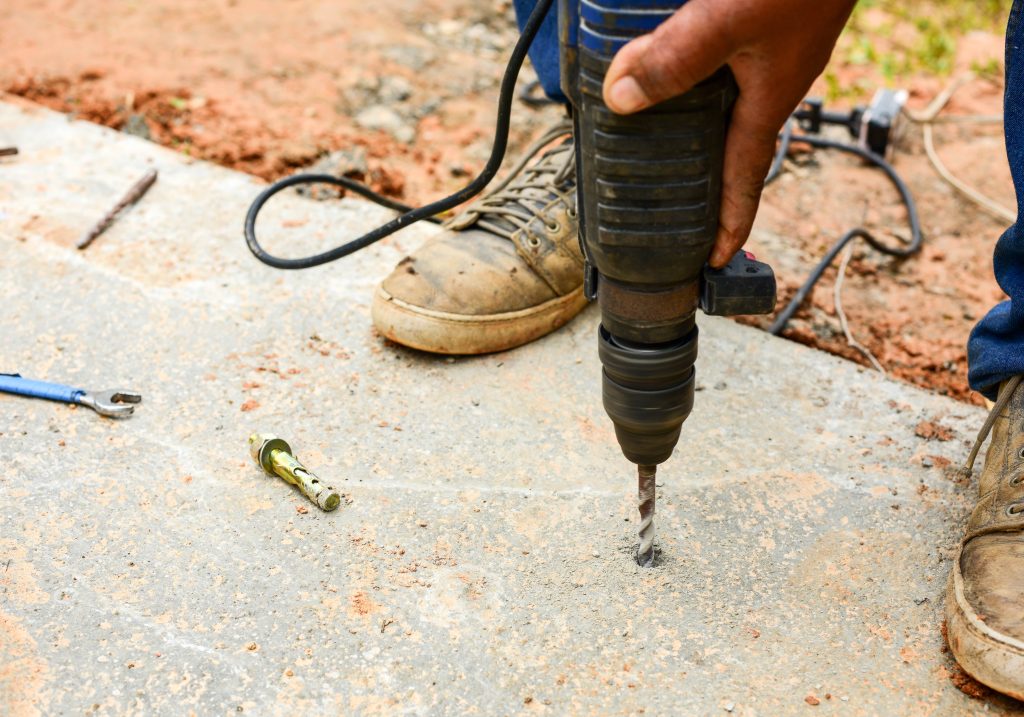
Once the plan is set, we drill small holes into the concrete at the marked injection points. We then inject expanding polyurethane foam beneath the slab.
The foam fills voids and gently raises the concrete back to its original position. We monitor the lift in real time to avoid over-correcting the surface.
After the concrete reaches the target level, we seal the injection holes. We then check the slope, stability, and overall finish before considering the job complete.
Our team walks the area one final time. This step confirms the surface is safe and functions as intended.
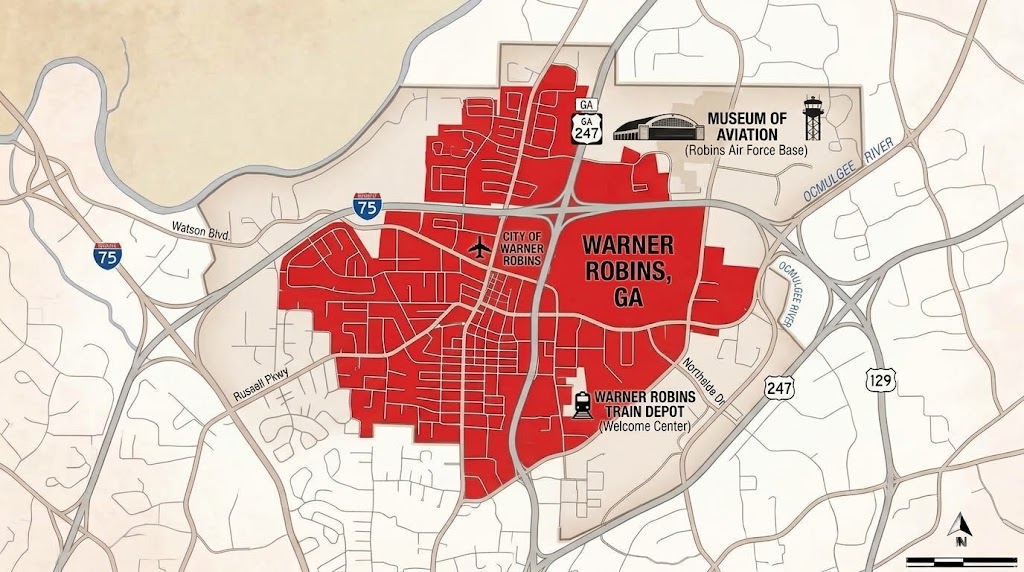
We provide concrete lifting services throughout Warner Robins, Georgia. Our team also works in nearby communities, including Perry, Byron, Centerville, and Bonaire.
We understand the local soil composition and climate patterns common to Middle Georgia. This regional knowledge helps us anticipate settlement issues specific to the area.
Homeowners and business owners across these communities rely on us for driveway, sidewalk, and patio repairs. We schedule projects based on location to keep response times efficient.
Georgia Insulation provides concrete lifting services to homeowners and business owners throughout Warner Robins, GA, and the surrounding communities. We understand the local soil conditions and weather patterns that can cause concrete to shift, and we bring that knowledge to every job site.
We offer inspections for properties throughout our service area. During this visit, we examine the affected concrete, assess the soil conditions beneath it, and identify the likely cause of settling or unevenness.
We recommend scheduling an evaluation as soon as you notice sinking or shifting concrete, since delays can allow the underlying soil issue to worsen.
Homeowners and business owners in Warner Robins often have similar questions about concrete lifting before scheduling a project. Below, we answer the most common ones about timing, cost, durability, and what to expect.
Look for visible gaps between slabs, uneven surfaces, or sections that have sunk below neighboring concrete. Cracks that widen over time, water pooling in certain spots, or doors and gates that no longer close properly near a slab are also signs.
If you notice a trip hazard on a walkway or driveway, that’s a clear indicator the slab has shifted. We inspect the affected area and measure the degree of settling before recommending a solution.
Soil erosion underneath the slab is the primary cause. This happens due to poor compaction during the original installation, heavy rainfall washing soil away, or plumbing leaks saturating the ground below.
Tree roots absorbing moisture from the soil can also create voids. In Georgia’s clay-heavy soil, seasonal expansion and contraction adds another layer of movement that contributes to settling.
Most residential jobs are completed in a few hours to one day, depending on the size and number of slabs involved. Larger commercial projects, such as parking lots or loading docks, may take one to two days.
We provide a specific time estimate after assessing the slab size and the extent of the settling during our on-site evaluation.
Yes. Once we complete the lifting process, the slab is stabilized and ready to support the same loads it was originally designed for, including cars, trucks, and heavy equipment.
We verify the slab’s stability before finishing the job, so driveways, parking areas, and commercial pads are safe for immediate use.
In most cases, yes. Lifting existing concrete costs less than removing and pouring a new slab, since it avoids demolition, disposal, and full material replacement.
The exact savings depend on the size of the area and the extent of the damage, which we outline in a written estimate before work begins.
Yes. We work on parking lots, loading docks, warehouse floors, and other commercial concrete surfaces for business owners throughout the area.