

Sunken concrete around your Peachtree City home or business signals soil erosion, poor compaction, or drainage problems beneath the slab. Georgia Insulation repairs and levels sunken concrete through polyurethane foam injection, a process that lifts slabs back to their original position without full replacement. We work on driveways, sidewalks, patios, garage floors, and commercial surfaces throughout Peachtree City and the surrounding area.
Uneven concrete creates trip hazards, water pooling, and structural stress that worsens over time if left unaddressed. We address these issues directly at the source, restoring stability while avoiding the cost and disruption of tearing out and pouring new concrete.
This guide covers where concrete lifting applies across residential and commercial properties, the benefits it provides, the risks of delaying repairs, and what our process looks like from start to finish.
Polyurethane foam lifting applies to most residential and commercial concrete surfaces that have settled, sunk, or shifted due to soil movement. We work on everything from small walkways to large commercial slabs, and the process adjusts based on the size and load requirements of each surface.
We regularly lift and level driveways that have sunk due to erosion or poor soil compaction beneath the slab. Walkways and patios respond well to this process too, since foam injection corrects trip hazards without disturbing surrounding landscaping.
Garage floors often settle unevenly near the slab edges, and we address this with targeted injection points. Here's what we typically lift:
Each of these surfaces benefits from minimal disruption to the yard or landscaping during the lift.
Commercial properties face similar settling issues, but the surfaces often carry heavier loads and higher foot traffic. We lift sidewalks and walkways around office buildings, retail centers, and parking lots where uneven concrete creates liability concerns for business owners.
Loading dock areas and warehouse slabs require precise leveling since forklifts and delivery trucks depend on flat surfaces for safe operation. We assess the weight requirements for each commercial application before starting injection work.
Parking lot sections near entrances or drainage areas also qualify for this process when settling occurs. Our technicians evaluate traffic patterns and load demands to determine the right foam density for each project.
Yes, we lift commercial floors regularly, including warehouse interiors, retail storefronts, and industrial facility slabs. The foam injection process works on both exterior and interior commercial concrete, provided the slab structure can support the lifting procedure.
We evaluate factors like slab thickness, existing damage, and soil conditions before beginning any commercial project. Heavier equipment areas may require a higher-density foam formulation to handle sustained weight loads over time.
Most commercial floors complete the lifting process within a single day, minimizing downtime for business operations.
Sunken or uneven concrete signals movement beneath the slab, and that movement doesn’t resolve on its own. We find that acting early keeps small issues from becoming expensive structural repairs.
Uneven concrete creates trip hazards on walkways, steps, and patios. We regularly see minor height differences cause falls that result in real injuries and liability concerns for property owners.
Poor drainage is another consequence of settled slabs. Water pools in low spots instead of flowing away from the foundation, which can lead to:
We lift and level concrete to restore proper slope, directing water where it belongs. This protects your foundation and keeps walking surfaces even and predictable for everyone who uses them.
Delaying repair allows the underlying cause—soil erosion, poor compaction, or moisture changes—to keep progressing. We often see a small, one-inch dip grow into a multi-inch drop within a year or two.
As the gap widens, so does the cost. Polyurethane foam injection becomes less effective on severely displaced slabs, and full replacement may become the only remaining option.
Waiting also increases risk exposure. A minor trip hazard today can become a liability claim tomorrow, especially for business owners with customer foot traffic. We recommend scheduling an evaluation as soon as unevenness is noticeable.
We bring direct experience in concrete lifting and foam injection to every property we assess, and we back our estimates with clear, specific information rather than vague pricing ranges.
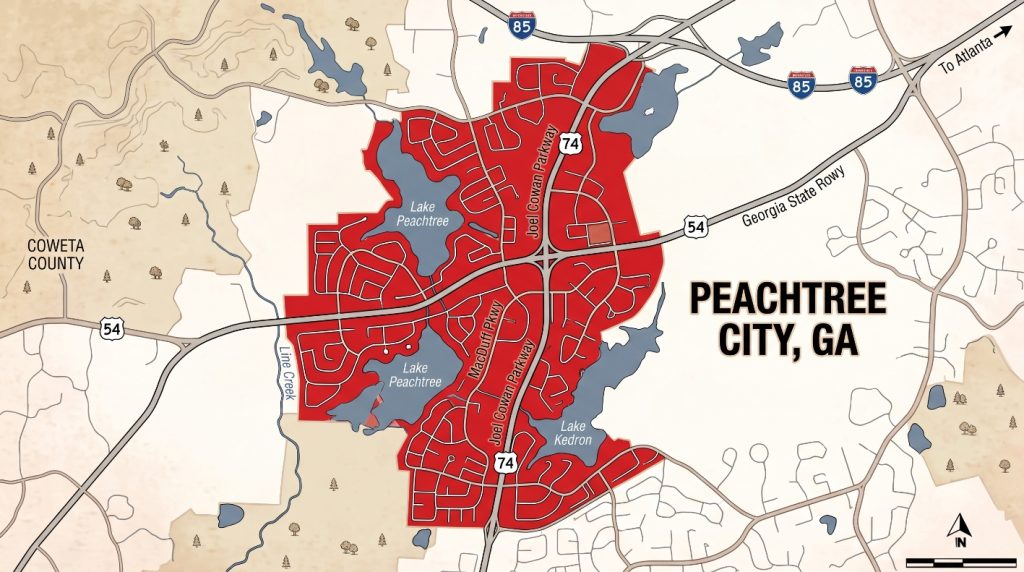
We serve Peachtree City, Fayetteville, Newnan, and the greater Atlanta area. Our crews understand local soil and climate conditions that contribute to concrete settling and provide efficient scheduling with shorter wait times.
We inspect each slab to identify the cause of settling, such as soil erosion, poor compaction, or drainage issues. We explain our findings, recommend the appropriate lifting method, and provide a written estimate outlining the scope, materials, and cost before work begins.
Request an estimate by phone or online, describe the affected area, and schedule an inspection. We'll assess the settling, provide a written estimate with our recommended solution, and answer your questions with no obligation to proceed.
We follow a structured process that minimizes disruption to your property while delivering measurable, lasting results. Each step builds on the last, from identifying the cause of settlement to confirming the slab sits level again.
We start by examining the affected slab to determine the extent of settlement and locate voids beneath the surface. This includes checking for cracking patterns, measuring the degree of unevenness, and assessing soil conditions around the area.
Our team uses this information to map out where injection points need to be placed. We also look for signs of water intrusion or erosion, since these often explain why the void formed in the first place.
This step tells us exactly how much lifting the slab requires and where the foam needs to go. Skipping this stage leads to guesswork, which is why we treat it as the foundation of the entire job.
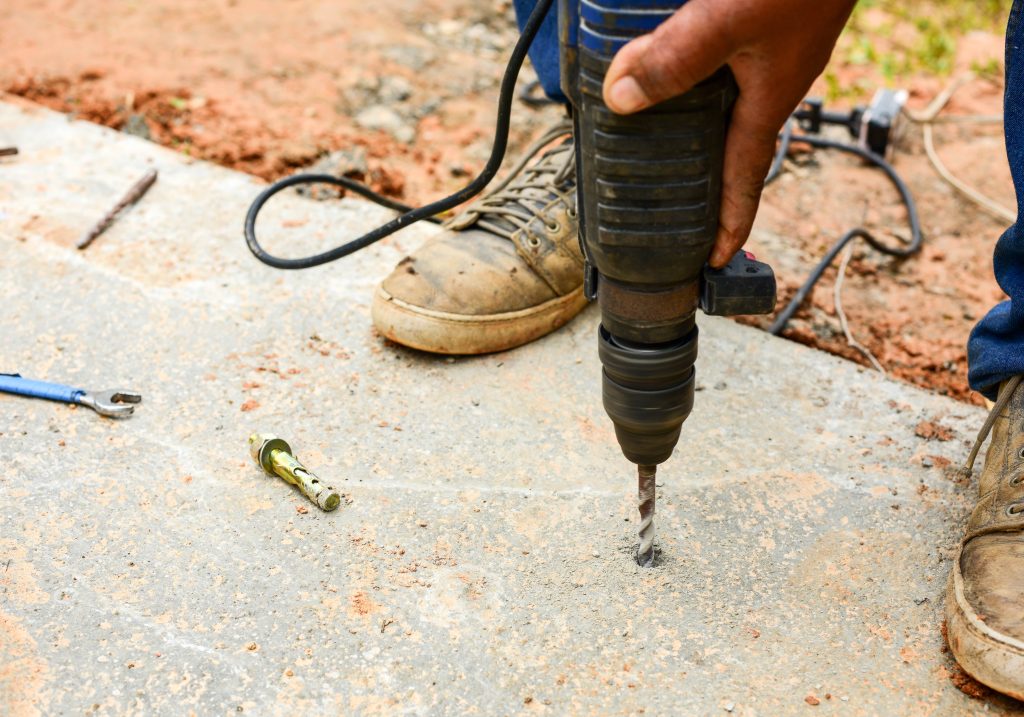
We drill small holes, typically about 5/8 inch in diameter, at strategic points across the slab. Through these holes, we inject a two-part polyurethane foam that expands rapidly once it reaches the void space.
The foam fills gaps and compacts loose soil as it expands, creating a stable base beneath the concrete. As pressure builds, the slab begins to rise in a controlled, gradual manner.
We monitor this process closely to avoid over-lifting or applying uneven pressure. Our technicians adjust injection points as needed, working section by section until the slab reaches the correct position.
Once the foam has lifted the slab, we measure the surface to confirm it matches the surrounding concrete. We use standard leveling tools to check for consistency across the entire repaired area.
If any section needs further adjustment, we address it before moving forward. After confirming the slab is level, we fill the small access holes with a matching concrete patch.
This patch cures quickly and blends with the surrounding surface. The result is a slab that looks consistent and sits flush, without visible signs of the repair process.
Most residential concrete lifting projects take between one and three hours, depending on the size of the slab and the extent of settlement. Larger commercial areas or slabs with multiple voids may take longer.
The foam cures within 15 minutes, which means the surface is typically ready for foot traffic shortly after the job finishes. Vehicle traffic usually requires a short waiting period, which we’ll specify based on your project.
We provide a clear time estimate during the inspection, so you know what to expect before work begins.
We provide concrete lifting in Peachtree City, GA and surrounding areas, helping restore uneven driveways, sidewalks, patios, pool decks, and commercial concrete surfaces.
We offer inspections for properties throughout our service area. During this visit, we examine the affected concrete, assess the soil conditions beneath it, and identify the likely cause of settling or unevenness.
We recommend scheduling an evaluation as soon as you notice sinking or shifting concrete, since delays can allow the underlying soil issue to worsen.
Here are answers to the questions we hear most often from homeowners and business owners in Peachtree City considering concrete lifting.
We drill small holes, typically the size of a dime, into the affected concrete slab. Through these holes, we inject a high-density polyurethane foam that expands beneath the surface. As the foam expands, it fills voids and raises the slab back to its original position.
Cost depends on the size of the slab, the extent of settlement, and the number of injection points needed. We provide a free, no-obligation estimate after assessing your specific project. In most cases, concrete lifting costs less than full slab replacement.
We lift driveways, sidewalks, patios, garage floors, and pool decks for homeowners. For business owners, we work on parking lots, loading docks, warehouse floors, and walkways. Our team evaluates each slab type to confirm it’s a good candidate for foam injection.
Most residential projects take a few hours to complete in a single day. Larger commercial jobs may take longer depending on the square footage involved. We can walk you through a project timeline during your initial consultation.
Polyurethane foam does not break down, wash away, or shrink over time. Many lifted slabs remain stable for 10 years or more. Results depend on soil conditions and how the surrounding ground is maintained after the lift.
Yes. We use commercial-grade equipment and materials designed for precise, controlled lifting. DIY kits often lack the pressure control and foam density needed to lift slabs evenly, which can lead to uneven results or further cracking.