Cracked driveways, sinking patios, and uneven walkways are common problems for homeowners and business owners across Marietta, GA. Concrete lifting is a repair method that raises and stabilizes sunken concrete slabs by injecting material beneath them, restoring the surface to its original position without the cost of full replacement.
At Georgia Insulation, we address these issues using proven techniques suited to residential driveways, commercial parking lots, and everything in between. Sunken or uneven concrete is often a sign of soil erosion or poor compaction below the surface, and left unaddressed, it can lead to safety hazards and further structural damage.
We serve property owners throughout Marietta and the surrounding areas, offering a practical alternative to tearing out and repouring concrete. Our approach saves time, reduces cost, and gets your property back to a safe, functional condition.
Sunken concrete is caused by voids or loose soil beneath the slab, and polyurethane foam fixes this by filling those gaps and raising the surface back into place. We use this method on both residential and commercial properties because it is fast, minimally invasive, and produces results that hold up over time.
We commonly lift sunken driveways, sidewalks, patios, and garage floors using polyurethane foam injection. These areas settle due to soil erosion, poor compaction, or water intrusion under the slab.
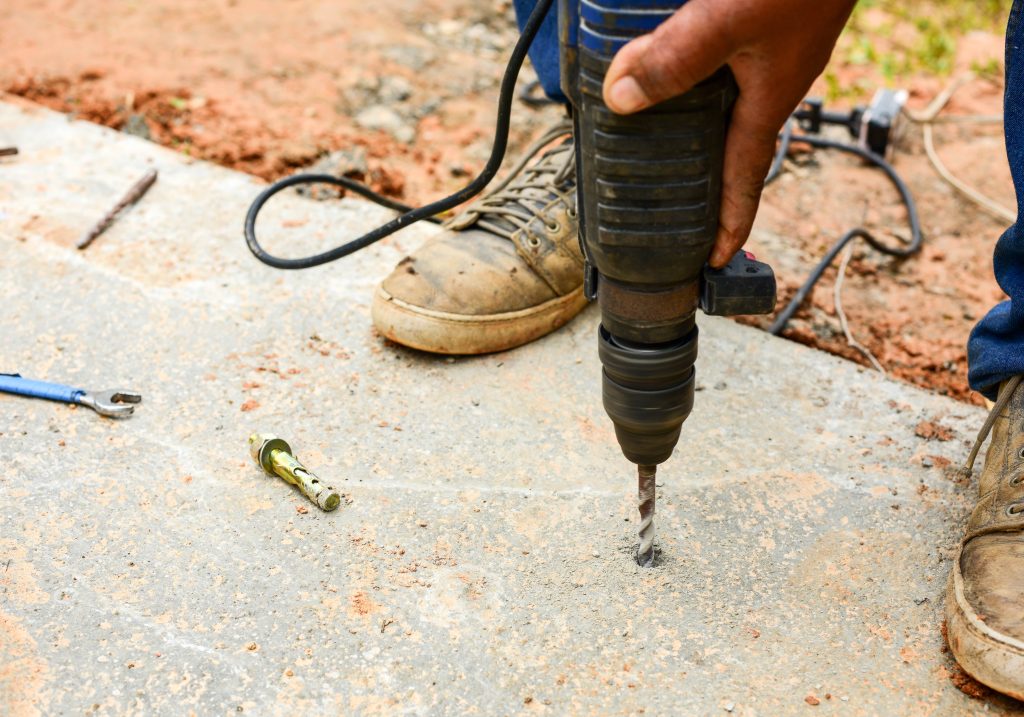
Our process involves drilling small, dime-sized holes into the affected concrete. We then inject expanding foam through these holes to fill voids and raise the slab to its original position.
The foam sets within 15 minutes, which means we can typically finish a residential job in a single day. Homeowners can walk on treated surfaces and use driveways again shortly after we complete the work.
GET A FREE QUOTECommercial properties face similar settling issues, but often on a larger scale. Warehouse floors, loading docks, parking areas, and walkways all experience heavy, repeated loads that can worsen existing voids beneath the slab.
We address these issues with the same polyurethane injection method, adjusted for the scope of commercial spaces. Our foam is dense enough to support the weight of vehicles, forklifts, and heavy foot traffic once cured.
Because business operations often cannot pause for extended repairs, we work to complete commercial lifting projects with minimal disruption. Most areas can return to normal use the same day.
GET A FREE QUOTEWe control the lifting process through small, strategically placed injection points rather than large holes or excavation. This allows us to raise the slab in controlled increments, avoiding overcorrection or cracking.
Our injection process includes:
The foam we use expands to fill irregular voids completely, which stabilizes the soil and prevents future settling in that area. This method targets the specific cause of sinking rather than masking the symptom.
GET A FREE QUOTEConcrete lifting solves sinking, uneven, and cracked slabs without the wait, mess, or expense of full replacement. Property owners in Marietta and surrounding areas gain a repair that restores function quickly while protecting the condition of their landscaping and outdoor spaces.
We use polyurethane foam injection because it cures within 15 minutes of application. This means the repaired surface can typically support foot traffic and vehicle weight the same day.
Traditional concrete replacement requires a curing period of several days to weeks before the area is usable again. For homeowners with a single driveway or business owners who rely on a parking lot for customer access, that downtime translates to lost convenience or lost revenue.
Our lifting process avoids this problem. We complete most residential jobs in a few hours, allowing property owners to resume normal use of walkways, patios, and driveways almost immediately.
Concrete lifting requires drilling small holes, typically the size of a dime, into the existing slab. We inject foam through these holes to raise the concrete back into position.
This approach differs significantly from replacement, which involves breaking up the old slab, removing debris, and pouring new concrete. That process generates noise, dust, and heavy equipment traffic on the property for multiple days.
Our method leaves the surrounding lawn, mulch beds, and hardscaping intact. Once the injection is complete, we seal the small holes, and there is no large-scale debris to haul away or landscaping to repair afterward.
Uneven concrete creates trip hazards on walkways, steps, and patios. It also disrupts proper water flow, which can direct runoff toward a foundation instead of away from it.
We correct the slope and level of the slab during the lifting process. This addresses both concerns at once:
For commercial properties, this reduces liability exposure related to slip-and-fall incidents on parking lots or entryways.
Uneven concrete does more than affect curb appeal. It creates safety risks, invites water damage, and often signals problems that worsen over time if left unaddressed.
Sunken or lifted concrete sections create unexpected height differences that catch feet and cause falls. Even a half-inch difference between slabs can be enough to trip someone.
For homeowners, this means added risk for family members, guests, and delivery workers walking across driveways or walkways. For business owners, the stakes are higher.
We often see commercial properties face liability claims when customers or employees are injured on uneven parking lots, sidewalks, or entryways. Insurance costs can rise after an incident, and repeated issues may lead to legal action.
Correcting these height differences reduces the chance of falls and helps property owners meet basic safety expectations.
When concrete slabs near a home or building settle unevenly, they can direct water toward the foundation instead of away from it. This happens most often with patios, walkways, and driveways that were originally sloped for drainage.
Water pooling against a foundation wall can lead to:
Over months and years, this moisture exposure can contribute to foundation cracking or shifting. We find that correcting the slope of nearby concrete is one of the more direct ways to reduce water-related foundation issues.
Uneven concrete rarely stays the same. As sections continue to settle or shift, existing cracks widen and new ones form.
This happens because the slab no longer has even support underneath it. Weight from vehicles, foot traffic, or furniture concentrates on unsupported areas, accelerating the damage.
Small cracks can grow into larger structural issues, including:
Addressing unevenness early helps limit crack progression and reduces the likelihood of needing a full slab replacement later.
We combine decades of local experience with practical solutions built for both homes and businesses. Our process is transparent, and our recommendations are based on what your property actually needs.
We have worked in Marietta and the surrounding Georgia counties for years, giving us direct knowledge of local soil conditions and how they affect concrete slabs. Georgia's clay-heavy soil expands and contracts with moisture changes, which contributes to sinking driveways, walkways, and foundations. We understand these patterns and factor them into every job. Our founder, Ted Medford, brings over 35 years of experience in the insulation and building industry. That background carries over into how we assess and approach concrete lifting projects. We are familiar with the region's climate, drainage patterns, and common construction practices. This local knowledge helps us identify the root cause of concrete settling rather than just treating the surface issue.
We provide concrete lifting services for both residential and commercial properties, including driveways, sidewalks, patios, garage floors, pool decks, parking lots, loading docks, warehouse floors, and walkways. Each property has different demands, so we adjust our approach based on the slab’s use, size, condition, and the load it needs to support. A commercial parking lot may need to handle consistent vehicle traffic, while a residential patio may only need to support foot traffic and outdoor furniture. Our team evaluates each application before recommending a lifting method, ensuring homeowners and business owners receive a solution matched to their property’s specific requirements rather than a one-size-fits-all fix.

We give straightforward assessments of your concrete's condition. If lifting is the right fix, we explain why. If a different repair makes more sense, we tell you that too. Our team walks you through the process before work begins, including what to expect, how long it will take, and what the results will look like. We do not use pressure tactics or inflate the scope of a project. Our goal is to provide accurate information so you can make an informed decision about your property. Every job is handled by trained professionals who follow consistent procedures. This keeps the process predictable and the results reliable across residential and commercial properties alike.
A concrete lifting project moves through three clear phases: assessment, injection, and follow-up care. Each step is designed to keep the process efficient while giving you full visibility into what’s happening beneath the surface.
We start with a detailed inspection of the affected slab. We check for the depth and pattern of settling, examine surrounding drainage, and note any nearby utility lines or structural features that could affect our approach.
This step tells us why the concrete settled in the first place. Common causes include soil erosion, poor compaction during the original pour, or water intrusion under the slab.
Based on our findings, we map out injection points across the slab. We also set target lift heights so the surface matches the surrounding grade once we’re finished.
We drill small holes, typically the size of a dime, at the planned injection points. Through these holes, we pump a high-density polyurethane foam beneath the slab.
The foam expands within minutes, filling voids and gradually raising the concrete. We monitor the lift closely, using levels and gauges to track movement in real time.
We work in small, controlled increments rather than forcing a full lift at once. This reduces the risk of overcorrection or new cracking.
Most slabs reach their target height within a few hours, depending on size and the extent of settling.
Once the slab reaches the correct level, we seal the injection holes with a matching concrete patch. We then re-check the surface with a level to confirm consistent grading across the entire area.
We walk the site with you to review the results and point out any drainage adjustments that may help prevent future settling.
Here’s what you can expect immediately after:
We also provide guidance on maintaining proper drainage around the slab, since standing water is one of the leading causes of repeat settling.
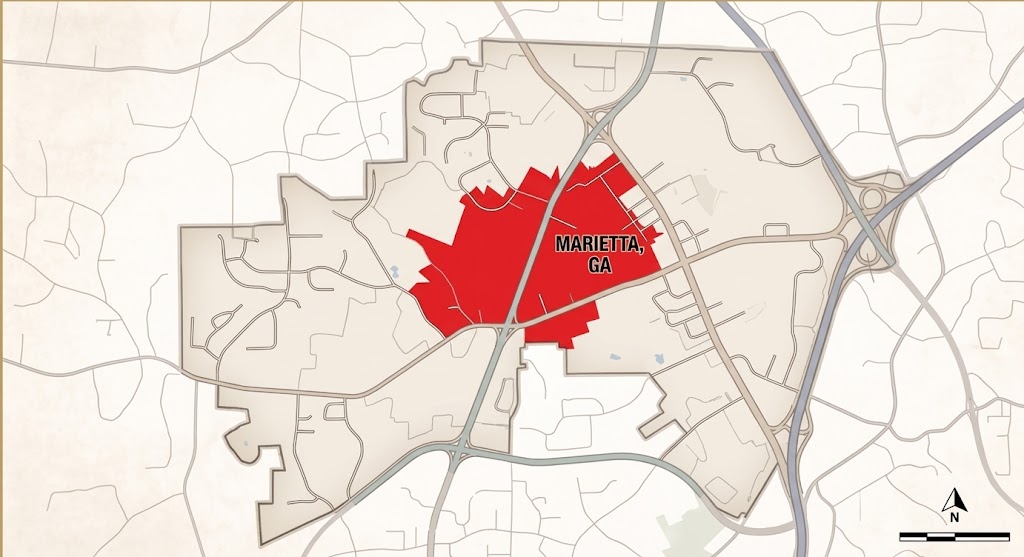
Georgia Insulation provides concrete lifting services to homeowners and business owners throughout Cobb County and the greater Metro Atlanta region. We understand the local soil conditions and weather patterns that cause concrete to shift, and we bring that knowledge to every job site.
We offer inspections for properties throughout our service area. During this visit, we examine the affected concrete, assess the soil conditions beneath it, and identify the likely cause of settling or unevenness.
We recommend scheduling an evaluation as soon as you notice sinking or shifting concrete, since delays can allow the underlying soil issue to worsen.
Here are answers to common questions homeowners and business owners ask about concrete lifting in Marietta, GA and the surrounding areas.
Most residential jobs take a few hours to complete in a single visit. Larger commercial slabs may take a full day, depending on square footage and the extent of settling.
Yes. We inject material beneath the slab to fill voids and lift the concrete back into position, avoiding the cost and disruption of demolition.
Soil erosion, poor drainage, tree root growth, and inadequate soil compaction during the original installation are common causes. Freeze-thaw cycles can also contribute over time.
Yes. The lifting process is designed to work on driveways, sidewalks, patios, and other high-traffic surfaces without compromising their structural integrity.
Results are long-lasting when the underlying cause of settling has been addressed. We evaluate soil and drainage conditions before starting the work to reduce the chance of future sinking.
Yes. We work on parking lots, loading docks, warehouse floors, and other commercial concrete surfaces for business owners throughout the area.