Business owners in Smyrna, GA lose money every day their commercial building sits poorly insulated. Rising energy bills, inconsistent temperatures, and strain on HVAC systems all point back to the same issue: inadequate insulation.
Georgia Insulation provides commercial insulation services designed to solve these problems, helping businesses control energy costs and maintain a stable working environment. We work with warehouses, offices, retail spaces, and industrial facilities throughout Smyrna and the surrounding area.
Our team understands the specific demands commercial properties place on insulation systems. This page explains how our services address those demands, what the process looks like, and why proper insulation matters for your bottom line.
Spray foam performs differently depending on where we apply it. Each area of a commercial building presents its own airflow patterns, temperature ranges, and structural considerations, and we adjust our approach accordingly.
Roofs and attics are often the largest source of heat gain and loss in a commercial building. We apply spray foam directly to the underside of the roof deck, creating a continuous air barrier that blocks heat transfer year-round.
This method also helps prevent moisture buildup, which reduces the risk of mold and wood rot. Unlike traditional insulation, spray foam adheres tightly to irregular surfaces and structural framing.
We commonly use closed-cell foam in these applications because of its higher R-value per inch and moisture resistance. For flat or low-slope commercial roofs, this approach can extend the lifespan of the roofing system by reducing thermal stress.
GET A FREE QUOTEExterior walls experience constant temperature shifts between indoor and outdoor air. We fill wall cavities with spray foam to eliminate gaps that allow drafts, dust, and humidity to pass through.
This creates a more stable indoor environment and reduces strain on HVAC systems. Spray foam also adds rigidity to wall assemblies, which can improve resistance to wind and impact.
We work around electrical conduits, plumbing lines, and structural supports without compromising the wall's insulating performance. For buildings with masonry or metal stud framing, this application is particularly effective at closing thermal bridges that standard batt insulation cannot address.
GET A FREE QUOTEMetal buildings and warehouses face unique insulation challenges due to their large surface areas and metal panel construction, which conducts heat and cold rapidly. We apply spray foam directly to metal roof and wall panels to stop this conductive transfer.
This reduces condensation, which is a common issue in metal structures that leads to rust and material degradation. Spray foam also dampens exterior noise, which matters in warehouses located near busy roads or rail lines.
Mechanical rooms, crawl spaces, and areas around HVAC equipment often get overlooked during insulation projects. We use spray foam's expanding properties to reach tight corners, pipe penetrations, and irregular framing that rigid insulation cannot cover.
This matters because uninsulated mechanical areas can lose significant energy through gaps around ductwork and equipment housings. Sealing these spaces also limits pest entry points, since spray foam closes small openings that insects and rodents use to get inside.
We pay close attention to clearance requirements around heat-generating equipment to maintain safety while still achieving full coverage.
GET A FREE QUOTEA well-insulated commercial building directly affects your operating budget, tenant satisfaction, and long-term asset value. Here’s how upgrading your building envelope translates into measurable business advantages.
Heating and cooling typically account for a significant portion of a commercial building’s utility expenses. When we install spray foam insulation, we reduce the amount of conditioned air escaping through walls, roofs, and gaps around penetrations.
This means your HVAC system doesn’t have to work as hard to maintain set temperatures. Over time, this translates into lower monthly utility bills.
We often see business owners recoup their insulation investment through sustained energy savings within a few years. The exact timeline depends on your building’s size, current insulation levels, and local energy rates.
Uneven temperatures and drafts are common complaints in commercial spaces with poor insulation. We address these issues by sealing gaps and creating a continuous thermal barrier around your building envelope.
Employees and customers notice the difference. Rooms near exterior walls no longer feel colder in winter or warmer in summer compared to interior spaces.
Consistent indoor temperatures also reduce the strain on individual thermostats and zone-specific HVAC units. This can extend equipment lifespan and reduce maintenance calls.
Spray foam insulation acts as both an insulator and an air barrier, which limits moisture infiltration into wall cavities and roof assemblies. We pay close attention to this dual function because unmanaged moisture leads to mold growth, wood rot, and compromised structural materials.
Proper air sealing also reduces the entry of outdoor pollutants, dust, and allergens. This matters for buildings with strict indoor air quality requirements, such as medical offices or food service establishments.
Key moisture control benefits:
Insulation quality affects more than short-term comfort. It plays a role in how well your building materials hold up over years of use.
We install insulation that helps regulate temperature swings, which reduces stress on roofing membranes, framing, and finishes. This can lower the frequency of certain repairs tied to thermal expansion and contraction.
A properly insulated envelope also supports compliance with current energy codes, which matters if you plan to sell, lease, or refinance the property. Buildings with documented energy efficiency improvements often present better to potential buyers or tenants during due diligence.
Skipping proper insulation doesn’t just affect comfort. It creates measurable financial and structural problems that compound over time.
Uninsulated or poorly insulated walls, roofs, and ductwork allow conditioned air to escape. This forces HVAC systems to run longer and harder to maintain set temperatures.
We regularly see commercial properties losing 20-30% of their heating and cooling output through thermal gaps. That loss shows up directly on monthly utility bills.
Over a year, these losses add up. A building with poor insulation can pay thousands more annually than a properly insulated one of the same size.
Buildings without adequate insulation often develop hot and cold zones. Areas near exterior walls, windows, or loading docks tend to feel drastically different from interior spaces.
This inconsistency affects productivity. Employees working in uncomfortable conditions report lower focus and higher distraction levels.
Common problem areas include:
We find that temperature complaints often trace back to insulation gaps rather than HVAC malfunctions.
When warm, humid air meets cold surfaces inside a building, condensation forms. Without insulation to regulate surface temperatures, this moisture buildup becomes a recurring issue.
Over time, trapped moisture leads to:
We’ve seen buildings with unchecked condensation develop indoor air quality issues that require costly remediation. Addressing moisture control early prevents these larger repairs.
Poor insulation forces HVAC equipment to work beyond its intended capacity. Systems cycle more frequently and run for longer stretches to compensate for heat loss or gain.
This added strain shortens equipment lifespan. Compressors, motors, and fans wear down faster under constant heavy use.
We often find that businesses replacing HVAC units early could have extended that equipment’s life significantly with proper insulation in place. The upfront cost of insulation typically offsets the expense of premature system replacement.
Business owners in Smyrna trust us for our technical knowledge, our ability to adapt to different building types, and our commitment to installation standards that meet code requirements.
We specialize in spray foam insulation for commercial properties, and our team understands how this material performs across different applications. Spray foam requires precise mixing ratios, correct application temperatures, and proper curing time. Our technicians are trained to handle these variables consistently. We work with both open-cell and closed-cell spray foam, selecting the right type based on your building's moisture exposure, structural needs, and budget. This decision affects long-term performance, so we base it on data specific to your property rather than a one-size-fits-all approach. Our experience spans warehouses, office buildings, retail spaces, and industrial facilities. Each structure presents different challenges, from ceiling height to ventilation systems, and we adjust our methods accordingly.
No two commercial buildings are identical, so we assess each property individually before recommending an insulation plan. Our evaluation includes: Building age and construction type – older structures often need different solutions than new builds Current insulation condition – we identify gaps, moisture damage, or degraded materials Usage patterns – a cold storage facility has different needs than a retail storefront Local climate factors – Smyrna's seasonal temperature shifts affect our material recommendations We then create a plan that addresses your specific energy loss points. This might mean insulating the roof deck, exterior walls, or crawl spaces, depending on where your building loses the most heat or cool air. Our goal is to match the solution to the problem, not to apply generic insulation packages.
Our installation process follows established building codes and manufacturer specifications for every project we complete. We equip our technicians with proper safety gear and use calibrated application equipment to maintain consistent spray foam density. This consistency directly affects insulation performance and longevity. Before beginning work, we inspect the application area for structural issues, electrical components, and ventilation requirements that could affect the installation. During application, we monitor thickness and coverage to confirm the material meets the R-value your building requires. After completing the work, we conduct a final walkthrough to check for missed areas or inconsistencies. We document our work to provide you with a clear record of what was installed and where, which is useful for future maintenance or inspections.
Every commercial insulation project follows a clear sequence, from initial inspection to final walkthrough. Here’s what business owners can expect at each stage of working with us.
We start with an on-site inspection of your commercial property. Our team checks insulation levels in the roof, walls, and floors, and identifies air leaks or moisture issues.
We measure R-values against current energy codes for Cobb County commercial buildings. This tells us where your building is losing energy and why.
Based on this data, we recommend specific materials and application methods for each area. We explain our reasoning in plain terms, so you understand the choices behind our proposal.
You’ll receive a written estimate that outlines the scope of work, materials, and expected timeline. There’s no pressure to commit before you’re ready.
Before installation begins, we protect flooring, fixtures, and equipment in the work area. We also confirm access points and coordinate scheduling to reduce disruption to your operations.
Our crews apply spray foam insulation using professional-grade equipment suited to commercial-scale projects. Application varies by area:
We monitor temperature and humidity during application, since these factors affect how the foam cures. Most installations are completed within one to three days, depending on square footage.
Once installation is complete, we inspect the work to confirm coverage matches the agreed scope. We check for gaps, thin spots, or areas that need additional attention.
We remove equipment, debris, and any protective coverings from the site. Your building is left in the same condition as before we arrived, aside from the insulation itself.
We walk through the completed work with you and answer any questions. If you want documentation for insurance or tax purposes, we can provide it.
We also explain basic maintenance expectations, so you know what to watch for over time.
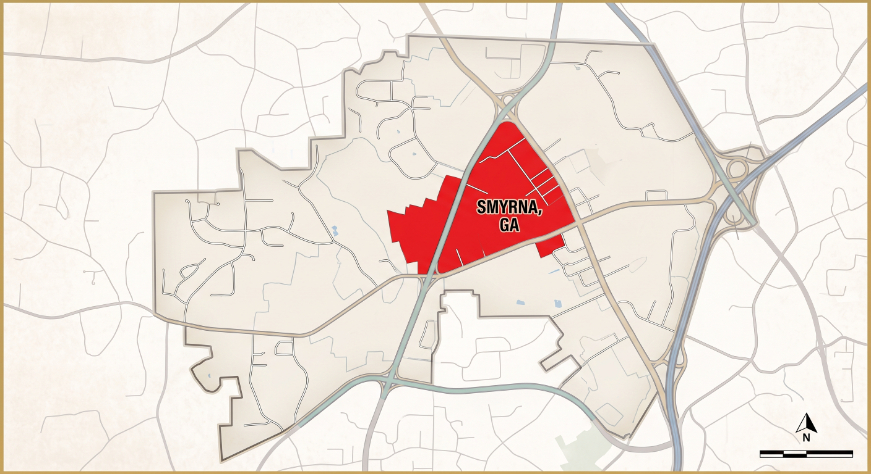
We serve commercial properties throughout Smyrna and nearby communities in the metro Atlanta area.
If your business is located outside this list, contact us to confirm availability. We often extend service to nearby areas depending on project size and scheduling.
Proper commercial insulation reduces energy waste and protects your building envelope. We make the process straightforward, starting with an assessment and ending with a solution built for your property.
Business owners in Smyrna often ask us about material choices, code requirements, and timelines before starting a commercial insulation project. Below, we answer the questions we hear most often.
The best insulation type depends on the building’s structure and use. We often recommend spray foam for its air-sealing properties, but batt or blown-in insulation can work well in certain applications.
We assess your building’s layout, HVAC system, and budget before making a recommendation.
Yes, we install spray foam insulation in both walls and roofs. It adheres to most surfaces and expands to fill gaps, which helps block air leaks in these areas.
We select the foam density based on whether we’re insulating a wall cavity or a roof deck.
Georgia’s climate zone requirements typically call for an R-value between R-30 and R-49 for commercial attics. We determine the exact figure based on your building’s size and current energy code requirements.
Insulation reduces the amount of heat that enters or escapes your building. This means your HVAC system runs less often, which lowers your monthly energy bills.
Over time, this reduced strain can also extend the lifespan of your HVAC equipment.
Yes, commercial insulation work must comply with Georgia’s building and energy codes. We stay current on these requirements and install materials that meet or exceed local standards.
Installation time varies based on the size of your building and the areas we’re insulating. Smaller projects may take one day, while larger commercial spaces can take several days.
We provide a project timeline estimate after our initial assessment of your property.