
Commercial Insulation Kennesaw, GA
Reliable Spray Foam Solutions for Business Owners
Business owners across Kennesaw, GA lose thousands of dollars every year to poorly insulated commercial buildings. Commercial insulation reduces energy waste, stabilizes indoor temperatures, and protects your building’s structural integrity year-round. We work with office buildings, warehouses, retail spaces, and industrial facilities throughout the area.
Uneven temperatures, high utility bills, and moisture problems often trace back to the same source: inadequate insulation. We identify these issues and apply solutions suited to your building’s construction and usage patterns.
Our team brings decades of combined experience to every commercial project we take on. We evaluate your facility, recommend the right materials, and complete installation with minimal disruption to your operations.
Where Spray Foam Insulation Can Be Applied
Spray foam works across multiple areas of a commercial property and can also serve adjacent residential structures you may manage. We apply it based on the specific insulation needs of each space, from large open warehouses to tight crawl spaces.
Warehouses, Offices, and Retail Spaces
Commercial properties have different insulation needs depending on how each space is used. We tailor spray foam applications to help control temperatures, reduce drafts, and improve comfort for employees, customers, and occupants.
Warehouses
Insulating walls and ceilings helps manage indoor temperatures, protect stored inventory, and improve employee comfort. Foam selection depends on the building's thermal and moisture-control requirements.
Office Buildings
Spray foam around suitable walls, ceilings, windows, and doors helps reduce drafts and maintain more consistent indoor temperatures.
Retail Spaces
Sealing gaps around entrances and storefronts helps limit unwanted air leakage, especially in areas affected by frequent door traffic.
Commercial Roof Decks and Exterior Walls
Roof decks and exterior walls are important areas to consider when improving a commercial building's thermal performance. Spray foam can create a continuous insulation layer when installed as part of a properly designed assembly.
Commercial Roof Decks
Closed-cell spray foam can be applied to suitable roof assemblies, including certain flat and low-slope roofs. Proper design and installation help control heat transfer and moisture risks.
Exterior Walls
Spray foam fills suitable gaps and cracks around framing and penetrations, helping create a more complete thermal barrier around the building.
Improved Energy Performance
Reducing unwanted air leakage can help HVAC systems maintain indoor temperatures more efficiently, potentially lowering heating and cooling costs.
Residential Attics, Crawl Spaces, and Floors
Rental properties and mixed-use buildings can benefit from spray foam insulation in areas where heat transfer, air leakage, or moisture are concerns. We assess each space to determine the appropriate insulation approach.
Attics
Spray foam applied to suitable rooflines and framing gaps helps reduce unwanted heat transfer and air leakage through the attic assembly.
Crawl Spaces
Closed-cell foam may be suitable for crawl spaces where moisture resistance is important. Proper moisture management and installation details remain essential.
Floors Above Unconditioned Spaces
Insulating floors above garages, basements, and other unconditioned spaces helps limit heat transfer and support more consistent indoor temperatures.
Benefits for Your Building and Bottom Line
Proper insulation delivers measurable returns in energy savings, comfort, and equipment longevity. We design our commercial insulation systems to address three areas that directly affect your operating costs and day-to-day building performance.
Reduced Air Leakage and Energy Waste
Air leaks account for a significant share of energy loss in commercial buildings. Gaps around windows, doors, rooflines, and wall penetrations let conditioned air escape and allow outside air to intrude.
We use spray foam and other insulation materials that create an airtight seal, closing off these gaps at their source. Unlike some traditional insulation types, spray foam expands to fill irregular spaces, including corners and joints that are difficult to seal with batts or loose-fill products.
This directly reduces the amount of energy your HVAC system wastes trying to compensate for leaks. Over time, that translates into lower utility bills and a smaller energy footprint for your business.
More Consistent Indoor Temperatures
Uneven insulation coverage often leads to temperature swings between rooms, floors, or zones within a commercial building. Some areas end up too warm while others stay too cold, creating complaints from employees, tenants, or customers.
We install insulation strategically across walls, ceilings, attics, and crawl spaces to even out temperature distribution throughout the structure. This matters most in larger buildings or multi-story properties where heat naturally rises and air circulation varies by level.
A properly insulated building maintains a steadier temperature range year-round. That consistency supports a more comfortable environment for anyone working in or visiting your space.
Less Strain on Heating and Cooling Equipment
When insulation is insufficient, HVAC systems work harder and run longer to maintain set temperatures. This added strain accelerates wear on compressors, motors, and other mechanical components.
Our insulation work reduces the workload placed on your heating and cooling equipment by maintaining a stable thermal barrier. The system no longer has to constantly cycle on and off to offset heat loss or gain.
Factor | Impact Without Proper Insulation | Impact With Proper Insulation |
Equipment cycling | Frequent, irregular cycling | Reduced, more stable cycling |
Component wear | Faster wear on parts | Slower wear, extended service life |
Repair frequency | Higher | Lower |
This reduced strain can extend the lifespan of your HVAC equipment and lower the frequency of repairs or replacements.
Risks of Leaving Your Property Underinsulated in Kennesaw, GA
An underinsulated commercial building creates problems that compound over time, from rising utility bills to structural damage. We see three main areas where business owners face the greatest exposure.
Higher Operating Costs and Uncomfortable Workspaces
Without adequate insulation, your HVAC system works harder to maintain a stable indoor temperature. This drives up monthly energy bills and shortens the lifespan of your heating and cooling equipment.
Employees and customers notice the difference too. Spaces near exterior walls or ceilings can feel drafty in winter and overheated in summer, creating an uncomfortable environment that affects productivity and customer experience.
We often find that businesses underestimate how much energy loss stems from insulation gaps rather than equipment inefficiency. Addressing insulation first can reduce strain on your HVAC system before you consider costly upgrades or replacements.
Condensation and Moisture-Related Damage
Poor insulation allows warm, moist air to meet cold surfaces inside walls, ceilings, or around pipes. This temperature mismatch leads to condensation, which can accumulate unnoticed for months.
Over time, trapped moisture contributes to:
- Mold and mildew growth, which affects indoor air quality and may require remediation
- Wood rot in structural framing or roof decking
- Corrosion of metal components, including ductwork and fasteners
- Deterioration of insulation materials themselves, reducing their effectiveness further
We recommend addressing insulation gaps before moisture problems appear, since repairs after the fact typically cost more than prevention.
Insulation Gaps That Undermine Building Performance
Insulation that is thin, compressed, or improperly installed leaves weak points throughout a building’s envelope. These gaps allow air to pass freely between conditioned and unconditioned spaces, regardless of how well other areas are insulated.
Common problem areas include:
Location | Typical Issue |
Roof and attic spaces | Settled or missing insulation |
Wall cavities | Gaps around wiring, pipes, or framing |
Loading dock doors | Minimal insulation around frequently opened areas |
Mechanical rooms | Exposed ductwork or piping |
Each gap reduces the overall performance of the building, regardless of the quality of insulation used elsewhere. We evaluate these areas specifically when assessing a property’s insulation needs.
Why Choose Georgia Insulation
We bring local knowledge, property-specific recommendations, and a scheduling process built around your business hours to every commercial insulation project.
Local Service in Kennesaw and Surrounding Areas
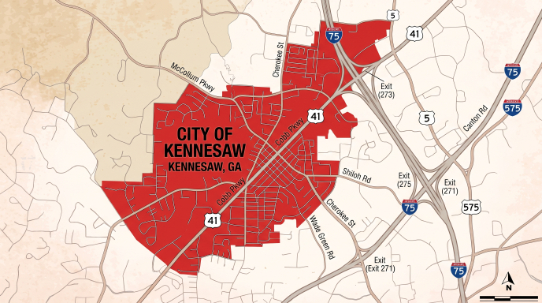
Based in Kennesaw, GA, we provide commercial spray foam insulation tailored to Georgia’s climate and local building requirements. We serve warehouses, retail spaces, offices, restaurants, and manufacturing facilities throughout the surrounding region, offering prompt site visits, efficient project coordination, and reliable follow-up support.
Insulation Recommendations for Your Property
We assess each commercial building’s age, structure, HVAC performance, and insulation issues before recommending the right solution. Based on our findings, we may suggest spray foam, fiberglass batts, or blown-in cellulose to match your property’s needs. We explain each recommendation clearly so you can make an informed decision.
Project Planning Around Business Operations
We schedule commercial insulation projects around your business hours and operational needs to minimize downtime. Options include after-hours or weekend work, phased installations, and scheduling during slower periods. Our crews work efficiently in defined zones, with clear communication throughout the project to keep you informed of progress and timeline changes.
What to Expect From the Installation Process
Our commercial insulation projects follow a structured sequence from initial assessment to final walkthrough. Each phase is designed to minimize disruption to your operations while ensuring quality application throughout the building.
01 Property Assessment and Project Estimate
We start by inspecting your facility’s insulation needs, including existing materials, problem areas, and building layout. Our team checks attics, walls, crawl spaces, and metal building components for gaps, moisture damage, or outdated insulation.
Based on this assessment, we provide a written estimate outlining the scope of work, materials needed, and timeline. We factor in square footage, building type, and any specialty areas like mechanical rooms or storage units.
This step gives you a clear picture of costs before any work begins. We also discuss your budget and energy goals to tailor recommendations accordingly.
02Material Selection and Site Preparation
We help you select the right insulation type for your building’s structure and use. Options typically include:
- Spray foam for air sealing and moisture control
- Fiberglass batts for standard wall and ceiling cavities
- Reflective insulation for metal buildings prone to temperature swings
Once materials are confirmed, our crew prepares the site. This includes clearing work areas, protecting equipment and inventory, and setting up ventilation where needed.
We coordinate scheduling around your business hours to limit downtime. For larger commercial spaces, we may section off areas to keep portions of your building operational during installation.
03Spray Foam Application and Safety Precautions
When spray foam is part of the project, our technicians follow strict safety protocols. We seal off work zones and use protective equipment to manage overspray and fumes during application.
Spray foam expands to fill gaps around wiring, pipes, and framing, creating an airtight barrier. We apply it in controlled layers to achieve proper thickness without overbuilding.
Ventilation runs throughout the application and curing period. Depending on the product used, we typically recommend keeping the treated area clear for a set number of hours before reoccupancy.
Our team monitors air quality and curing progress to confirm the space is safe before moving forward.
04Final Review and Reoccupancy Guidance
Once installation is complete, we walk through the project with you to review the finished work. We check insulation coverage, seal integrity, and overall application quality against the original estimate.
We provide guidance on when different areas can be safely reoccupied, which varies by material and application method. For spray foam, this often means waiting until fumes have fully dissipated.
We also share basic maintenance tips to help the insulation perform as expected over time. Any follow-up questions or concerns are addressed before we consider the project finished.
Serving Kennesaw, GA and Surrounding Areas
We provide commercial insulation services in Kennesaw, GA, and surrounding areas, helping businesses improve energy efficiency, regulate indoor temperatures, and reduce heating and cooling costs. From warehouses and offices to retail spaces and industrial facilities, we deliver insulation solutions tailored to your building’s needs and Georgia’s climate.
Testimonials
Improve Your Commercial Building’s Efficiency
Upgrade your commercial property with insulation designed for better energy efficiency, indoor comfort, and long-term performance. Contact Georgia Insulation today for a free quote tailored to your building.
Frequently Asked Questions
Business owners considering insulation upgrades often have questions about materials, costs, and installation logistics. Below, we address the most common concerns we hear from Kennesaw-area businesses.
What type of insulation is best for commercial buildings in Georgia?
Spray foam insulation performs well in Georgia’s climate because it seals gaps and resists moisture. We also use blown-in and batt insulation depending on the building structure and specific needs.
The right choice depends on your building’s construction, age, and current insulation condition. We assess these factors during our initial inspection before recommending a solution.
Where can spray foam insulation be installed in a commercial building?
Spray foam works in attics, crawl spaces, roof decks, and wall cavities. It also fits well around pipes, ductwork, and other areas where air leaks commonly occur.
For commercial properties, we often apply spray foam in warehouse ceilings, office partition walls, and mechanical rooms. Each application targets a specific source of energy loss.
How can commercial insulation lower business energy costs?
Proper insulation reduces the workload on heating and cooling systems. When conditioned air stays inside the building, your HVAC system cycles less frequently.
This directly reduces monthly utility bills. Businesses with older or inadequate insulation typically see a noticeable drop in energy costs after an upgrade.
What are the risks of poorly insulated commercial buildings?
Inadequate insulation leads to higher energy bills and inconsistent indoor temperatures. Employees and customers may notice drafts, cold spots, or rooms that never feel comfortable.
Poor insulation also allows moisture to build up, which can lead to mold growth and structural damage over time. This can create health concerns and costly repairs if left unaddressed.
What insulation R-value does my commercial building need in Kennesaw, GA?
R-value requirements depend on the specific area of the building, including roof, wall, and floor assemblies. Local building codes set minimum standards for commercial properties in Georgia.
We evaluate your building’s current insulation and compare it against code requirements. From there, we recommend an R-value that meets or exceeds those standards.
Can Georgia Insulation install insulation without disrupting my business?
We schedule most installations around your business hours to minimize interference with daily operations. For larger projects, we can work in sections or during off-peak times.
Our team communicates timelines clearly before work begins. This allows you to plan staffing and customer access accordingly.