
Concrete Lifting in McDonough, GA

Rated 5.0 on Google Reviews
Rated 5 out of 5

Restore Sunken Slabs With Fast, Lasting Spray Foam Solutions

Sunken driveways, tilted sidewalks, and uneven patios are more than an eyesore. They create tripping hazards, let water collect near foundations, and can lead to liability concerns for business owners. Concrete lifting in McDonough, GA corrects these problems by raising settled slabs back to level without tearing out and replacing the concrete.

At Georgia Insulation, we provide concrete lifting and void filling for homeowners and business owners in McDonough and the surrounding areas. Slabs often sink because soil erodes, compacts, or washes out from beneath them, and lifting addresses both the sunken surface and the empty space underneath. This approach is typically faster and less disruptive than full replacement.

On this page, we explain where concrete lifting is used around homes and commercial buildings, the benefits of the service, and the risks of leaving settled concrete alone. We also cover why property owners choose us, how our process works, and answers to common questions.

Residential Surfaces That Can Be Lifted With Polyurethane Foam

Polyurethane foam can raise and stabilize most poured concrete around a home, including driveways, garage floors, sidewalks, steps, patios, and pool decks. The method works best on slabs that are still structurally sound but have sunk because of washed-out or compacted soil.

🚗

Sunken Driveways and Garage Slabs

Driveways and garage floors carry the heaviest loads on a property, and they are often the first surfaces to settle. Vehicle weight, poor compaction after construction, and water runoff can leave voids beneath the slab. In the Georgia clay found around McDonough, heavy rain followed by dry spells can also shift the soil under concrete.

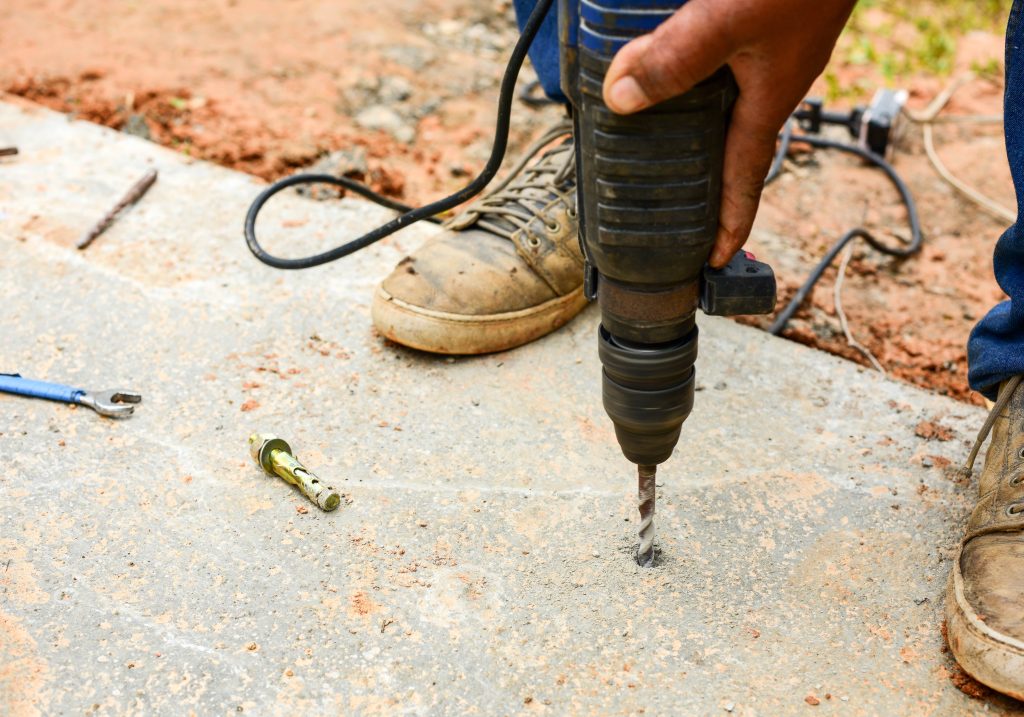
We drill small injection holes, usually about the size of a dime, and pump expanding foam beneath the slab. The foam fills voids and lifts the concrete to its original grade. Most driveways can be driven on within about 15 minutes of the work.

Common signs that a driveway or garage slab needs lifting include:

  • Gaps or height differences at control joints
  • Water pooling near the garage door or against the foundation
  • Cracks that run along a sunken edge
  • A garage floor that slopes away from its original level

We evaluate each slab first, since badly broken or crumbling concrete may need replacement instead.

Get a Free Quote
🚶

Uneven Sidewalks and Entry Steps

A raised sidewalk edge of even half an inch can cause a tripping hazard, and many local codes treat height differences like this as a safety concern. Tree roots, erosion, and settled soil are the usual causes. Walkways leading to a front door get steady foot traffic, so a small shift can affect everyone who visits.

Foam injection lets us level individual sidewalk panels without tearing out the whole walkway. We lift each section to meet its neighbor and fill the space underneath so it stays supported.

Entry steps and porch slabs often pull away from the house or tilt as the ground beneath them settles. When the concrete is intact, we can lift and realign these pieces, which also helps close gaps where water can enter. If a step has cracked through or the structure is deteriorating, we will tell you that replacement is the better option.

Get a Free Quote
🏊

Settled Patios and Pool Decks

Patios and pool decks tend to settle slowly, and the change is often noticed only after water starts collecting in the wrong places. A patio that slopes toward the house can send runoff against the foundation. A tilted pool deck can create standing water and a slipping risk around the pool.

Foam is water-resistant and does not wash out the way soil or traditional slurry fill can. That makes it a practical choice for pool decks, where moisture is constant. We take care to keep the lift gradual so the deck stays aligned with pool coping and any nearby drainage.

Surfaces we can typically lift in these areas include:

Surface Common Problem What Lifting Corrects
Backyard patio Slope toward the house Restores drainage away from the foundation
Pool deck Tilted or uneven slabs Reduces standing water and trip points
Covered porch slab Settled corners Realigns the slab with the home
Get a Free Quote

Commercial Slab Lifting Applications

Sunken or uneven slabs at business properties create trip hazards, drainage problems, and liability exposure that grow worse with daily use. We address these conditions at entrances, walkways, warehouse floors, and loading zones, and we match the lifting material and method to the load each slab carries.

Customer Walkways and Building Entrances

Entrances and walkways carry the most foot traffic on a commercial property. A slab that has sunk even half an inch can create a trip hazard, and offsets of that size are commonly flagged during safety inspections. Settled slabs near doors can also direct water toward the building instead of away from it.

We inject polyurethane foam beneath the affected slabs through small holes, typically about 5/8 inch in diameter. The foam expands, fills voids, and raises the slab to its original grade. Most walkway sections are ready for foot traffic within about 15 to 30 minutes.

Common problem areas include:

  • Slabs at ADA-accessible ramps and door thresholds
  • Sidewalk joints that have separated or tilted
  • Stoops and landings that have settled away from the building

Because the work is quick and quiet, businesses can often stay open while we complete it.

Warehouse Floors and Interior Slabs

Interior slabs support forklifts, pallet jacks, and racking systems, so a sunken or cracked floor affects daily operations. Settlement under a slab can cause forklift loads to shift, wear down wheels faster, and leave low spots where racking no longer sits level. In Georgia, voids often develop from clay soil movement, plumbing leaks, or poor compaction during construction.

We locate voids and soft spots, then inject foam to fill them and bring the floor back to level. The foam is lightweight, which avoids adding stress to soil that is already weak. Once cured, it supports rolling loads again.

Interior work offers several practical advantages:

  • Small injection holes cause little disruption to inventory and workflow
  • Work can be scheduled in sections or after hours
  • Floors are typically usable again within hours, not days

We recommend a slab assessment before racking changes or equipment upgrades.

Concrete Parking Areas and Loading Zones

Parking lots and loading docks face repeated stress from vehicle weight, water runoff, and soil erosion. Slabs that settle can trap water, speed up cracking, and create uneven approaches at dock doors. Trailers that sit at a slant can also make loading and unloading harder and less safe.

Lifting these slabs corrects the grade and restores proper drainage. We also fill voids under the concrete caused by erosion, which helps prevent further settlement. Foam is moisture-resistant, so it does not wash out the way some older fill materials can.

Area

Typical Issue

What We Address

Dock aprons

Sunken slabs at door approach

Restore level surface for trailers

Drive lanes

Cracked, sagging panels

Lift and stabilize under heavy traffic

Parking stalls

Standing water, uneven grade

Correct slope and fill voids

Most lots can reopen to vehicles shortly after we finish each section, which keeps closures short.

Benefits of Raising Existing Concrete

Lifting a settled slab restores a level surface, keeps the original concrete in place, and fills the empty space that caused the sinking. At Georgia Insulation, we use this approach on driveways, sidewalks, patios, garage floors, and commercial walkways across McDonough and nearby communities.

Improved Surface Alignment and Safer Access

Sunken slabs create height differences at the joints. A lip of even half an inch can catch a foot, a cane, a wheelchair caster, or a delivery cart.

When we raise a slab back to its original elevation, the joints line up again and the surface becomes continuous. This lowers trip hazards for family members, customers, and employees.

Lifting also corrects drainage problems. A slab that tilts toward a foundation or garage door can send rain where it should not go. Restoring the original slope helps water move away from the building.

Common problem areas we correct include:

  • Sidewalk panels that have dropped below neighboring sections
  • Driveway slabs that tilt toward the garage
  • Patio sections that pool water after rain
  • Entry walkways at commercial storefronts

Replacing concrete means demolition, hauling away debris, regrading the base, forming, pouring, and waiting for the new slab to cure. That process can keep a driveway or entrance out of use for a week or more.

Lifting works differently. We drill small holes, typically about the size of a quarter, and raise the slab from underneath. Most residential projects finish in a few hours, and light foot traffic can usually resume soon after.

Your landscaping, existing finish, and surrounding surfaces stay mostly untouched. There are no dump trucks or heavy demolition equipment on your property, which matters for businesses that need to keep entrances open.

Factor

Lifting

Replacement

Typical project time

Hours

Days to weeks

Curing wait

Short

Extended

Debris hauled away

Minimal

Substantial

Landscape disturbance

Low

Moderate to high

Slabs sink because the soil beneath them has washed out, compacted, or shifted. The result is an empty pocket under the concrete that keeps the slab from holding its position.

We inject a lightweight expanding foam into that space. The foam spreads, fills the void, and lifts the slab as it expands. Because it weighs far less than traditional fill materials, it adds little stress to soil that was already weak.

We place injection points based on how the slab has settled, so the material goes where support is missing rather than across the entire surface. The cured foam is also resistant to moisture, so it does not wash out the way soil can.

This gives the slab steady support underneath, which helps it stay level over time. Results still depend on the underlying soil conditions, and we assess those during our inspection.

Risks of Leaving Settled Slabs Unaddressed

A settled slab rarely stays the same size of problem. Uneven edges cause injuries, standing water works its way toward your foundation, and small cracks widen as the slab keeps moving.

Trip Hazards for Families, Visitors, and Customers

A height difference of even half an inch between two slab sections can catch a toe or the wheel of a stroller. Sidewalks, driveways, porch landings, and garage aprons are the areas where we see this most often at McDonough homes and businesses.

Older adults, children, and anyone carrying groceries or packages are the most likely to trip. Delivery drivers and mail carriers also cross these surfaces daily.

For business owners, the exposure is larger. A fall at an entrance, loading area, or parking lot walkway can lead to an injury claim, and a documented, unrepaired slab makes that claim harder to defend.

Common spots where slab edges create hazards:

  • Front walkways and entry steps
  • Driveway and garage apron joints
  • Pool decks and patios
  • Commercial entrances and ADA-accessible routes

Water Pooling and Drainage Problems

Slabs are poured with a slight slope so water runs away from the building. When a section sinks, that slope can reverse, and rain collects in the low spot or flows back toward the structure.

Standing water causes several issues:

  • Soil beneath the slab erodes further, which enlarges the void and speeds up settlement.
  • Water seeps along the edge of a garage slab or patio and reaches the foundation wall or crawl space.
  • Wet surfaces stay slick, and algae or mildew grows on shaded patios and walks.
  • In winter, trapped water freezes and expands in joints, which can widen gaps and chip edges.

Georgia’s red clay holds moisture and shifts as it wets and dries, so a slab that already sits low tends to drain poorly after every storm. Redirecting that water early protects both the slab and the structure beside it.

Worsening Cracks and Potentially Higher Repair Costs

A settled slab has lost support underneath it, so the concrete spans an empty area it was not designed to bridge. Weight from vehicles, foot traffic, and the slab itself creates stress that often shows up as new cracks or wider existing ones.

Once a slab breaks into separate pieces, lifting it becomes more complex, and some sections may need replacement instead of leveling.

Stage

Typical condition

Likely approach

Early

Slight sink, intact slab

Concrete lifting

Moderate

Uneven joints, hairline cracks

Concrete lifting with crack sealing

Advanced

Broken or crumbling sections

Partial or full replacement

Lifting a slab that is still in one piece generally costs less than tearing out and repouring it. Addressing settlement early gives you more repair options and a smaller bill.

Why Choose Georgia Insulation

Our team is based in McDonough and works across the surrounding communities, so we know the soil and the sites we repair. We also tailor each lift to the slab in front of us and put the scope, materials, and expectations in writing before work starts.

Local Service in McDonough and Surrounding Areas

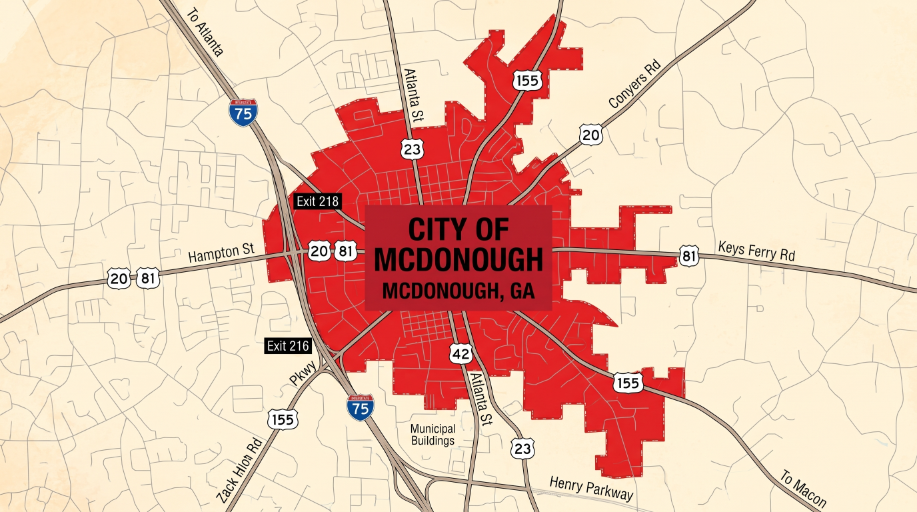
Based in McDonough, GA, we serve Henry County and nearby communities with an understanding of local red clay soil and drainage conditions. Our proximity allows for convenient estimates, easier scheduling, and follow-up support for uneven or sunken concrete repairs.

Site-Specific Recommendations for Homes and Businesses

We inspect each concrete slab, measure settlement, and identify underlying causes before recommending a repair. Our assessment considers slab condition, void size, drainage, and expected loads. If lifting is not suitable, we explain when replacement may be the better option.

Clear Project Scope and Repair Expectations

We provide a written estimate outlining the repair areas, lifting method, and cost before work begins. Our team explains the expected timeline, surface reuse, and repair limitations, including existing cracks and drainage issues that may contribute to future settling.

What to Expect During Your Project

Our concrete lifting projects follow a set order: we evaluate the slab, inject expanding foam through small drilled holes, then verify the new height and patch the openings. Most driveways, walkways, and patios are finished in a single visit, and you can usually use the area again within a short time afterward.

01 Slab Assessment and Suitability Review

We begin by walking the affected area with you and measuring how far each slab has dropped. We use a straightedge and level to record the height difference between neighboring slabs, since that gap shows us how much lift is needed.

Next, we check the condition of the concrete itself. Slabs with hairline cracks or a few large breaks are often good candidates. Slabs that are crumbling, heavily fractured, or sinking because of an active water leak may need a different repair.

We also look for the cause of the settlement, such as washed-out soil from poor drainage or voids under the slab. If a downspout is discharging next to the concrete, we will point that out so the problem does not return.

Before any work begins, you receive:

  • A written scope listing each slab to be lifted
  • A clear price for the work
  • Recommendations for drainage or grading fixes, if needed

Once you approve the scope, our crew drills small holes, typically about 5/8 inch in diameter, in a spaced pattern across each sunken slab. The holes are placed to distribute lift evenly instead of pushing up one corner.

We then inject a closed-cell polyurethane foam through each hole. The foam expands as it cures, filling voids beneath the slab and raising it toward its original position. Because the material cures quickly, we can work in small, controlled amounts.

We watch the slab closely during injection. Lifting too fast can crack concrete, so we add foam gradually and move between holes to keep the surface level.

Area

Typical Hole Count

Typical Work Time

Walkway section

4 to 8 holes

Under 1 hour

Patio slab

8 to 15 holes

1 to 2 hours

Driveway panel

10 to 20 holes

1 to 3 hours

Actual numbers depend on slab size, thickness, and how deep the voids run.

After injection, we re-measure each slab against the neighboring concrete to confirm the gaps are closed. If a slab sits slightly low or high, we make small adjustments before we stop.

We then fill the injection holes with a cement-based patch and smooth it flush with the surface. The patch is gray and may look slightly different from older concrete at first. It generally blends in more as it weathers.

We also clean the work area and remove excess material, so your property is left tidy.

Use of the area resumes on a short timeline:

  • Walking: usually within 15 to 30 minutes
  • Passenger vehicles: often within about an hour
  • Heavy vehicles or equipment: we will tell you when it is safe, based on the foam used and the slab involved

We also note any remaining cracks or joints that may need sealing, so you know what to monitor going forward.

Serving McDonough, GA and surrounding areas

We provide professional concrete lifting services in McDonough, GA, and surrounding communities. Our team helps homeowners and businesses address sunken slabs, uneven walkways, and drainage issues with tailored solutions designed to restore stability and reduce further damage.

Testimonials

Posted on Google Google
Cara Tiesler profile picture
Cara Tiesler
Google star 1Google star 2Google star 3Google star 4Google star 5Trustindex verifies that the original source of the review is Google.
Georgia Insulation saved the day and our house! Breanna promptly answered my call, which was at the end of the work day, and listened to me freak out about being down to the wire and in need of insulation. She jumped right on the request and worked diligently with Jason to get me on the schedule asap. We cannot thank them enough for saving us! The installers were kind, professional and early… who is early these days?! We were very impressed by Breanna, Jason, and the rest of the team at Georgia Insulation. Don’t hesitate to work with this company, they actually care about their clients and don’t over promise (unlike the company that blew us off a day before they were scheduled to Install because they over promised and under delivered). So again, if you need a super reliable and professional insulation company, reach out to Breanna at Georgia Insulation, and she will get you taken care of! Thanks again for helping us!!
Posted on Google Google
Mary Jane profile picture
Mary Jane
Google star 1Google star 2Google star 3Google star 4Google star 5Trustindex verifies that the original source of the review is Google.
Fast friendly service
Posted on Google Google
jeff schmitt profile picture
jeff schmitt
Google star 1Google star 2Google star 3Google star 4Google star 5Trustindex verifies that the original source of the review is Google.
I can say enough great things about the people and my experience with Georgia Insulation. Terra came out and gave a thorough evaluation and quote for open cell foam insulation for our home. The quote was reasonable, and for the amount of work to be done, I thought it was a great deal. Edwin and his crew were awesome and entertaining. They removed all of the existing insulation in the attic and completely covered the underside of the roof with open cell foam. I’ve waited about 2 months to write this review, as I wanted to share energy savings. Last month bill was $106 less than the previous year, same month. The part about that blew me away, was last years June was a very mild June and this June has been quite hot. That being said, I feel very confident I will see a return on my investment. I highly recommend Georgia Insulation and Terra Schaefer and team.
Posted on Google Google
Allene Hoff profile picture
Allene Hoff
Google star 1Google star 2Google star 3Google star 4Google star 5Trustindex verifies that the original source of the review is Google.
The consultant was very good. He explained and answered all my questions concerning my problem. They were very prompt in coming out and the two young men, Edward and Ulises were very friendly and very professional. They took care not to get anything on my floors. They also cleaned up after the job was done. I would certainly recommend this company.
Posted on Google Google
Frank Armatti profile picture
Frank Armatti
Google star 1Google star 2Google star 3Google star 4Google star 5Trustindex verifies that the original source of the review is Google.
Ga insulation came to my home and insulated with close cell foam underneath my floor. Techs needed a second access to get to 2 bedrooms which I was not able to provide while they were here . The room temperatures were at 73 where they had sprayed and where they didn’t was at 59! I am excited that they are returning to finish now that I have the access they needed . The workers were excellent and very professional.This made such a difference in my heating now that the heat shuts off when needed to! Georgia Insulation is a top notch company providing a great service for a very fair price! My best decision ever!
Posted on Google Google
Will Brown profile picture
Will Brown
Google star 1Google star 2Google star 3Google star 4Google star 5Trustindex verifies that the original source of the review is Google.
Posted on Google Google
Chris Jones profile picture
Chris Jones
Google star 1Google star 2Google star 3Google star 4Google star 5Trustindex verifies that the original source of the review is Google.
Great service, fast, and good communication.
Posted on Google Google
Luke Thomas profile picture
Luke Thomas
Google star 1Google star 2Google star 3Google star 4Google star 5Trustindex verifies that the original source of the review is Google.
Great job. On time. Left place nice & clean. This is second job. I will definitely use them on the next one. Thanks All
Posted on Google Google
JC Ammons profile picture
JC Ammons
Google star 1Google star 2Google star 3Google star 4Google star 5Trustindex verifies that the original source of the review is Google.
Did an excellent job insulating our new construction. Good communication and clean work.
Posted on Google Google
James Morris profile picture
James Morris
Google star 1Google star 2Google star 3Google star 4Google star 5Trustindex verifies that the original source of the review is Google.
Georgia Insulation do excellent work and are a great bunch of people to work with. I highly recommend them and will use them again.

Request A Concrete Evaluation

We offer inspections for properties throughout our service area. During this visit, we examine the affected concrete, assess the soil conditions beneath it, and identify the likely cause of settling or unevenness.

We recommend scheduling an evaluation as soon as you notice sinking or shifting concrete, since delays can allow the underlying soil issue to worsen.

Frequently Asked Questions

Concrete lifting uses polyurethane foam injected through small holes to raise sunken slabs and fill voids beneath them. The answers below cover how the method works, how long it lasts, which surfaces it suits, what it costs, when you can use the concrete again, and what sets our team apart.

How does spray foam concrete lifting work?

We drill small holes, usually about the size of a nickel, through the sunken slab. Through those holes, we inject a lightweight polyurethane foam into the void beneath the concrete.

The foam expands and fills the empty space, then pushes the slab upward. We monitor the slab as it rises and stop once it sits level with the surrounding surface. The holes are then patched, so the repair blends into the existing concrete.

Polyurethane foam is water-resistant and does not wash out, rot, or break down in soil the way some older fill materials can. When the cause of the settlement has been addressed, the lift can last for many years.

Results depend on soil conditions and drainage. If water keeps flowing under a slab, the soil may continue to erode, so we point out drainage problems during our inspection.

We lift many of the surfaces found at homes and businesses in McDonough and nearby areas. These include:

  • Driveways and garage floors
  • Sidewalks and walkways
  • Patios and pool decks
  • Porch slabs and steps
  • Parking lots and loading areas
  • Warehouse and commercial floors

Slabs with severe cracking or heavy structural damage may need replacement instead. We assess each surface during the inspection and tell you which option fits.

Cost depends on the size of the area, how far the slab has sunk, and how much foam is needed to fill the void. A single sidewalk panel costs less than a large driveway or a commercial floor.

Concrete lifting is often priced lower than tearing out and replacing a slab, and it takes less time. We provide a written quote after inspecting the area, so you know the price before work begins.

The foam cures quickly, so most surfaces are ready for light foot traffic within minutes of the lift. Vehicles can usually return to driveways and parking areas within about an hour, depending on the job.

We give you specific timing before we leave, based on the slab and the amount of foam used.

We are based in McDonough, GA, and we work with polyurethane foam every day through our insulation services. That experience helps us control how the foam expands and where it goes.

We offer free inspections, explain what is causing the settlement, and give you a clear quote before we start. Our crew serves homeowners and business owners across McDonough and the surrounding communities.