
Sunken or uneven concrete around your home or business is more than a cosmetic problem. Settled driveways, sidewalks, patios, and slabs create tripping hazards, collect water, and can worsen over time. At Georgia Insulation, we provide concrete lifting in Calhoun, GA and the surrounding areas to correct these problems without the cost and disruption of full replacement.
Concrete lifting raises sunken slabs back to their original level by filling the empty space beneath them with a lightweight, expanding foam that supports the concrete and stabilizes the ground. Slabs sink when soil erodes, compacts, or washes away, which is common in Georgia’s red clay and during periods of heavy rain. We use spray foam to fill these voids, lift the slab, and help prevent further settling.
This service works for residential and commercial properties alike, including driveways, walkways, patios, garage floors, porches, parking areas, and loading zones. Lifting existing concrete is typically faster and less invasive than tearing it out and pouring new slabs. Below, we explain how the process works, what benefits you can expect, and what can happen if you leave settled concrete untreated.
Lifting works by injecting a two-part foam through small ports, where it expands, fills voids, and pushes the slab upward in controlled increments. Whether a slab is a good candidate depends on its condition and on why it settled.
The foam we use for concrete lifting shares some chemistry with the spray foam used to insulate buildings, but it is a different product with a different job. Insulation foam is sprayed onto surfaces to control heat and air movement. Lifting foam is a high-density, structural-grade polyurethane injected underground.
Here is how the lift happens:
Because the foam is light, it adds little weight to soil that was already weak. Once cured, the ports are patched, and the surface can usually be used again soon after.
Get a Free QuoteFoam lifting works best on slabs that are structurally sound but have sunk or tilted because soil settled or washed out beneath them. The concrete itself should still be intact enough to move as a unit.
Common suitable situations include:
The cause matters as well. If settlement came from a one-time event, such as erosion from a leaking downspout or poor compaction during construction, lifting often gives a lasting result once the source is corrected.
We inspect each slab and the surrounding drainage before recommending lifting, so the repair addresses the cause and not only the symptom.
Get a Free QuoteSome slabs cannot be lifted successfully. Concrete that is heavily crumbled, broken into many small pieces, or severely cracked may not lift evenly. Foam raises concrete by pushing on it, so a slab that cannot hold together will not respond well.
Replacement may also be the better choice when:
In these cases, we tell you directly. Lifting a slab that will fail again soon is not a good use of your money, and an honest assessment helps you choose the repair that fits the condition of your concrete.
Get a Free QuoteSunken or uneven concrete shows up around homes and businesses in Calhoun, GA, from driveways and garage floors to storefront sidewalks and warehouse slabs. We lift and stabilize these surfaces by filling the voids underneath, and the approach changes with the slab’s location, load, and use.
Driveways carry the heaviest regular loads at a home, so settlement here tends to be the most noticeable. We commonly see slabs that have dropped at the joints, creating a lip that catches tires and causes water to run toward the house.
Garage floors and front steps settle for similar reasons: soil washes out, or fill compacts, beneath the slab. Our team lifts these surfaces back to level with a lightweight polyurethane foam, which supports vehicle weight once it cures.
Key points for these areas:
Patios and walkways usually settle because of poor compaction, tree roots, or runoff that erodes the soil beneath them. A walkway that drops even half an inch can become a trip hazard, and a patio that tilts toward the house can send water against the foundation.
Pool decks need extra attention. Settled sections can leave gaps at the coping, and standing water on a tilted deck creates slip risks around the pool.
We use small injection holes, typically about the size of a dime, so the surface stays largely intact. Most residential slabs in these areas are ready for foot traffic shortly after the work is finished.
For business owners, uneven concrete is a safety and liability concern as much as a cosmetic one. Sunken sidewalks and entrances can create trip hazards for customers and may fall short of accessibility requirements.
Interior slabs matter too. Warehouse floors, loading areas, and retail spaces often settle under forklift traffic or heavy racking, which can disrupt equipment movement and shelving alignment.
Commercial Area | Common Issue | What We Address |
Entrances | Dropped thresholds | Level transitions at doors |
Sidewalks | Raised or sunken panels | Trip hazards and water pooling |
Interior slabs | Settlement under loads | Uneven floors and gaps |
Because lifting is fast and limited in disruption, we can often work with your business hours in mind.
Leveling sunken concrete reduces trip hazards, keeps driveways and walkways usable, and avoids the cost and mess of tearing out slabs. It also keeps the concrete you already have in place and working as intended.
A slab that has settled even half an inch can catch a foot, a cane, or the wheel of a cart. Lifting the slab back to its original height removes the lip between sections and gives people a smooth path again.
Here are some of the places where we see safety improve most:
For business owners, a level walkway also lowers the chance of a slip-and-fall claim tied to a known hazard.
Replacing a slab means breaking out the old concrete, hauling away debris, setting forms, pouring new concrete, and waiting for it to cure. That can take days or weeks, and the area stays off limits the whole time.
Lifting is far quicker. In most cases the work for a driveway, patio, or walkway takes a few hours, and the surface can often be used again shortly afterward, depending on the material used.
There is also less noise, less heavy equipment on your property, and less damage to landscaping, irrigation, and nearby structures. Commercial properties benefit as well, since parking lots and loading areas can return to service sooner and with fewer closures.
If a slab is still structurally sound, replacing it throws away concrete that can keep doing its job. Lifting keeps the original slab in place and addresses the cause of the problem, which is usually a void or soft soil beneath it.
Filling that void supports the slab again and helps bring neighboring sections back into alignment. This also improves how water moves across the surface, since slabs that tilt toward a home or building can direct runoff against the foundation.
Lifting works best on slabs with limited cracking. A slab that is badly broken or crumbling may still need replacement, and we will tell you which optio
A sunken slab rarely stays the same. Uneven edges can cause falls, water collects where it should drain away, and the voids beneath the slab tend to grow over time.
A height difference of as little as half an inch between two slabs can catch a toe or the wheel of a cart. Sunken sections along sidewalks, porch steps, and driveways are common places for falls, especially at night or in wet weather.
Older adults, children, and anyone using a cane, walker, or wheelchair face the highest risk. Delivery workers carrying packages are also vulnerable because they often cannot see the ground in front of them.
For business owners, the concern extends to liability. A customer who trips on an uneven parking lot apron or entry walkway may file an injury claim, and a known, unrepaired defect can weaken your position.
Many municipalities treat a vertical gap of about one-quarter to one-half inch as a point where a sidewalk needs attention, so it is worth measuring the gaps on your property.
Concrete that settles often tilts toward your home instead of away from it. Rainwater then collects on the slab or flows along its edges toward the foundation.
Here is what that water can do:
Georgia’s red clay soil holds water for long periods and expands and contracts as moisture levels change. In the Calhoun area, heavy seasonal rain can make a small drainage problem worse within a few months.
Once a void forms under a slab, the concrete has no support in that spot. Each vehicle, footstep, and rainstorm adds stress, and the slab can sink further or crack across its width.
A slab that is only a little low can usually be raised and stabilized. A slab that has cracked into several pieces often has to be broken out, hauled away, and poured again, which takes longer and costs more.
Delay also affects nearby areas. Water that escapes through a sunken driveway or patio can undermine adjoining slabs, steps, and the soil next to your foundation, turning one repair into several.
Having a sunken slab evaluated early gives you more options. In many cases, lifting the concrete in place is still possible while the slab remains intact.
Concrete lifting works best when the crew knows the local soil, understands your property type, and explains the work in plain terms. We combine regional experience, careful planning, and written estimates so you know what to expect before work begins.
As a Georgia-based contractor, we understand Calhoun's soil conditions, drainage, and concrete challenges. Our local experience allows us to identify common problems and provide faster inspections, repairs, and reliable service for residential and commercial properties.
We assess the cause and extent of concrete settlement before recommending lifting solutions for residential and commercial surfaces. We identify repair needs, plan around property use, and explain project scope, scheduling, and curing times to minimize disruptions and ensure safe access.
We provide honest assessments and itemized estimates outlining the work, pricing, and timeline. We explain when concrete lifting is unsuitable, identify related issues like drainage or soil problems, and discuss any changes or additional costs before proceeding.
Every lift starts with measurements and a look at why the slab moved, then moves to a planned injection layout and a clean finish. Each stage is documented so you know what was found, what was done, and when the surface can be used again.
We begin on site by measuring how far the slab has dropped. Using a level and a tape, we record elevation differences across joints, edges, and the low points of the slab. We also note cracks, gaps between slabs, and any areas where water collects.
Next, we look for the cause. Common contributing conditions in the Calhoun area include:
We tap the surface and probe edges to find voids. In some cases we recommend correcting drainage first, since a lifted slab can settle again if water keeps removing soil. You receive a written summary of measurements, findings, and a recommended scope.
With the assessment complete, we lay out the injection points. Spacing depends on slab thickness, void size, and how much lift is needed. We mark each location on the surface before any drilling begins.
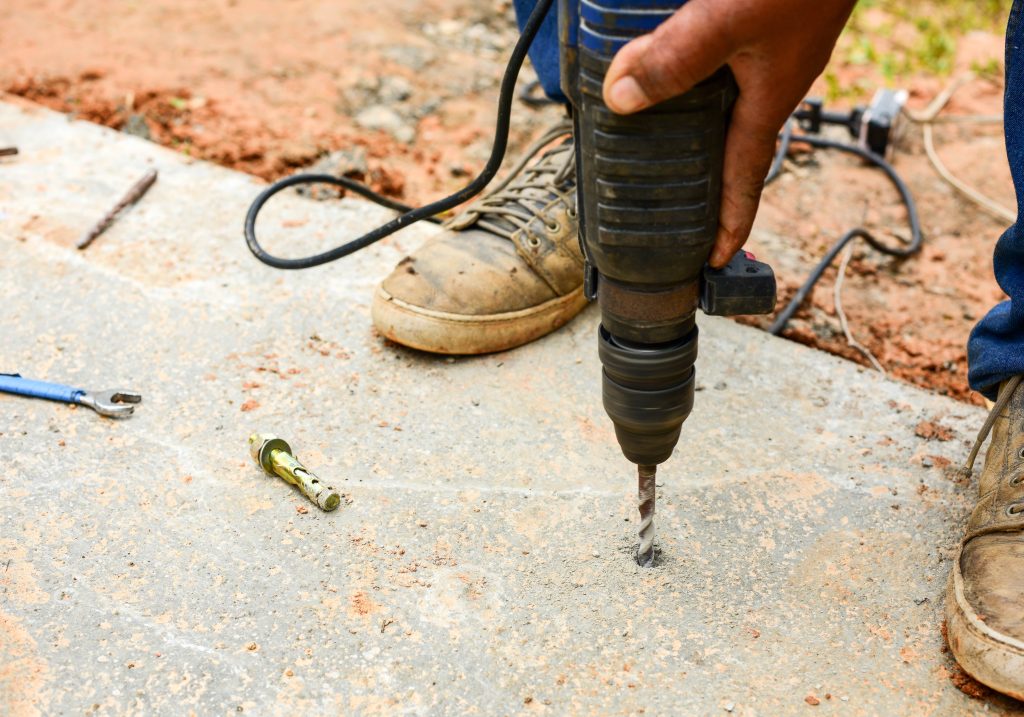
We then drill small holes, about the size of a nickel, at the marked points. Polyurethane foam is injected in stages, and the material expands to fill voids and raise the slab gradually. Because the foam is light, it adds very little load to the soil below.
We watch the elevation continuously while injecting. Our crew stops as soon as the slab reaches its target grade, since over-lifting can crack concrete or create a new high spot.
Step | What We Do |
Layout | Mark ports based on voids and slab size |
Drilling | Create small injection holes |
Injection | Add foam in stages while monitoring height |
Verification | Confirm the slab meets target grade |
Once the slab is level, we remove the injection ports and fill each hole with a patch material. We then clean the surface and remove debris and excess foam. The patches are visible up close, though they are small and typically blend in as they cure.
We also recheck the finished elevations against our starting measurements and confirm that water will drain away from the structure. Any remaining cracks or joint gaps are pointed out so you know what to expect.
Return-to-use timing depends on the surface and the patch material:
We finish with a closeout review that covers the work performed and care recommendations, such as keeping gutters clear and directing downspouts away from the slab.
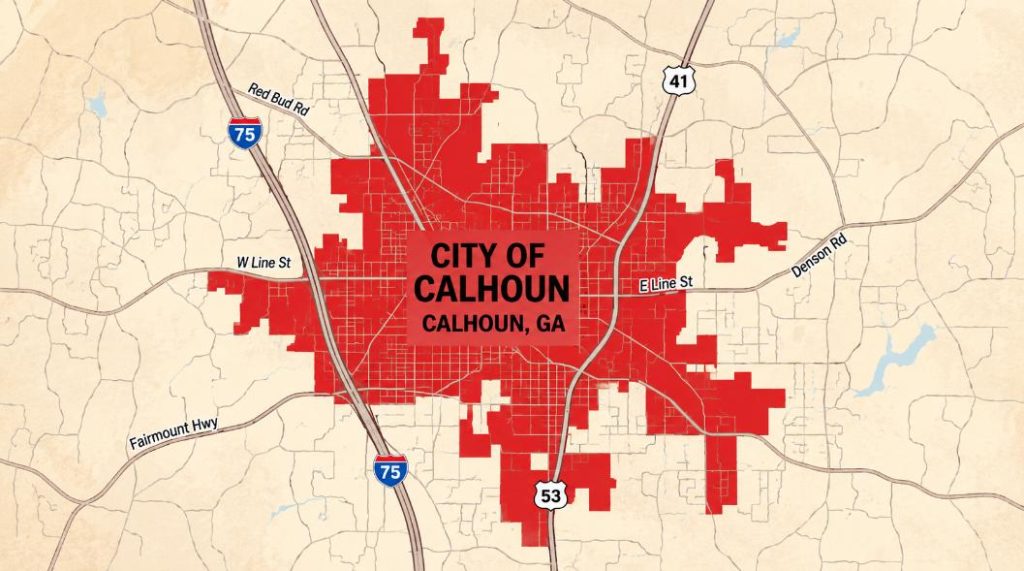
We provide professional concrete lifting services in Calhoun, GA, and surrounding communities. Our team helps homeowners and businesses address sunken slabs, uneven walkways, and drainage issues with tailored solutions designed to restore stability and reduce further damage.
We offer inspections for properties throughout our service area. During this visit, we examine the affected concrete, assess the soil conditions beneath it, and identify the likely cause of settling or unevenness.
We recommend scheduling an evaluation as soon as you notice sinking or shifting concrete, since delays can allow the underlying soil issue to worsen.
Concrete lifting uses injected polyurethane foam to raise sunken slabs, and the answers below cover how the method works, what it can lift, how it compares to replacement, what delay costs, how pricing is set, and what we bring to each job in Calhoun, GA.
We drill small holes, usually about 5/8 inch wide, through the sunken slab. Through those holes, we inject a two-part polyurethane foam that expands beneath the concrete. The foam fills voids and presses upward on the slab until it returns to the correct height.
We monitor the slab during injection and stop once it sits level with the surrounding concrete. After that, we patch the holes so they are barely visible.
On residential properties, we lift driveways, sidewalks, patios, pool decks, garage floors, porch steps, and stamped concrete. Stamped surfaces can be raised without damaging the pattern in most cases.
On commercial properties, we lift warehouse floors, parking lots, loading docks, entrance ramps, and walkways. Uneven slabs in these areas can create trip hazards and interfere with forklift or foot traffic, so we work to restore a level surface.
Lifting costs less than tearing out and pouring new concrete in most cases. It also takes hours instead of days, and the foam cures quickly enough that most surfaces can be used again shortly after the work is finished.
The process does not require heavy equipment or removal of the existing slab, so your landscaping and surrounding areas stay largely undisturbed. The foam is also lightweight and resists water, which helps it avoid adding stress to soil that is already weak.
Sunken slabs tend to get worse over time. Water can flow beneath them, wash away more soil, and enlarge the void under the concrete. Cracks can widen, and the slab may break apart.
Uneven concrete is also a safety concern. Raised edges can cause trips and falls for family members, customers, and employees. Water that pools against a foundation or building can lead to further damage and liability.
Cost depends on the size of the area, the depth of the void, how far the slab has dropped, and how many injection points are needed. A small walkway section costs less than a large warehouse floor or parking area.
We inspect the concrete, measure the affected area, and provide a written estimate before any work begins. Contact us for an on-site assessment so you can see the price for your specific project.
Georgia Insulation is based in Calhoun, GA, and serves homeowners and business owners across the surrounding area. We work with polyurethane foam daily, which gives us practical experience controlling expansion and lift height.
We explain what is causing your slab to sink, outline the repair steps, and complete the work with minimal disruption to your property. You get a clear estimate up front and a direct point of contact from inspection through completion.