
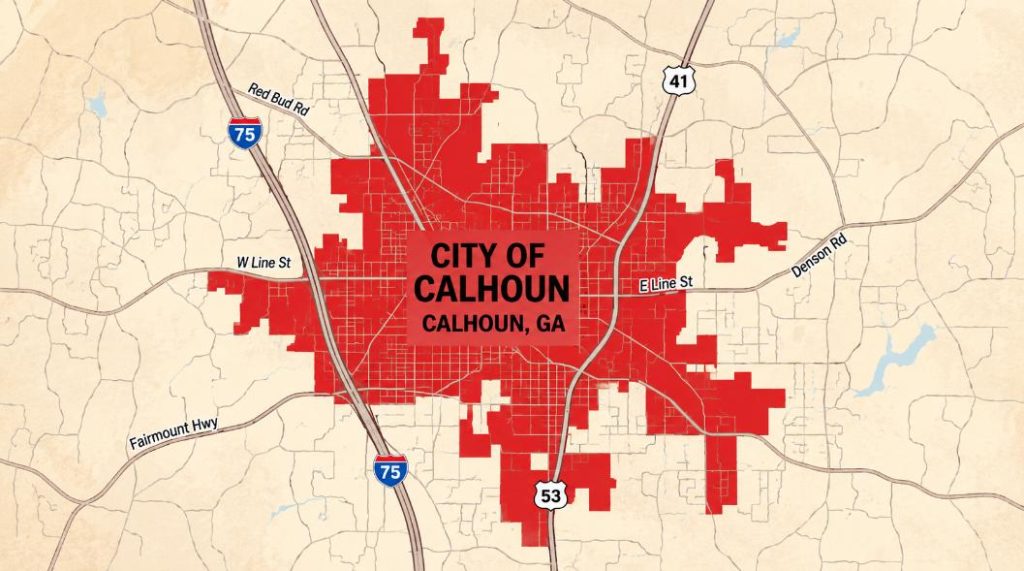
Crawl Space Insulation Calhoun, GA

Rated 5.0 on Google Reviews
Rated 5 out of 5

Protect Your Property From the Ground Up

encapsulated crawl space

Crawl space insulation keeps the area beneath your building warmer, drier, and more energy efficient. At Georgia Insulation, we install spray foam and related insulation systems in crawl spaces for homes and commercial buildings in Calhoun, GA, and the surrounding communities. The right crawl space insulation seals air leaks, limits moisture, and reduces the heat loss that makes floors cold and utility bills higher.

Many properties in this area have crawl spaces that are vented, uninsulated, or damp. Outside air and humidity move through those gaps, which can lead to cold floors, musty odors, and wood that stays wet longer than it should. Spray foam creates an air-tight layer that most other insulation types struggle to match, and we use it on crawl space walls, rim joists, and floor assemblies depending on the building.

If you own a home or a business, the condition of your crawl space affects comfort, air quality, and the long-term health of the structure. Below, we explain where spray foam fits, what the benefits and risks are, how our process works, and answers to common questions.

Choosing the Right Approach for Your Crawl Space

The right insulation strategy depends on how your crawl space handles air and moisture, where the thermal boundary should sit, and which spray foam product fits each surface. We evaluate these factors on every property in Calhoun and the surrounding area before recommending a plan.

🏠

Vented Versus Unvented Crawl Spaces

A vented crawl space has openings to the outside, and insulation goes in the subfloor between the joists. An unvented, or sealed, crawl space has no open vents, and insulation goes on the foundation walls and rim joists instead.

In north Georgia's humid climate, vents often let in moist summer air that condenses on cool surfaces. Many building science sources now favor sealed crawl spaces for this reason, and current building codes allow them when the space is properly conditioned or dried.

Factor Vented Unvented (Sealed)
Insulation location Subfloor Walls and rim joists
Humid-air exposure Higher Lower
Pipe protection Needs added care Space stays closer to indoor temperature
Best fit Dry sites, tight budgets Damp sites, long-term efficiency

We check your existing vents, soil conditions, and foundation type before suggesting either path.

Get a Free Quote
🧱

Spray Foam Options for Floors, Walls, and Rim Joists

Each surface calls for a specific foam type and thickness.

  • Subfloor (vented spaces): Open-cell or closed-cell foam sprayed between joists. Closed-cell resists moisture better, which matters in low, damp areas.
  • Foundation walls (sealed spaces): Closed-cell foam is usually the better choice because it works as an air barrier and a moisture-resistant layer.
  • Rim joists: These gaps leak more air than almost any other part of the crawl space. Closed-cell foam seals them and adds insulation in one step.

Commercial buildings with crawl spaces follow the same logic, though larger footprints and mechanical equipment may change access and scheduling. We size R-values to Georgia's climate zone and to what the surface needs.

Get a Free Quote
💧

Moisture Control and Encapsulation Considerations

Insulation does not fix a wet crawl space on its own. Standing water, plumbing leaks, and poor drainage should be corrected first, or the insulation can stay damp and lose performance.

A sealed crawl space typically includes a heavy-duty vapor barrier over the soil that runs up the walls and is sealed at seams and piers. Some homes also need a dehumidifier or a sump system, depending on moisture levels we measure during the inspection.

Previously wet fiberglass batts that have sagged or hold moisture should be removed rather than covered. We document these conditions during the visit so you can see what needs attention before any foam goes in.

Get a Free Quote

Spray Foam Applications Throughout Your Property

Spray foam works in more than one part of a building, and the right product and thickness depend on where it goes. At Georgia Insulation, we apply it in crawl spaces, attics, walls, and commercial structures across Calhoun and nearby communities.

Crawl Spaces Beneath Homes

A crawl space affects the floors, air quality, and energy use of the whole house above it. We typically apply closed-cell spray foam to crawl space walls or to the underside of the subfloor between joists. Closed-cell foam resists moisture and adds structural stiffness, which suits a space that sits close to the soil.

Foam fills gaps around wiring, plumbing, ductwork, and uneven joist spacing that batts and blankets often leave open. That continuous coverage limits air movement through the floor.

Common crawl space options we install:

  • Foam on foundation walls: Supports a sealed, conditioned crawl space.
  • Foam under the subfloor: Keeps the crawl space vented while insulating the floor.
  • Rim joist sealing: Closes one of the most common air leak points.

We inspect for standing water, plumbing leaks, and ground moisture before any foam goes in.

Attics, Exterior Walls, and Other Air Leakage Areas

Attics are where most heat is gained or lost. We spray foam on the underside of the roof deck or across the attic floor, depending on how the space is used and ventilated.

Open-cell foam often fits attic roof decks and interior walls because it expands to fill cavities and costs less per inch. Closed-cell foam has a higher R-value per inch, roughly R-6 to R-7 compared with about R-3.5 for open-cell, which helps where space is limited.

We also seal smaller areas that leak air:

  • Rim joists and band joists
  • Gaps around windows and doors
  • Garage ceilings below living space
  • Knee walls and bonus room walls

In new construction, we can foam walls and roof decks before drywall goes up. In existing homes, we target accessible cavities and problem areas.

Crawl Spaces and Building Envelopes in Commercial Properties

Commercial buildings have different needs than homes, including larger surface areas, equipment, and stricter occupancy requirements. We insulate crawl spaces beneath offices, churches, retail buildings, and small multi-unit properties using the same moisture-aware methods we use in homes.

Beyond crawl spaces, we apply foam to metal building walls and roofs, where it limits condensation on steel surfaces. Warehouses, workshops, and storage facilities benefit from a sealed envelope that steadies interior temperatures.

Commercial factors we review before quoting:

Factor

Why it matters

Building use

Determines foam type and thickness

Fire and building code

May require specific coatings or barriers

Access and scheduling

Lets us work around business hours

Existing moisture

Must be corrected before insulating

We provide a written scope so owners know what will be installed and where.

Benefits for Homeowners and Business Owners

Insulating the crawl space improves how steady temperatures feel indoors, reduces the amount of conditioned air that escapes, and helps keep humidity within a manageable range. For properties in Calhoun and nearby areas, these changes show up in daily comfort and in monthly energy use.

More Consistent Indoor Temperatures

In many Georgia buildings, the floor is the coldest surface in winter and a source of heat gain in summer. An uninsulated crawl space lets outdoor temperatures pass through the subfloor, so rooms above it often feel cooler or warmer than the rest of the building.

Insulating the crawl space slows that heat transfer. Floors feel less cold underfoot in January, and rooms over the crawl space stay closer to the thermostat setting.

What this means in practice:

  • Homeowners: Bedrooms and living areas above the crawl space hold a steadier temperature, with fewer cold spots near exterior walls.
  • Business owners: Retail floors, offices, and waiting areas stay more comfortable for staff and customers without constant thermostat adjustments.

We install spray foam and other insulation types based on how your crawl space is built, since vented and sealed spaces call for different approaches.

Crawl spaces connect to the rest of the building through gaps around pipes, wiring, ductwork, and the rim joist. Air moves through these openings, and the air that enters the living space from below is often unfiltered and unconditioned.

Sealing and insulating the crawl space reduces that movement. Spray foam is well suited to this job because it expands to fill small gaps while also acting as insulation.

With less air leakage, your heating and cooling equipment runs fewer cycles to maintain the same temperature. That can lower energy bills, though the exact savings depend on the size of the building, the existing insulation, and the condition of your ducts.

Common leak points we address:

Location

Why it matters

Rim joist

Large gap area where framing meets the foundation

Plumbing and wiring penetrations

Small openings that add up across a floor

Duct runs in the crawl space

Leaks and heat loss reduce delivered airflow

Humid summers in north Georgia put moisture into crawl spaces through vents, soil, and foundation walls. When that moist air meets cool surfaces, condensation can form on ducts, pipes, and wood framing.

Insulation works best alongside moisture control. A vapor barrier over the soil, sealed foundation openings, and insulation on walls or the subfloor limit how much moisture reaches the framing and how much rises into the living space.

Keeping humidity in check helps protect wood from rot, reduces conditions that favor mold growth, and lowers the musty smell that some buildings notice. For business owners, it also helps protect stored inventory and flooring materials near the crawl space.

We assess your crawl space before recommending a plan, since standing water or drainage problems need to be corrected before insulation is installed.

Risks of Leaving the Space Below Your Building Unprotected

An uninsulated crawl space affects comfort, energy bills, air quality, and the structure itself. In Calhoun and the surrounding areas, humid summers and cool, damp winters make these problems more likely to develop.

Cold Floors, Drafts, and Energy Waste

Floors above an uninsulated crawl space often feel noticeably colder than the rest of the room in winter. The subfloor has no barrier between it and the outside air, so heat leaves the living area through the floor. Air also moves through vents, gaps around pipes, and cracks in the foundation, and that air reaches the rooms above.

Your heating and cooling system works harder to make up for this loss. In practice, that can mean:

  • Longer run times for your furnace or heat pump
  • Uneven temperatures from room to room
  • Higher monthly utility bills
  • Ductwork in the crawl space losing heat or cooling before it reaches the vents

Commercial buildings face the same issue. Larger floor areas lose more conditioned air, which raises operating costs for offices, shops, and storage spaces.

Condensation and Conditions That Support Mold Growth

Warm, humid air from Georgia summers enters a vented crawl space and meets cooler surfaces such as ductwork, pipes, and floor framing. When that air cools, moisture condenses on those surfaces. Over time, damp wood and surfaces with constant moisture give mold a place to grow.

Mold needs moisture, an organic food source, and time. Wood framing and subfloor materials supply the food, and an uninsulated, unsealed crawl space can supply the moisture.

Air from the crawl space also moves upward into the living area through a process called the stack effect. That means musty odors, spores, and humidity can reach the rooms you use every day. People with allergies or asthma may notice symptoms worsen.

Moisture-Related Damage to Wood and Other Materials

Prolonged dampness weakens the materials that hold up your floors. Wood that stays above roughly 20 percent moisture content becomes vulnerable to decay, and joists, beams, and subflooring are all at risk.

Common signs of moisture damage include:

  • Sagging or bouncy floors
  • Soft or discolored framing
  • Rusted nails, hangers, and metal fasteners
  • Warped hardwood or buckled flooring above
  • Peeling paint or gaps near baseboards

Damp conditions also attract termites, carpenter ants, and rodents, which can cause further damage to framing and existing insulation. Fiberglass batts in a damp crawl space often absorb moisture, sag, and fall away from the floor, which leaves the subfloor exposed.

Repairs to rotted framing or replaced subflooring cost far more than addressing moisture and air movement early.

Why Choose Georgia Insulation for Your Project

Crawl space insulation works best when the contractor knows the local climate, inspects the actual conditions under your building, and defines the work in writing before it starts. Here is how we handle each of those points.

Local Service in Calhoun, GA and Surrounding Areas

Based in Georgia, we serve Calhoun and nearby communities with local knowledge of regional moisture conditions. Our licensed, trained team provides spray foam, batt, blown-in insulation, and crawl space encapsulation, with convenient scheduling and responsive follow-up support.

Recommendations Based on Your Property’s Conditions

We inspect your crawl space for moisture, insulation, ventilation, foundation, and structural issues before recommending a solution. We explain our findings and suggest only necessary work, whether that involves encapsulation, vapor barriers, or new insulation.

Clear Project Scope for Residential and Commercial Needs

We define the project scope in writing, including coverage areas, materials, preparation, timeline, and access requirements. We coordinate around residential and commercial needs and discuss any unexpected issues or changes with you before proceeding.

From Initial Assessment to Final Walkthrough

Every crawl space insulation project we complete in Calhoun, GA follows the same sequence: inspect, scope, prepare and install, then verify. Each stage has specific checks that determine whether the finished space stays dry, sealed, and comfortable.

01 Inspecting Access, Existing Insulation, and Moisture Conditions

We start by entering the crawl space and recording what is already there. We measure the clearance under the floor, locate the access door or hatch, and note anything that limits how crews and equipment can move.

We then look at existing insulation and moisture conditions:

  • Existing insulation: We check for fiberglass batts that have sagged, fallen, or absorbed water, since these need removal before new material goes in.
  • Moisture: We use a moisture meter on joists and subfloor, and we look for standing water, damp soil, and condensation on ductwork.
  • Wood and pests: We check for rot, mold growth, termite activity, and rodent damage.
  • Penetrations: We note plumbing, wiring, and duct openings through the floor and foundation walls.

Georgia’s humid climate makes moisture readings especially important at this stage. A reading we record here guides every decision that follows.

After the inspection, we review the findings with you and explain what the project requires. We decide whether insulation belongs on the foundation walls, between the floor joists, or both, based on how the space is built and how it is used.

Some conditions must be corrected before any insulation is installed. Spray foam and other products will trap existing problems if they are applied over them.

Condition found

Typical prerequisite step

Active plumbing leak

Repair by a licensed plumber

Standing water or poor drainage

Correct grading, gutters, or add drainage

Wood rot or mold

Remove or treat affected material

Bare soil floor

Install a vapor barrier

Open foundation vents

Seal when a conditioned approach is chosen

You receive a written scope that lists the areas to be insulated, the materials, and any repairs needed first.

Before installation, we clear debris, remove failed insulation, and protect items such as stored belongings near the access point. Crews wear respirators, protective suits, and eye protection, and we set up lighting and ventilation for the work space.

On the installation day, the sequence is consistent:

  1. Seal the vapor barrier to the soil and foundation walls, with overlapped, taped seams.
  2. Seal gaps and penetrations at the rim joist, pipe and wire openings, and foundation cracks.
  3. Apply insulation to the foundation walls and rim joists, or to the underside of the floor, depending on the agreed scope.
  4. Apply in controlled passes so the foam reaches the thickness specified for the target R-value.

Spray foam cures quickly, but each pass needs time to set before the next layer is added. We follow the manufacturer’s thickness and curing guidelines.

When installation is complete, we walk the space with you or confirm the results ourselves if you prefer not to enter. We check for thin spots, missed gaps, loose seams, and any foam that sits too close to flues or heat sources.

We then confirm how the space will manage air and moisture going forward. If the crawl space was sealed, we verify that vents are closed and explain whether a dehumidifier or conditioned air supply is part of the design.

We also give you clear reentry guidance. Most homes can be reoccupied the same day, though we advise ventilating the home as the manufacturer directs and keeping pets and children away from the crawl space opening until the product has cured. You will leave with a summary of what was installed, the thickness applied, and what to monitor over the following months.

Serving Calhoun, GA and surrounding areas

We provide professional crawl space insulation and encapsulation services in Calhoun, GA, and surrounding communities. Our tailored solutions help control moisture, improve energy efficiency, and protect residential and commercial properties from crawl space issues.

Testimonials

Posted on Google Google
Cara Tiesler profile picture
Cara Tiesler
Google star 1Google star 2Google star 3Google star 4Google star 5Trustindex verifies that the original source of the review is Google.
Georgia Insulation saved the day and our house! Breanna promptly answered my call, which was at the end of the work day, and listened to me freak out about being down to the wire and in need of insulation. She jumped right on the request and worked diligently with Jason to get me on the schedule asap. We cannot thank them enough for saving us! The installers were kind, professional and early… who is early these days?! We were very impressed by Breanna, Jason, and the rest of the team at Georgia Insulation. Don’t hesitate to work with this company, they actually care about their clients and don’t over promise (unlike the company that blew us off a day before they were scheduled to Install because they over promised and under delivered). So again, if you need a super reliable and professional insulation company, reach out to Breanna at Georgia Insulation, and she will get you taken care of! Thanks again for helping us!!
Posted on Google Google
Mary Jane profile picture
Mary Jane
Google star 1Google star 2Google star 3Google star 4Google star 5Trustindex verifies that the original source of the review is Google.
Fast friendly service
Posted on Google Google
jeff schmitt profile picture
jeff schmitt
Google star 1Google star 2Google star 3Google star 4Google star 5Trustindex verifies that the original source of the review is Google.
I can say enough great things about the people and my experience with Georgia Insulation. Terra came out and gave a thorough evaluation and quote for open cell foam insulation for our home. The quote was reasonable, and for the amount of work to be done, I thought it was a great deal. Edwin and his crew were awesome and entertaining. They removed all of the existing insulation in the attic and completely covered the underside of the roof with open cell foam. I’ve waited about 2 months to write this review, as I wanted to share energy savings. Last month bill was $106 less than the previous year, same month. The part about that blew me away, was last years June was a very mild June and this June has been quite hot. That being said, I feel very confident I will see a return on my investment. I highly recommend Georgia Insulation and Terra Schaefer and team.
Posted on Google Google
Allene Hoff profile picture
Allene Hoff
Google star 1Google star 2Google star 3Google star 4Google star 5Trustindex verifies that the original source of the review is Google.
The consultant was very good. He explained and answered all my questions concerning my problem. They were very prompt in coming out and the two young men, Edward and Ulises were very friendly and very professional. They took care not to get anything on my floors. They also cleaned up after the job was done. I would certainly recommend this company.
Posted on Google Google
Frank Armatti profile picture
Frank Armatti
Google star 1Google star 2Google star 3Google star 4Google star 5Trustindex verifies that the original source of the review is Google.
Ga insulation came to my home and insulated with close cell foam underneath my floor. Techs needed a second access to get to 2 bedrooms which I was not able to provide while they were here . The room temperatures were at 73 where they had sprayed and where they didn’t was at 59! I am excited that they are returning to finish now that I have the access they needed . The workers were excellent and very professional.This made such a difference in my heating now that the heat shuts off when needed to! Georgia Insulation is a top notch company providing a great service for a very fair price! My best decision ever!
Posted on Google Google
Will Brown profile picture
Will Brown
Google star 1Google star 2Google star 3Google star 4Google star 5Trustindex verifies that the original source of the review is Google.
Posted on Google Google
Chris Jones profile picture
Chris Jones
Google star 1Google star 2Google star 3Google star 4Google star 5Trustindex verifies that the original source of the review is Google.
Great service, fast, and good communication.
Posted on Google Google
Luke Thomas profile picture
Luke Thomas
Google star 1Google star 2Google star 3Google star 4Google star 5Trustindex verifies that the original source of the review is Google.
Great job. On time. Left place nice & clean. This is second job. I will definitely use them on the next one. Thanks All
Posted on Google Google
JC Ammons profile picture
JC Ammons
Google star 1Google star 2Google star 3Google star 4Google star 5Trustindex verifies that the original source of the review is Google.
Did an excellent job insulating our new construction. Good communication and clean work.
Posted on Google Google
James Morris profile picture
James Morris
Google star 1Google star 2Google star 3Google star 4Google star 5Trustindex verifies that the original source of the review is Google.
Georgia Insulation do excellent work and are a great bunch of people to work with. I highly recommend them and will use them again.

Schedule Your Insulation Consultation

Starting with a consultation lets us evaluate your crawl space and identify the best insulation approach for your property.

We provide a written estimate after the inspection, with no obligation to proceed. This gives property owners time to review options before making a decision.

Frequently Asked Questions

Crawl space insulation costs depend on square footage, material, and moisture conditions, and the right choice varies between vented and sealed crawl spaces. The answers below cover pricing, materials, risks, and how we complete the work for homes and commercial buildings in Calhoun and nearby areas.

How much does crawl space insulation cost in Calhoun, GA?

Cost depends on the size of the crawl space, the insulation material, and whether moisture or access problems need to be fixed first. Fiberglass batts are usually the lowest-cost option, while spray foam and rigid foam board cost more per square foot.

We provide a written quote after inspecting your crawl space. That way the price reflects the actual conditions under your building and not a general estimate.

The best material depends on whether your crawl space is vented or sealed. In a vented crawl space, kraft-faced fiberglass batts or mineral wool installed between the floor joists can work when the wood is dry. In a sealed crawl space, closed-cell spray foam or rigid foam board on the walls is usually a better fit.

Georgia’s humid climate makes moisture control a key factor. We recommend a material only after we check for standing water, wet framing, and air leaks.

Yes, spray foam works in both. Closed-cell spray foam adds insulation value and acts as an air seal, and it resists moisture better than batt insulation.

For homes, we often apply it to crawl space walls or the underside of the floor. For commercial buildings, we apply it in the same locations and adjust the plan for larger floor areas, mechanical equipment, and access limits.

An uninsulated crawl space lets heat and cold pass through the floor, which can raise heating and cooling costs and leave floors uncomfortable. Humid air entering the space can also lead to condensation, mold growth, and wood rot.

Over time, damp conditions can damage floor joists and subfloors. They can also attract pests and carry musty odors into the living or working space above.

Insulation slows heat transfer through the floor or walls. Encapsulation seals the whole crawl space with a heavy vapor barrier over the ground and walls, closes the vents, and often adds drainage or dehumidification.

The two are often combined. Insulating a vented crawl space that still exchanges air with the outdoors limits the benefit, so we assess moisture first and recommend the approach that fits your building.

We start with an inspection of your crawl space, checking for moisture, standing water, damaged framing, and air leaks. We then give you a written quote and recommend a material and method.

Our crew prepares the space, makes any needed moisture repairs, and installs the insulation. After installation, we inspect the finished work and review it with you before we close the job.