
Commercial Insulation Calhoun, GA
Reliable Spray Foam Solutions for Business Owners
Commercial buildings in Calhoun, GA face temperature swings that drive up energy costs and strain HVAC systems year-round.
Georgia Insulation provides commercial insulation services that reduce energy loss, stabilize indoor temperatures, and lower utility expenses for business owners across the region. Without proper insulation, you risk higher operating costs, uneven heating and cooling, and added wear on mechanical systems.
We work with warehouses, offices, retail spaces, and industrial facilities throughout Calhoun and the surrounding areas. Our approach addresses the specific insulation needs of each building type, from exterior walls to rooflines, helping you protect your investment and maintain a more consistent work environment.
Commercial Insulation in Calhoun, GA: Where Spray Foam Delivers Results
Spray foam performs differently depending on where we install it, and each area of a building presents its own temperature, moisture, and structural considerations.
Roof Decks and Attics
Roof decks and attics take on the most direct heat exposure in any building. We apply closed-cell or open-cell spray foam directly to the underside of the roof deck, sealing out heat transfer before it reaches living or working space below.
This approach differs from traditional attic insulation laid across the floor. By insulating at the roofline, we bring the attic space into the building's conditioned envelope.
That means less strain on HVAC equipment and more consistent indoor temperatures. For commercial properties with rooftop units, this method also reduces ductwork heat gain.
Exterior Walls and Building Envelopes
Exterior walls form the primary barrier between conditioned interior space and outside conditions. We use spray foam to fill wall cavities completely, eliminating the gaps and voids that fiberglass batts commonly leave behind.
This creates a continuous air barrier across the entire wall assembly. Unlike older insulation materials, spray foam expands to reach corners, around wiring, and behind pipes.
The result is a tighter building envelope with fewer drafts and less air infiltration. For multi-story commercial structures, this also helps maintain consistent temperatures between floors and reduces the workload on perimeter HVAC zones.
Crawl Spaces and Floors
Crawl spaces and floors introduce moisture concerns that other areas of a building don't face. We apply spray foam to crawl space walls and floor assemblies to control humidity and block ground moisture from entering the structure.
This matters because unsealed crawl spaces contribute to higher humidity levels throughout a building. Excess moisture can affect flooring, interior air quality, and HVAC performance.
By sealing this area, we reduce the chance of condensation and moisture-related wear. Floors above sealed crawl spaces also tend to stay warmer in winter and cooler in summer, improving comfort for occupants in the space above.
Warehouses, Offices, and Mixed-Use Properties
Large commercial structures often combine multiple building types under one roof, each with different insulation needs:
- Warehouses: Open floor plans and high ceilings require insulation that manages large volumes of air and resists temperature swings across metal panels.
- Offices: Smaller, more compartmentalized spaces benefit from insulation that controls sound transfer between rooms in addition to temperature.
- Mixed-use properties: Buildings combining retail, storage, and office space need a strategy that addresses varying humidity, occupancy, and equipment loads in each section.
We assess each property type individually rather than applying a single standard approach. This allows us to match insulation placement and foam type to how each space is actually used.
Benefits for Your Business and Building
Commercial insulation affects three things that matter to your bottom line: energy costs, occupant comfort, and the long-term condition of your building. Here’s what proper insulation delivers.
Reduced Air Leakage and Energy Waste
Gaps in your building envelope let conditioned air escape and outside air intrude, forcing your HVAC system to work harder than it should. We seal these gaps with spray foam and other insulation materials that fill cracks around windows, doors, rooflines, and wall penetrations.
This reduces the load on your heating and cooling equipment. Lower HVAC demand translates directly into lower monthly utility bills.
Over a year, the savings add up:
- Reduced heating costs in winter months
- Lower cooling costs during Georgia summers
- Less strain on equipment, which can extend its lifespan
- Fewer emergency repair calls caused by overworked systems
We measure air leakage during our assessment so you can see where your building is losing energy before we start work.
More Consistent Indoor Temperatures
Uneven insulation creates hot spots and cold spots throughout a building. Employees near exterior walls or under poorly insulated roofs often deal with drafts or excess heat, while interior areas stay comfortable.
Proper insulation evens this out. Temperatures stay more consistent from room to room and floor to floor, which matters in multi-story offices, warehouses, and retail spaces with varied layouts.
Consistent temperatures also support:
- Better working conditions for employees
- Fewer thermostat conflicts between departments
- More stable conditions for temperature-sensitive inventory or equipment
We account for your building’s layout and usage when planning insulation placement, since a warehouse and an office building have different needs.
Better Moisture Control With Proper Design
Moisture buildup inside walls and roofing systems leads to mold growth, wood rot, and corrosion of metal components. Poorly insulated or incorrectly vented spaces trap humidity, especially in buildings with large HVAC systems or high occupancy.
Spray foam insulation, when installed correctly, creates a barrier that limits moisture infiltration. We design each installation with your building’s ventilation and vapor barrier needs in mind, rather than applying a one-size-fits-all approach.
This reduces the risk of:
Issue | Consequence Without Proper Moisture Control |
Mold growth | Health concerns, remediation costs |
Wood rot | Structural repairs, safety hazards |
Metal corrosion | Damaged framing, roofing, or ductwork |
We check existing moisture conditions during our assessment so the insulation plan addresses your building’s specific risks.
The Business Risks of Inadequate Insulation
Insufficient insulation creates problems that extend well beyond temperature control. Energy waste, moisture buildup, and employee discomfort can all stem from the same root cause, and each carries its own financial and operational consequences.
Higher Utility Bills and HVAC Strain
Gaps in insulation force heating and cooling systems to work harder to maintain a consistent indoor temperature. This added strain increases monthly utility costs and shortens the lifespan of HVAC equipment.
Over time, we see businesses pay for premature system repairs or replacements that could have been avoided. Conditioned air escapes through poorly insulated walls, roofs, and floors, which means equipment runs longer cycles to compensate.
This creates a cycle of rising costs: higher energy bills, more frequent maintenance calls, and eventual equipment failure. A building with proper insulation reduces this strain and keeps energy expenses predictable.
Condensation and Moisture-Related Damage
Temperature imbalances caused by poor insulation often lead to condensation inside walls, ceilings, and near windows. This moisture can go unnoticed for months while it damages structural materials.
Mold growth is a common result, and it can affect indoor air quality and pose health risks to employees and customers. Wood framing may rot, drywall can weaken, and metal components may corrode.
We find that repairing moisture damage is almost always more expensive than preventing it. Addressing insulation gaps early helps protect the building’s structure and reduces the likelihood of costly remediation work.
Uncomfortable Workspaces and Operational Disruptions
Inconsistent indoor temperatures make workspaces uncomfortable for employees and customers alike. Areas near exterior walls or poorly insulated ceilings often feel noticeably colder or warmer than the rest of the building.
This discomfort can lower employee productivity and affect customer experience in retail or service settings. Temperature complaints also tend to increase facility management workload, pulling attention away from other priorities.
In some cases, uneven insulation leads to localized HVAC failures that disrupt daily operations entirely. We recommend addressing insulation issues proactively to maintain a stable environment and avoid unplanned downtime.
Why Choose Georgia Insulation
We bring local knowledge, honest recommendations, and flexible scheduling to every commercial insulation project in Calhoun. These three factors shape how we work with business owners from the first call to the final inspection.
Local Service in Calhoun and Surrounding Areas
Based in Georgia, we understand Calhoun's climate, local building codes, and commercial construction needs. Our experience with warehouses, retail spaces, and offices allows us to provide efficient service, faster response times, and coverage across more than 40 licensed Georgia counties.
Recommendations Based on Your Building and Business Needs
We evaluate each commercial building's age, structure, insulation condition, HVAC needs, occupancy, and budget before recommending a solution. We compare options such as spray foam, batt, and blown-in insulation to ensure the choice fits your building and energy goals without unnecessary upgrades.
Project Coordination Around Your Operating Schedule
We schedule commercial insulation projects around your operating hours, including evenings, weekends, and planned closures. We provide a clear timeline, communicate any changes promptly, and aim to complete installation with minimal disruption to your staff, customers, and daily operations.
From Building Assessment to Installation
Our process moves from a detailed inspection of your building to material selection, prep work, and final installation, with safety and air quality managed at every stage.
01 Evaluate Existing Conditions and Insulation Gaps
We start by examining your building’s current insulation, checking for gaps, moisture damage, and areas where air leaks occur.
This includes attics, walls, crawl spaces, and any exposed framing. We use thermal imaging and manual inspection to find weak points that aren’t visible to the eye.
Our team documents R-values in existing materials and compares them against your building’s current energy demands. This assessment gives us a clear picture of where heat loss or gain is occurring.
We also note any code violations or safety concerns tied to outdated insulation, such as fire hazards or improper vapor barriers.
02Select Materials and Define the Project Scope
Based on our assessment, we recommend specific insulation types suited to your building’s structure and use.
Options we work with include:
- Spray foam – for airtight sealing in irregular spaces or areas with high moisture exposure
- Batt insulation – for standard wall cavities and straightforward installs
- Blown-in insulation – for attics and hard-to-reach cavities
We define project scope by square footage, target R-value, and budget. We also account for occupancy schedules, since some commercial spaces require phased work to avoid disrupting operations.
This step results in a written scope document outlining materials, timeline, and cost before any work begins.
03Plan Site Preparation, Ventilation, and Safe Reentry
Before installation, we prepare the site by clearing work areas and protecting equipment, inventory, or furnishings from dust and debris.
For spray foam applications, we set up ventilation systems to manage off-gassing during curing. Spray foam releases chemical vapors as it cures, so we establish clear timelines for when the space is safe for reentry.
Reentry guidelines typically include:
- Ventilating the area for 24 hours post-application
- Testing air quality before allowing occupants back in
- Removing any temporary barriers or containment materials
We coordinate this timing with your operating hours to minimize downtime.
04Complete Installation and Review the Finished Work
Our crews install insulation according to the agreed scope, following manufacturer specifications and local building codes.
Once installation is complete, we conduct a final walkthrough with you to confirm coverage, check for gaps, and verify that ventilation requirements have been met.
We also provide documentation of the work performed, including material types and R-values installed, for your records or future compliance needs.
Any adjustments identified during this review are addressed before we consider the project finished.
Serving Calhoun, GA and Surrounding Areas
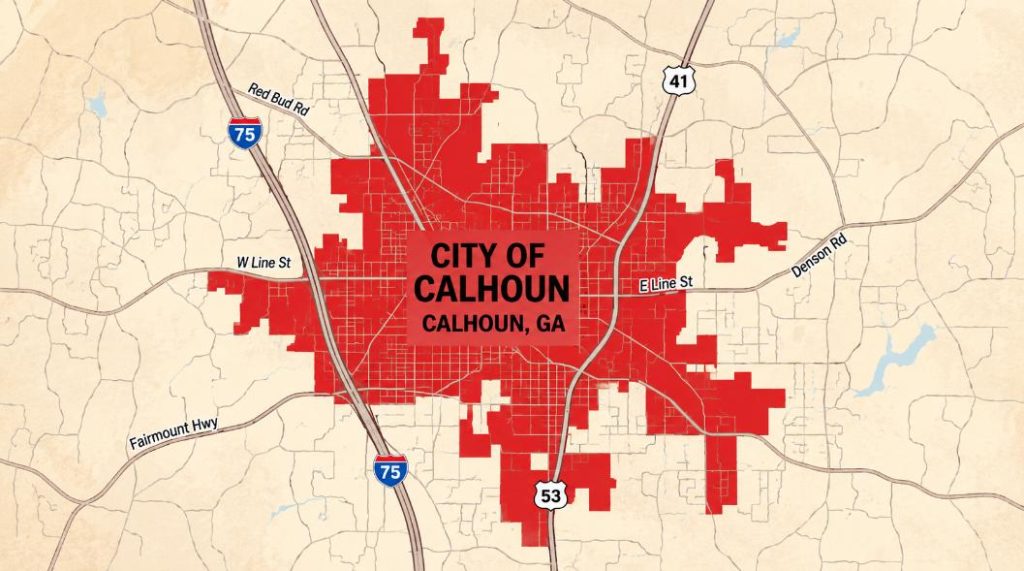
We provide commercial insulation services in Calhoun, GA, and surrounding areas, helping businesses improve energy efficiency, regulate indoor temperatures, and reduce heating and cooling costs. From warehouses and offices to retail spaces and industrial facilities, we deliver insulation solutions tailored to your building’s needs and Georgia’s climate.
Testimonials
Improve Your Commercial Building’s Efficiency
Upgrade your commercial property with insulation designed for better energy efficiency, indoor comfort, and long-term performance. Contact Georgia Insulation today for a free quote tailored to your building.
Frequently Asked Questions
Business owners considering commercial insulation often have questions about installation locations, code requirements, and what sets one contractor apart from another. Below we address the specifics that matter most when planning a commercial insulation project in Calhoun, GA.
What are the benefits of commercial insulation in Calhoun, GA?
Properly installed commercial insulation reduces monthly utility costs by limiting heat transfer through walls, roofs, and floors.
It also stabilizes indoor temperatures across different zones of a building, which cuts down on HVAC strain. In Calhoun’s climate, where summers bring high humidity and winters bring cold snaps, insulation helps buildings maintain consistent conditions year-round.
Where can spray foam insulation be installed in commercial buildings?
We apply spray foam in attics, roof decks, exterior wall cavities, and crawl spaces. It also works well in warehouse ceilings, mechanical rooms, and areas around pipes or ductwork where air leaks commonly occur.
For multi-tenant buildings, we insulate shared walls and ceilings to reduce sound transfer and temperature inconsistencies between units.
What problems can inadequate commercial insulation cause?
Gaps in insulation coverage lead to higher energy bills because HVAC systems work harder to compensate for heat loss or gain.
Moisture intrusion is another risk; without a proper air and vapor barrier, condensation can build up inside walls and promote mold growth. Uneven insulation also creates hot and cold spots throughout a building, which affects employee comfort and can shorten the lifespan of mechanical equipment.
What insulation R-values are required for commercial buildings in Georgia?
Georgia follows the International Energy Conservation Code (IECC), which sets minimum R-value requirements based on climate zone and building component.
Calhoun falls within a zone that typically requires higher R-values for roof and attic insulation compared to wall assemblies. We evaluate your building’s structure and use to confirm the correct R-value for each area before installation begins.
What does the commercial insulation installation process involve?
We start with an on-site assessment to identify current insulation levels, air leaks, and problem areas. From there, we recommend a material type and R-value based on your building’s layout and local code requirements.
Installation follows, with our team applying insulation to walls, roofs, or crawl spaces as needed. We finish with a walkthrough to confirm coverage and address any remaining questions.
Why choose Georgia Insulation for my commercial property?
We are a licensed, locally operated company serving Calhoun and the surrounding area, so we understand regional code requirements and climate conditions.
Our team handles both spray foam and traditional insulation methods, which allows us to recommend the right approach for your specific building rather than a one-size-fits-all solution.