Cracked driveways, uneven patios, and sunken sidewalks are common problems for homeowners and business owners in Kennesaw, GA and the surrounding areas. These issues develop when the soil beneath a concrete slab erodes, compacts, or shifts over time, leaving gaps that cause the surface above to sink or tilt. We provide concrete lifting services that address this problem directly by filling the voids beneath your slab and restoring it to its original position, without the cost and disruption of full replacement.
Concrete lifting works for a wide range of surfaces, including driveways, walkways, patios, pool decks, and commercial parking areas. We use proven lifting methods suited to the specific type of slab and the extent of settlement involved.
This guide covers how concrete lifting works, the benefits it offers, what can happen if sunken concrete is left untreated, and why property owners in Kennesaw choose our team for this work.
Settled concrete results from specific soil and moisture conditions beneath a slab, and polyurethane foam injection addresses those conditions directly by filling voids and restoring support. We use this method because it lifts concrete back to grade without the cost and disruption of full replacement.
Soil erosion is a frequent cause of slab settlement. Water runoff washes away fine soil particles beneath the concrete, leaving empty spaces that eventually cause the slab to sink.
Poor soil compaction during construction can also lead to settlement over time as the ground shifts under the concrete's weight.
Other contributing factors include:
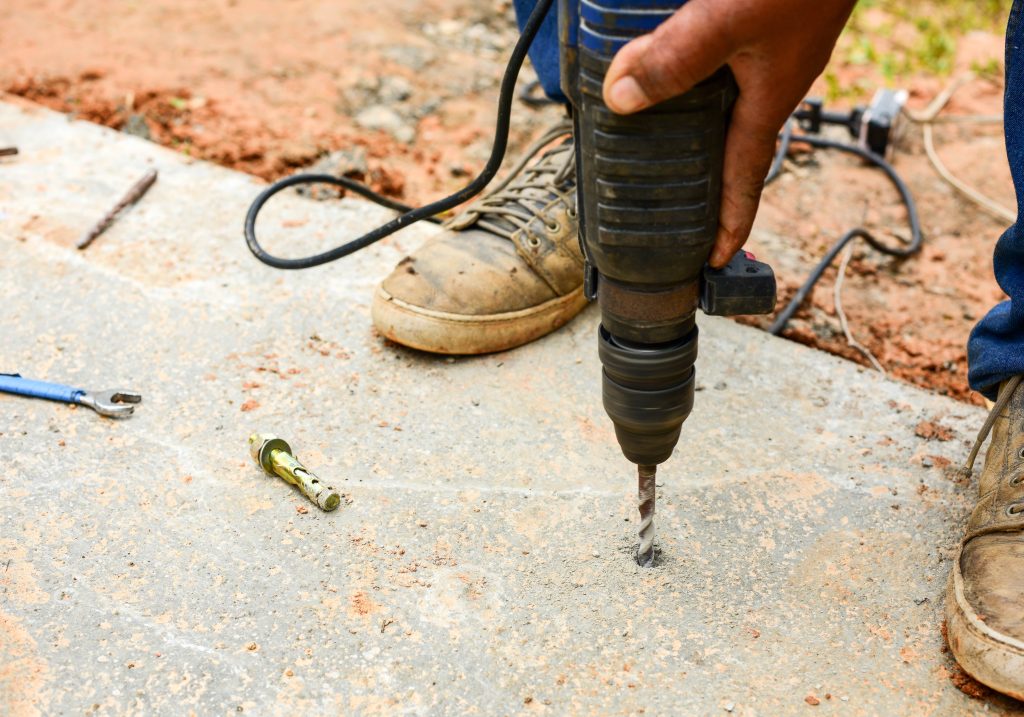
We drill small holes, roughly the size of a dime, into the affected slab at strategic points. Through these openings, we inject a two-component polyurethane mixture that reacts and begins expanding within seconds.
The expanding foam fills existing voids and compacts loose soil, generating controlled pressure that lifts the slab toward its original position.
We carefully monitor the lift throughout the process to achieve accurate leveling. Most injection points cure within 15 minutes, allowing the slab to return to normal use shortly afterward.
Get A Free QuoteFoam injection works best when the concrete remains structurally intact and settlement is caused by soil conditions rather than damage to the slab itself.
This method can be suitable for:
Replacement may be the better option when a slab has extensive cracking, crumbling edges, or structural failure beyond what lifting can correct. We assess each slab individually before recommending a solution, helping ensure the repair suits its actual condition.
Get A Free QuoteSettling concrete affects nearly every type of slab, from small residential walkways to large commercial floors. We lift and stabilize a wide range of surfaces using polyurethane foam injection, restoring them to a safe, level condition.
Driveways are exposed to constant vehicle weight and weather changes, which makes them prone to sinking and cracking over time. We raise sunken driveway slabs back to their original position without the need for full replacement.
Sidewalks and entryways present a different concern: tripping hazards. Uneven sections near a front door or along a walkway create liability risks for both homeowners and business owners.
Our process addresses these areas by:
This approach restores function and improves safety without disrupting landscaping or surrounding hardscape.
Garage floors often settle due to poorly compacted soil beneath the original pour. We correct this by injecting foam that fills gaps and lifts the slab evenly.
Basement slabs face a similar issue, often worsened by moisture or soil erosion under the foundation footprint. Left alone, these slabs can crack further or create uneven flooring that affects stored items or finished basement space.
Patios are also common candidates for lifting. Outdoor slabs shift due to freeze-thaw cycles and soil movement, which can create:
We treat each of these areas individually, since soil conditions and slab thickness vary across a property.
Commercial properties rely on level concrete for both safety and daily operations. Walkways around office buildings, retail spaces, and parking lots must stay even to reduce fall risks for employees and customers.
Interior slabs, including warehouse and retail floors, can settle under the weight of heavy equipment or shelving. This creates uneven surfaces that affect forklift movement, foot traffic, and product storage stability.
Loading docks and loading areas experience some of the heaviest use on a commercial site. Repeated impact from trucks and pallet jacks accelerates settling in these zones.
We lift these surfaces with minimal downtime, allowing business operations to continue with limited disruption during the repair process.
Restoring sunken or uneven concrete delivers practical advantages that extend beyond appearance. From reducing safety hazards to minimizing property disruption, the benefits affect how homeowners and business owners use their spaces every day.
Uneven concrete creates trip hazards that put people at risk. We treat this as a priority, since walkways, driveways, and parking areas see constant foot and vehicle traffic.
Children, elderly family members, and employees carrying equipment are especially vulnerable to falls caused by height differences in slabs. For commercial properties, these hazards can translate into liability concerns and insurance claims.
By restoring concrete to its original level, we help eliminate the uneven edges and gaps that cause stumbling. This is particularly important near entrances, loading docks, and high-traffic walkways where consistent footing matters most.
Key safety improvements include:
Traditional slab replacement requires breaking out existing concrete, removing debris, and pouring new material. This process can take days and generates significant noise, dust, and mess.
Concrete lifting avoids most of this disruption. We access the area beneath the slab through small drilled holes, rather than demolishing the surface entirely.
This means less downtime for your property. Homeowners can often use the repaired area the same day, and business owners avoid extended closures or detours around work zones.
Factor | Slab Replacement | Concrete Lifting |
Timeline | 1-3+ days | Hours in most cases |
Debris | Significant | Minimal |
Surface downtime | Extended curing period | Same-day use possible |
Sunken or uneven concrete affects how a property looks and functions. Cracked edges, pooling water, and visible height differences detract from curb appeal and can signal deferred maintenance to visitors or customers.
We focus on restoring proper alignment so surfaces drain correctly and sit level with adjoining structures like doorways or garage entries. This improves both function and visual consistency across driveways, patios, sidewalks, and commercial walkways.
A level, well-maintained surface also supports property value. For business owners, it reflects attention to detail and professionalism, which matters to customers forming first impressions of a storefront or facility.
Sunken concrete rarely stays the same size or shape for long. Left alone, it typically creates safety concerns, water damage, and foundation problems that grow more serious and more expensive to fix.
An uneven walkway or driveway edge is a liability we take seriously. Even a one-inch height difference between slabs can catch a shoe or cane and cause a fall.
This matters most for properties with elderly visitors, children, or anyone using a wheelchair or walker. Business owners face added exposure here, since a customer injury on an unaddressed sunken slab can lead to a liability claim.
Common trouble spots include:
We find these hazards tend to worsen gradually, so a minor dip today can become a noticeable drop within a year or two.
Concrete is supposed to direct water away from your home or building, not collect it. When a slab sinks, it often creates a low point where rainwater and runoff pool instead of draining properly.
This standing water can seep into foundation walls, basements, or crawl spaces over time. It also creates slippery conditions and can accelerate concrete deterioration through freeze-thaw cycles in colder months.
Pooling near a foundation is one of the clearer warning signs we look for during an inspection. Left unresolved, it can contribute to:
Settlement is rarely a one-time event. The soil conditions that caused a slab to sink initially—whether from poor compaction, erosion, or moisture changes—usually continue to affect the area unless corrected.
We’ve seen small cracks and minor dips develop into major structural issues within a few seasons. A slab that could have been lifted and stabilized early on may eventually require full replacement if the settlement progresses too far.
Stage | Typical Condition | Repair Scope |
Early | Minor unevenness, hairline cracks | Concrete lifting |
Moderate | Visible gaps, drainage issues | Lifting with soil stabilization |
Advanced | Severe cracking, structural movement | Full replacement |
Addressing settlement sooner keeps your repair options broader and your costs lower.
We bring local knowledge, clear project planning, and a straightforward estimate process to every concrete lifting job in Kennesaw. Our team works with homeowners and business owners to address sunken slabs efficiently and with minimal disruption to your property.
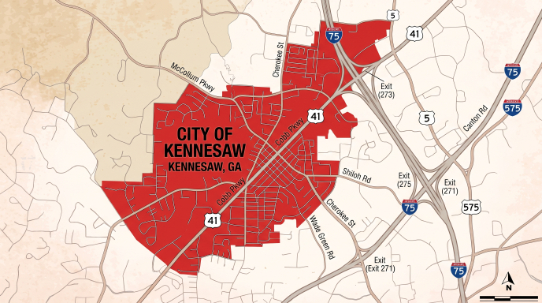
We serve Kennesaw and the surrounding Metro Atlanta communities, with local knowledge of clay-heavy soils, rainfall, and drought conditions that contribute to concrete settlement. Our regional experience helps us recommend suitable repairs and provide efficient scheduling.
We tailor each concrete leveling project to the property's structure, soil conditions, and settlement issues. Our planning includes site evaluations, material selection, scheduling, and equipment access, with minimal disruption to homeowners' routines and commercial operations.
Contact us by phone or through our website to schedule a concrete assessment. We inspect the slab, evaluate settlement, and recommend a suitable repair method, then provide a clear estimate outlining the work scope, timeline, and cost before work begins.
Our concrete lifting process follows three distinct phases, each designed to deliver accurate, long-lasting results with minimal disruption to your property.
We start every project with a thorough evaluation of the affected slab. Our team measures elevation differences, inspects the surface for cracking patterns, and checks subgrade conditions beneath the concrete.
This assessment tells us what caused the settling in the first place. Soil erosion, poor compaction, and moisture fluctuations are common culprits we look for.
Once we identify the cause, we outline a repair plan specific to your slab. We’ll explain:
You’ll receive this information before work begins, so there are no surprises once we start drilling.
We drill small holes, typically the size of a dime, at strategic points across the slab. These holes allow us to reach the void space beneath the concrete without damaging the surrounding surface.
Through each hole, we inject a dense polyurethane foam. The material expands within seconds, filling gaps and compacting loose soil as it spreads.
We monitor the lift closely during this stage. Our team watches elevation changes in real time and adjusts foam placement to raise the slab evenly rather than tilting it further.
This precision matters. Overfilling one section while underfilling another can create new unevenness, so we work methodically across the entire repair area until the slab reaches its target level.
After lifting, we re-measure the slab to confirm it matches the surrounding surface or the elevation you specified. We check multiple points, not just the center, to verify consistency across the full repair area.
Once we confirm the lift is accurate, we patch the injection holes with a matching compound. The patches blend closely with the existing concrete, so the repair isn’t visually obvious.
The foam cures quickly. In most cases, we clear you to walk on the surface within 15 minutes and resume vehicle traffic the same day.
We provide professional concrete lifting services in Kennesaw, GA, and surrounding communities. Our team helps homeowners and businesses address sunken slabs, uneven walkways, and drainage issues with tailored solutions designed to restore stability and reduce further damage.
We offer inspections for properties throughout our service area. During this visit, we examine the affected concrete, assess the soil conditions beneath it, and identify the likely cause of settling or unevenness.
We recommend scheduling an evaluation as soon as you notice sinking or shifting concrete, since delays can allow the underlying soil issue to worsen.
Concrete lifting raises practical questions about method, cost, scope, and timing. Below we answer the questions Kennesaw homeowners and business owners ask most before scheduling a project.
We drill small holes, typically 5/8 inch in diameter, into the sunken slab. Through those holes, we inject a two-part polyurethane foam that expands beneath the concrete.
As the foam expands, it fills voids and raises the slab back to its original position. The holes are then patched, and the foam cures within minutes.
Costs depend on slab size, the degree of settling, and site accessibility. A small sidewalk section costs less than a large commercial parking area.
We provide a written estimate after assessing your property. Most projects cost a fraction of full concrete replacement, since no demolition or new pour is required.
We lift driveways, sidewalks, patios, garage floors, and pool decks on residential properties. For commercial clients, we handle parking lots, loading docks, warehouse floors, and walkways.
Interior and exterior slabs both qualify, as long as the concrete itself is structurally sound.
The polyurethane foam we use does not break down, wash away, or compress over time. Once a slab is lifted and the soil beneath it is stabilized, the repair holds for years.
Results depend on soil conditions and drainage around the property. We can advise on steps to reduce future settling risk.
The foam reaches full strength within 15 minutes of injection. You can walk, park vehicles, or resume foot traffic on the slab shortly after we finish the job.
This is a key difference from traditional mudjacking or replacement, both of which require longer curing times before use.
We recommend lifting when the slab itself is intact and only the foundation beneath it has shifted. This applies to most settling caused by soil erosion or poor compaction.
Replacement becomes necessary if the concrete is cracked, crumbling, or structurally compromised. We’ll tell you directly which option fits your situation during the initial inspection.