Pole barns in Kennesaw, GA face constant exposure to heat, humidity, and temperature swings throughout the year. Without proper insulation, these buildings lose their ability to protect equipment, livestock, or stored items from the elements. Georgia Insulation provides pole barn insulation services that regulate temperature, control moisture, and make these structures usable in any season.
Metal and pole barn buildings react quickly to outdoor conditions, often becoming uncomfortably hot or prone to condensation. This affects homeowners storing vehicles or tools, as well as business owners running workshops or livestock operations out of these spaces. We work with property owners across Kennesaw and the surrounding area to address these issues directly.
A pole barn without insulation is vulnerable to energy loss, moisture buildup, and material damage over time. Our approach addresses these risks with insulation solutions suited to each building’s layout and use.
Homeowners in Kennesaw use pole barns for everything from parking equipment to hobby spaces, and each use case calls for a different approach to insulation. We apply spray foam based on how you use the space, what’s stored inside, and how much temperature control you need.
Garages and workshops need insulation that helps protect vehicles, tools, and equipment from temperature swings and moisture. Closed-cell spray foam creates an air seal around walls, roof decks, doors, and framing.
Metal roofs can transfer outdoor heat and cold directly into a pole barn. Spray foam applied to suitable roof decks and wall cavities helps reduce air leakage and manage condensation risks in Georgia's humid climate.
Storage areas may need targeted insulation to help protect furniture, documents, and seasonal equipment from temperature extremes and moisture. Finished hobby spaces require more consistent indoor comfort.
Commercial pole barns serve different purposes depending on industry, and insulation requirements shift accordingly. We tailor our approach based on how you use the space and what it needs to protect.
Warehouses and equipment storage structures hold inventory, machinery, or vehicles that can be damaged by temperature extremes and moisture. We use closed-cell spray foam on walls and ceilings to create a vapor barrier that keeps condensation from forming on metal surfaces.
This matters most during Georgia’s humid summers, when temperature differences between inside and outside air cause moisture to collect on uninsulated metal.
Our insulation also helps stabilize interior temperatures, which protects sensitive equipment from heat-related wear. For larger structures, we assess ceiling height and square footage to determine the right foam thickness for consistent coverage.
Agricultural buildings often house livestock, feed, or equipment that require specific temperature and humidity control. We install insulation that reduces heat buildup in summer and limits heat loss during cooler months, which supports better conditions for animals and stored goods.
Utility structures, including pump houses and storage sheds, benefit from the same moisture protection.
We pay close attention to ventilation when insulating these buildings, since airflow and insulation work together to prevent mold and mildew. Spray foam applied to roof decking and wall cavities addresses both concerns at once. We also account for ammonia and moisture exposure common in livestock facilities when selecting insulation materials.
Workshops and spaces where customers or clients visit require insulation that supports comfort year-round, not just protection of stored items. We insulate walls, ceilings, and sometimes floors to create stable indoor temperatures for employees and visitors.
Noise control is another factor we address in these settings, since spray foam reduces sound transfer between rooms and from outside.
For businesses that rely on a professional appearance, we finish insulation installations cleanly to maintain a polished interior. This includes careful attention to doorways, windows, and other openings where air leaks commonly occur. Proper insulation in these areas also reduces heating and cooling costs tied to daily operation.
Proper insulation affects temperature stability, energy use, and moisture control throughout your pole barn. Each of these factors contributes to a structure that performs better and lasts longer.
An insulated pole barn holds its interior temperature within a narrower range, regardless of outdoor conditions. We design insulation systems that reduce the swings between daytime highs and nighttime lows.
This matters for buildings used as workshops, livestock housing, or storage for temperature-sensitive equipment. Without insulation, metal panels transfer outside temperatures directly into the interior.
A consistent temperature range supports:
We select insulation materials and thicknesses based on how you use the space and the local climate in Kennesaw.
Air leakage through gaps, seams, and uninsulated sections forces heating and cooling systems to work harder. We address these gaps directly during installation to limit uncontrolled airflow.
A tighter building envelope means your HVAC or supplemental heating system cycles less often. This translates to lower utility costs over time, particularly in buildings that run climate control year-round.
We pair insulation materials with proper sealing at joints, around doors, and along the roofline. This combination addresses both conductive heat transfer through materials and convective heat loss through air movement, which insulation alone does not fully solve.
Metal buildings are prone to condensation when warm, moist air contacts cold metal surfaces. We design insulation assemblies that keep this moisture from forming on interior surfaces.
Vapor barriers, proper venting, and the right insulation placement all factor into this control. We account for the specific moisture sources in your building, such as livestock, vehicles, or stored materials, when planning the assembly.
Condensation control protects against:
Risk | Consequence Without Control |
Metal corrosion | Rust on panels and structural fasteners |
Mold growth | Health risks and material degradation |
Wood rot | Weakened framing over time |
Stored item damage | Moisture exposure to equipment or goods |
We build each assembly to match your building’s use and local humidity patterns around Kennesaw and the surrounding area.
An uninsulated pole barn exposes your building to temperature extremes, moisture damage, and material loss. These issues compound over time and often cost more to repair than the insulation would have cost to install.
Metal buildings conduct temperature changes directly through the roof and walls. Without insulation, summer heat transfers into the interior almost immediately, pushing indoor temperatures well above what’s comfortable or safe for equipment.
Winter works the opposite way. Heat generated inside escapes through the metal panels, forcing any heating system to run constantly just to maintain a livable temperature.
This cycle drives up energy costs for heated or cooled pole barns. We’ve seen owners run HVAC systems at full capacity year-round without achieving stable indoor temperatures, simply because the building envelope can’t retain conditioned air.
Temperature differences between the inside and outside of a metal building create condensation on interior surfaces. This moisture collects on roof panels, wall girts, and structural framing.
Over time, trapped moisture leads to:
Condensation is often worse in buildings with concrete floors or high humidity levels, since both contribute additional moisture to the air. Left unaddressed, corrosion can weaken structural connections and compromise the building’s long-term integrity.
A pole barn used as a workshop, garage, or office space becomes difficult to occupy without insulation. Indoor temperatures mirror outdoor conditions closely, making the space too hot in summer and too cold in winter for extended use.
Stored materials face similar exposure. Temperature-sensitive items such as electronics, paint, chemicals, or equipment can degrade faster when subjected to extreme swings.
Humidity fluctuations also affect wood, paper products, and fabric, leading to warping or deterioration. For business owners storing inventory or equipment, this translates to a direct financial risk tied to climate exposure.
We bring local experience, structured project planning, and building-specific insulation recommendations to every pole barn job we take on.
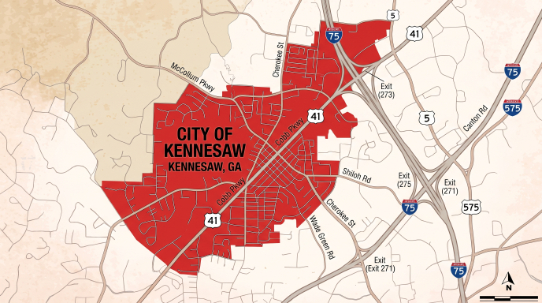
Based in Kennesaw, GA, we serve surrounding communities with pole barn insulation tailored to Georgia’s humidity and seasonal temperature changes. Our local experience helps us identify common insulation challenges, schedule site visits efficiently, and recommend solutions suited to your building’s needs.
We begin every pole barn insulation project with a clear plan tailored to your property and needs. Whether you’re a homeowner or business owner, we provide a written scope of work, estimated timeline, and upfront cost breakdown so you know what to expect before installation begins.
We customize pole barn insulation based on how you use the building, whether for storage, livestock, or workshops. We consider moisture control, temperature regulation, air quality, pest resistance, and seasonal use to recommend insulation that fits your structure’s specific needs.
Our installation process moves through four clear stages, from the first site visit to the final walkthrough. Each step is designed to keep you informed and ensure the insulation system matches your building’s specific structure and use.
We start by inspecting your pole barn in person. This includes measuring wall and ceiling dimensions, checking existing moisture levels, and noting any gaps in the building envelope.
We also ask about how you use the space. A workshop with temperature-sensitive equipment has different needs than a storage building or a barn used for livestock.
Based on this evaluation, we provide a written estimate. It outlines material costs, labor, and an estimated timeline, so you know what to expect before any work begins.
We offer two main spray foam options: open-cell and closed-cell. Open-cell foam is lighter and works well for interior walls where moisture exposure is lower.
Closed-cell foam is denser and provides a stronger vapor barrier, making it suitable for roof decks and areas prone to humidity. We’ll recommend the type that fits your building’s conditions.
Before application, we clear the work area and prepare surfaces. This involves:
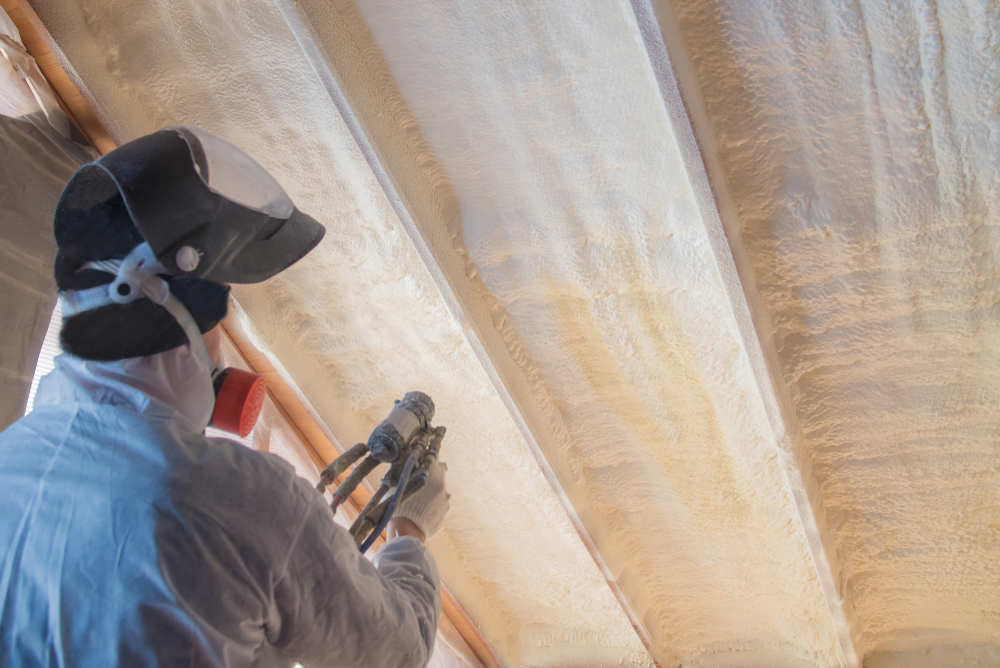
Our technicians wear protective equipment during application, including respirators and coveralls. Spray foam releases chemical compounds as it cures, so proper ventilation is required throughout the process.
We seal off the work zone and use fans to direct airflow away from occupied areas. If your building is attached to living or working spaces, we coordinate timing to limit disruption.
Once application is complete, the foam needs time to cure fully. We follow manufacturer guidelines for reentry, which typically means waiting 24 hours before anyone enters the treated area without protective gear.
After curing, we walk through the building with you to inspect the finished work. We check for complete coverage, proper adhesion, and any spots that may need touch-ups.
We’ll point out areas where the insulation addresses specific concerns you raised during the initial assessment, such as drafts near doors or moisture near the foundation.
Before we leave, we discuss maintenance expectations and answer any questions about how the insulation will perform through different seasons. We also provide documentation of the work completed for your records.
We provide professional pole barn insulation services in Kennesaw, GA, and surrounding communities. Our tailored insulation solutions help improve energy efficiency, manage moisture, and maintain comfortable conditions for agricultural buildings, workshops, and storage spaces.
Reduce heat transfer, control condensation, and improve indoor comfort with pole barn insulation in Woodstock, GA. Contact Georgia Insulation for a free quote.
Pricing, material selection, and performance expectations vary depending on the size and use of your pole barn. We’ve answered the questions we hear most often from homeowners and business owners in Kennesaw and the surrounding area.
Cost depends on the square footage of the structure, the insulation material you choose, and whether the building is new construction or an existing pole barn. Spray foam typically costs more upfront than fiberglass batt but delivers better air sealing and moisture control. We provide a detailed quote after assessing your specific building and goals.
Spray foam is our top recommendation for most pole barn applications because it seals gaps and adheres directly to metal and wood surfaces. Fiberglass batt and rigid foam board are also options, each with different cost and performance tradeoffs. We’ll help you compare these based on how you use your building.
Yes. Spray foam creates an air seal that reduces the temperature differential between the interior and exterior surfaces, which is what causes condensation to form on metal panels. This helps protect stored equipment, vehicles, and materials from moisture damage and rust.
Georgia’s climate typically calls for an R-value between R-13 and R-21 for walls and R-30 or higher for ceilings, depending on how the space is used. We assess your building’s purpose, whether it’s for storage, livestock, or a workshop, to recommend the right R-value for your situation.
Spray foam must be installed correctly to avoid issues like improper curing or gaps in coverage. We use trained technicians and quality materials to minimize these risks and ensure the insulation performs as expected over time.
Yes, we work with both new construction and existing pole barns. Retrofitting an existing structure may require additional prep work, such as addressing existing moisture issues, but it’s a service we provide regularly across Kennesaw and nearby areas.