
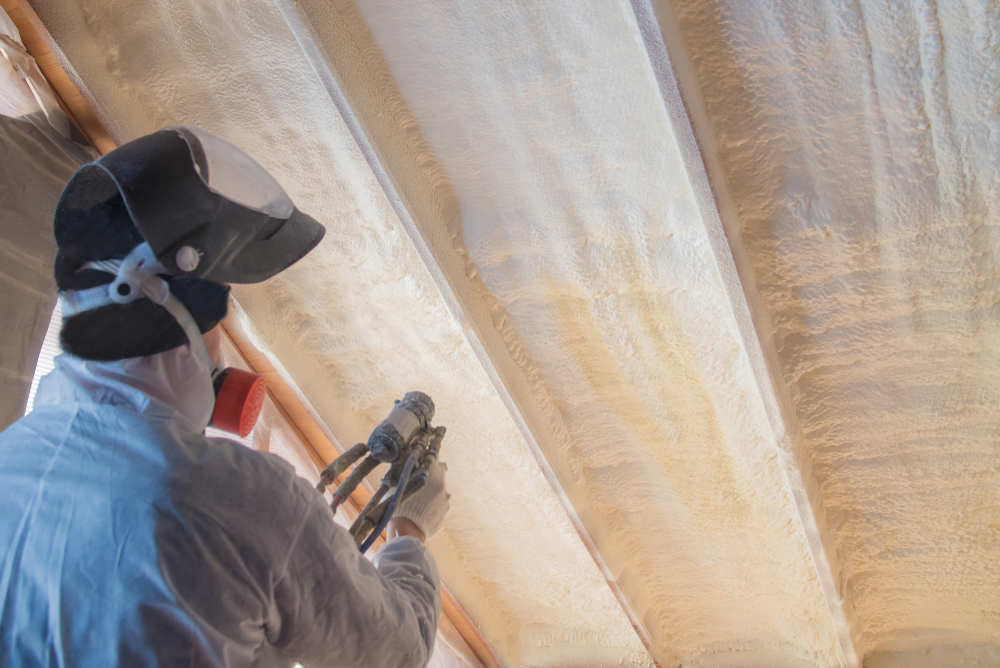
Homes and businesses across Newnan, GA lose energy through gaps, cracks, and poorly insulated spaces that traditional insulation materials fail to seal. Spray foam insulation expands to fill these gaps completely, creating an airtight barrier that stops energy loss at the source. We provide spray foam insulation services for homeowners and business owners throughout Newnan and the surrounding areas.
Uneven temperatures, high energy bills, and moisture problems often point to insulation that no longer performs as it should. Spray foam addresses these issues directly by sealing the building envelope, whether in an attic, crawl space, or commercial structure. We work with property owners to identify where their insulation is failing and apply a solution built for long-term performance.
Our team brings technical knowledge and local experience to every project, understanding the specific climate and construction challenges found in this region of Georgia. We handle both open-cell and closed-cell applications for residential and commercial properties, matching the product to the structure and the goal.
Traditional insulation leaves gaps around framing, penetrations, and irregular surfaces that allow air to pass through. We use spray foam because it expands to fill these spaces completely, eliminating the weak points that batts and rolls cannot cover.
Spray foam does two jobs at once: it insulates and seals air leaks. Fiberglass and cellulose slow heat transfer, but they do not stop air movement through gaps in the building envelope.
When we apply spray foam, it expands on contact and fills cracks around outlets, plumbing penetrations, and framing joints. This creates a continuous barrier without seams or gaps for air to pass through.
For homeowners and business owners, this means fewer drafts and less strain on HVAC systems. One application handles what would otherwise require separate insulation and air-sealing steps.
We offer two types of spray foam, and each suits different applications. We assess your property's specific needs before recommending one or a combination of both.
Density: Lighter and more flexible
Best for: Interior walls, attics, and sound dampening
Open-cell foam expands more and costs less per square foot, making it a practical choice for suitable interior spaces where moisture is not a concern.
Density: Denser and more rigid
Best for: Exterior walls, basements, and moisture-prone areas
Closed-cell foam offers a higher R-value per inch and adds structural rigidity, making it useful for applications that need greater insulation performance or moisture resistance.
Spray foam insulation performs differently depending on where we install it, and each area of a home or commercial building has its own airflow and moisture challenges. We apply the right product and technique for each space, from the attic down to the foundation.
Attics lose and gain heat faster than almost any other part of a home. We spray foam directly to the roof deck or attic floor, sealing gaps around vents, chimneys, and wiring penetrations that fiberglass batts typically miss.
This approach stops hot air from settling into living spaces during Georgia summers. It also keeps conditioned air from escaping through the roofline in winter.
Common attic applications include:
We assess whether an attic needs open-cell or closed-cell foam based on ventilation requirements and local building codes.
Exterior walls and rim joists are frequent sources of air leakage, even in newer construction. We inject or spray foam into wall cavities during new builds or renovations, filling irregular spaces that batt insulation can’t reach.
Rim joists, located where the foundation meets the wall framing, are especially prone to drafts and moisture intrusion. Closed-cell foam works well here because it creates both an air barrier and a moisture barrier in one application.
This matters for older homes with uneven framing or additions where gaps are common. We pay close attention to electrical boxes, plumbing lines, and window frames to maintain a continuous seal.
Crawl spaces and basements introduce moisture concerns that other areas of the home don’t face. We use closed-cell spray foam in these areas because of its resistance to water absorption and its ability to limit mold growth.
Encapsulating a crawl space with spray foam helps regulate humidity and reduces the risk of wood rot in floor joists above. In basements, we apply foam to rim joists and foundation walls to cut down on cold air infiltration.
Key considerations for below-grade spaces:
We evaluate each crawl space or basement individually before recommending a specific application method.
Commercial properties come in many forms, and we adjust our spray foam application based on building size, use, and existing structure. Each setting presents different insulation priorities, from temperature control in customer-facing spaces to air sealing in large industrial shells.
Offices and retail spaces depend on consistent indoor temperatures to keep employees productive and customers comfortable. We apply spray foam to exterior walls, ceilings, and areas around windows and doors to reduce drafts and temperature swings.
This matters most in buildings with large storefronts or high foot traffic, where doors open frequently throughout the day. Spray foam also helps control sound transfer between units in multi-tenant buildings.
Benefits for this building type include:
We work around existing fixtures and finishes, which makes spray foam a practical option for retrofits in occupied buildings.
Warehouses, distribution centers, and other large commercial buildings have different insulation needs due to their size and construction. We typically apply spray foam to metal roof decks, wall panels, and loading dock areas where air infiltration is common.
Closed-cell foam works well in these settings because it adds rigidity and helps protect metal surfaces from condensation. This reduces the risk of rust and moisture damage over time.
For temperature-sensitive storage, spray foam helps maintain stable conditions without requiring the HVAC system to work harder. We also insulate around large doors and dock levelers, since these areas lose conditioned air quickly if left untreated.
Spray foam insulation affects energy bills, indoor air quality, and the structural condition of a property. Below, we outline what Douglasville homeowners and business owners gain from proper installation and what they risk by delaying it.
Spray foam creates an air seal that traditional insulation materials cannot match. This matters most in Georgia’s climate, where summer heat and humidity put constant pressure on HVAC systems.
We find that properties insulated with spray foam maintain more consistent indoor temperatures from room to room. There are fewer hot spots in upper floors and fewer cold drafts near floors and windows.
This consistency reduces the workload on heating and cooling equipment. Over time, that translates to lower monthly utility costs and less wear on HVAC components.
Spray foam, particularly closed-cell formulations, acts as a barrier against moisture infiltration. This is relevant in attics, crawl spaces, and rim joists, where humid air often enters a structure.
We pay close attention to moisture control during every installation because unmanaged moisture leads to:
Proper application, including attention to ventilation requirements in certain areas, helps prevent these outcomes. We assess each space individually, since moisture risks vary between a residential crawl space and a commercial building’s roof assembly.
Air leaks don’t resolve on their own. They tend to compound over time as gaps widen and existing insulation settles or degrades.
Properties with unsealed gaps often see:
Issue | Result |
Continuous air leakage | Higher monthly energy bills |
HVAC overwork | Shorter equipment lifespan |
Pest entry points | Rodent or insect infestations |
Temperature inconsistency | Reduced comfort in living or work spaces |
We regularly inspect properties where small gaps around wiring, plumbing penetrations, or framing have gone unaddressed for years. In most cases, the cost of the energy lost through these leaks exceeds what proper sealing would have cost upfront.
We bring decades of combined insulation experience and local knowledge of Georgia’s climate to every job. Our recommendations are based on your building’s specific structure, not a one-size-fits-all approach.
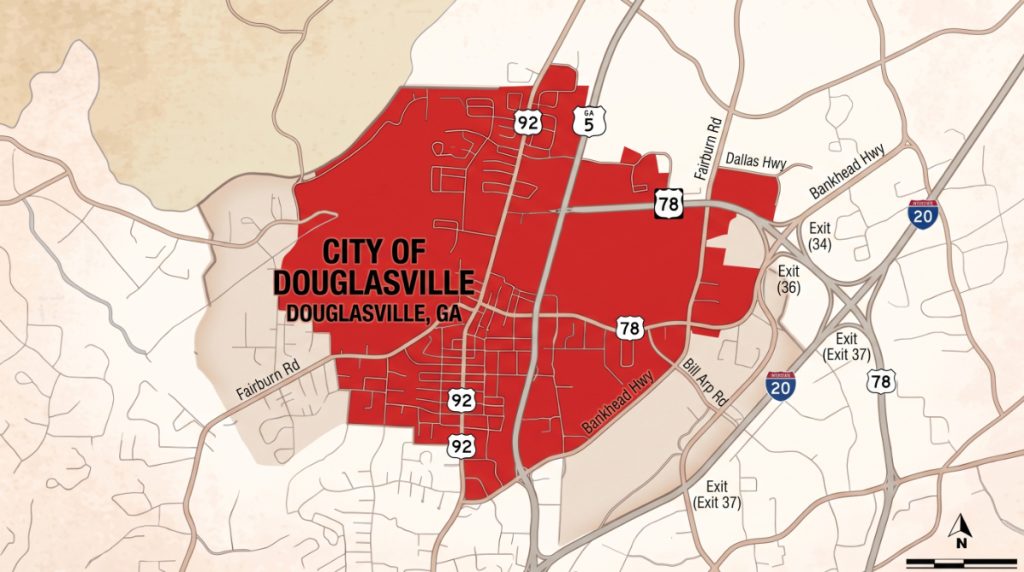
We serve Douglasville and surrounding Georgia communities, providing insulation solutions for residential and commercial properties. Our local team understands Georgia’s climate, building codes, and insulation needs, offering responsive service, reliable installation, and ongoing support.
We assess each property’s age, construction materials, climate exposure, and intended use to determine the most suitable insulation solution. By inspecting attics, crawl spaces, walls, and other areas prone to air leaks, we recommend the right spray foam type and application method for your building’s needs.
Spray foam installation involves three distinct phases, each requiring attention to detail. Here’s how we handle your project from the first visit to the final inspection.
Before any foam is applied, we inspect the space to identify air leaks, existing insulation conditions, and structural factors that affect application.
We check attics, crawl spaces, walls, or commercial cavities depending on your project scope.
Based on this assessment, we recommend either open-cell or closed-cell foam. Open-cell foam works well for interior walls and sound dampening, while closed-cell foam suits areas needing moisture resistance and higher R-value per inch, such as basements or exterior walls.
We also factor in local building codes and your budget. This step determines coverage areas, foam density, and the equipment needed for your specific property.
On installation day, our crew arrives and sets up protective coverings over floors, furniture, and fixtures near the work area.
We establish proper ventilation, since the application process requires temporary evacuation of the space. This is a standard safety measure, not a cause for concern.
Our technicians mix the foam components on-site and apply them directly to the substrate using professional spray equipment. Open-cell foam expands to fill gaps and irregular cavities, while closed-cell foam sets into a dense, rigid layer.
We work section by section, maintaining consistent thickness and coverage throughout.
After application, the foam needs time to cure fully before the space is safe to re-enter. Curing times vary based on foam type, thickness, and ambient conditions, but we’ll give you a clear timeframe before leaving the site.
Once cured, we conduct a final walkthrough with you.
We check for complete coverage, proper adhesion, and any areas that might need touch-ups. You’re welcome to ask questions or point out spots you want us to re-examine.
We also remove all protective coverings and clean the work area before considering the job complete.
We provide reliable insulation solutions for homes and businesses in Douglasville, GA, and nearby communities. Our team delivers tailored recommendations, quality installation, and dependable service to help improve energy efficiency and indoor comfort.
Improve energy efficiency, indoor comfort, and air sealing with professionally installed spray foam insulation. Get a free quote and find the right insulation solution for your home or commercial property.
Below we answer the questions we hear most often from homeowners and business owners in Douglasville about pricing, installation locations, and performance.
Pricing depends on square footage, the area being insulated, and whether you select open-cell or closed-cell foam. Closed-cell foam costs more per square foot due to its higher density and moisture resistance.
We provide free, no-obligation estimates based on an on-site assessment of your property. This allows us to give you an accurate number rather than a generic range.
We install spray foam in attics, crawl spaces, basements, exterior walls, and rim joists. Each area has different insulation needs based on moisture exposure and temperature variation.
Attics and crawl spaces are the most common applications we handle in Douglasville homes. These areas are often responsible for the largest energy losses.
Yes, spray foam works well in commercial settings including warehouses, retail spaces, and office buildings. We apply it to walls, roof decks, and metal buildings to control temperature and reduce noise transfer.
Commercial projects often require closed-cell foam for its added strength and moisture barrier properties. We assess each building individually to match the foam type to the structure’s use.
Open-cell foam is lighter, more flexible, and less expensive, making it a good fit for interior walls and attics where moisture isn’t a major concern. Closed-cell foam is denser, water-resistant, and adds structural rigidity to the area it’s applied to.
We recommend closed-cell foam for crawl spaces, basements, and areas exposed to higher humidity. Open-cell foam is typically sufficient for standard interior insulation needs.
When installed correctly, spray foam does not cause moisture issues. Problems usually arise from improper installation, inadequate ventilation planning, or using the wrong foam type for the application.
We follow manufacturer specifications and local building codes to avoid these risks. Our team also evaluates existing ventilation before starting any project.
Most residential projects take one to two days, depending on the size of the home and the areas being treated. Larger commercial jobs can take several days to a week.
We provide a timeline estimate after the initial inspection so you know what to expect. Curing time varies by foam type but typically allows normal use of the space within 24 hours.