
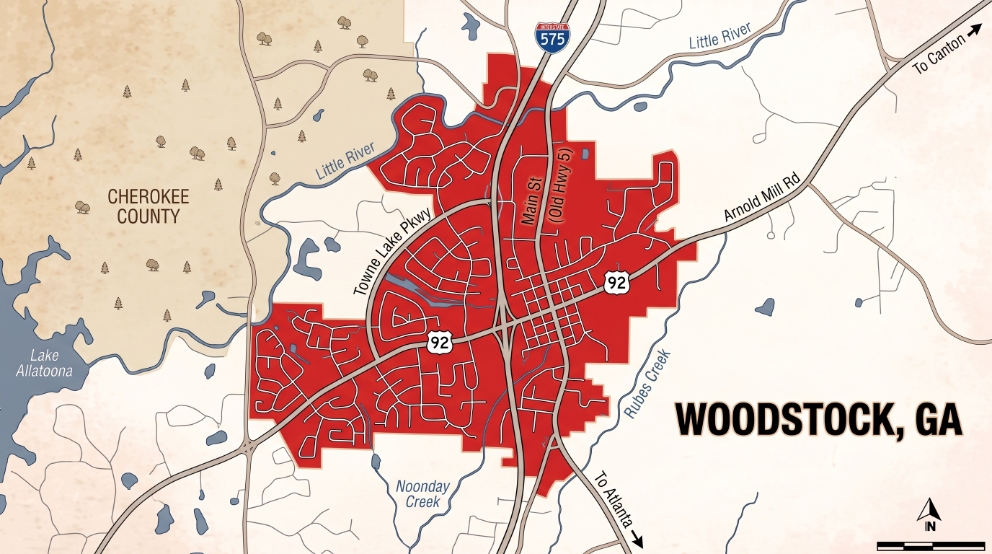
Crawl spaces in Woodstock, GA homes and businesses face a specific challenge: humidity from Georgia’s climate seeps in year-round, leading to moisture buildup that affects everything above it. Uninsulated or poorly insulated crawl spaces allow cold air, moisture, and even pests to enter your property, driving up energy costs and creating conditions for mold growth. At Georgia Insulation, we address this problem directly with crawl space insulation services designed for the specific conditions found throughout Woodstock and the surrounding area.
We work with homeowners and business owners who notice cold floors in winter, musty odors, or unexplained increases in their utility bills. These symptoms often point back to the same source: an unsealed or under-insulated crawl space beneath the structure.
Our approach combines proper insulation materials with moisture control techniques suited to this region’s climate. We explain what causes these issues, what happens if they go unaddressed, and how our process resolves them for good.
Spray foam performs well in several distinct areas of a property, each with its own moisture, access, and structural considerations. We apply it in crawl spaces, attics, walls, rim joists, and larger commercial assemblies, adjusting the approach based on the specific conditions of each space.
Crawl spaces are common sources of drafts, moisture, and energy loss. We typically apply closed-cell spray foam to the underside of the subfloor between floor joists to create a continuous thermal and air barrier.
Spray foam also helps seal gaps around wiring, plumbing, and ductwork that can be difficult to address with batt insulation. Closed-cell foam resists water absorption, making it an option for crawl spaces exposed to ground moisture or humidity.
For encapsulated crawl spaces, we can also apply foam directly to foundation walls to help bring the space within the home's conditioned envelope.
Get A Free QuoteBeyond crawl spaces, we install spray foam in other areas of residential properties to help reduce air leakage and improve thermal performance.
We select open-cell or closed-cell foam based on the location, access conditions, moisture considerations, and insulation goals.
Get A Free QuoteCommercial properties often have larger crawl spaces, complex mechanical systems, and specific code requirements. We apply spray foam in suitable crawl spaces, roof decks, and wall cavities to address the insulation needs of these structures.
Foam can help seal gaps around HVAC penetrations, electrical conduits, and plumbing runs that pass through floor and wall assemblies, supporting a more continuous thermal and air barrier.
We also coordinate with property managers and business owners to schedule installation around operating hours and help minimize disruption to daily activities.
Get A Free QuoteCrawl space insulation addresses three core issues that affect homes and commercial buildings in this area: temperature control, energy costs, and moisture management. Here is what you can expect when we insulate your crawl space.
An uninsulated crawl space allows outside air to influence the temperature of the floors above it. This creates cold spots in winter and uneven warmth in summer, particularly in rooms located above the crawl space.
Once we install proper insulation, we create a thermal barrier between the ground-level air and your living or working space. Floors stay warmer in winter and cooler in summer, without relying as heavily on your HVAC system to compensate.
This matters most in older Woodstock homes and buildings where the crawl space was never insulated to current standards. Occupants notice the difference in comfort within the first few weeks after installation.
Crawl spaces are a common source of air leakage. Gaps around vents, pipes, and foundation walls let conditioned air escape and outside air enter, forcing your heating and cooling system to work harder.
We seal these gaps as part of our insulation process. This reduces the volume of air your HVAC system needs to condition, which can lower monthly utility costs.
Energy waste from an unsealed crawl space adds up over time, especially given Georgia’s seasonal temperature swings. Proper insulation and air sealing address this at the source rather than compensating for it with a larger heating and cooling load.
Woodstock’s clay soil and humidity levels create conditions where moisture can accumulate in crawl spaces. Over time, this moisture contributes to wood rot, mold growth, and musty odors that can reach the floors above.
Insulation paired with a vapor barrier reduces the amount of moisture that enters the crawl space from the ground and surrounding air. We use materials and installation methods that limit how much humidity collects in this space.
Below is a brief comparison of outcomes:
Condition | Uninsulated Crawl Space | Insulated Crawl Space |
Moisture buildup | Common | Reduced |
Wood rot risk | Higher | Lower |
Musty odors | Frequent | Less frequent |
Addressing moisture at the crawl space level helps protect the structural components of your property.
An uninsulated crawl space does not stay contained to that one area of your home. The effects reach your floors, your utility bills, and the air you breathe indoors.
Without insulation, the floor above your crawl space has no barrier against outdoor temperatures. In winter, this means cold air transfers directly into your living space, and you may notice chilly floors in rooms directly above the crawl space.
This creates uneven comfort throughout your home. Rooms near the crawl space often feel noticeably colder than rooms elsewhere, forcing your heating system to work harder to compensate.
We find that homeowners frequently misdiagnose this issue, assuming their HVAC system is failing when the real problem is an uninsulated crawl space. Addressing the insulation directly resolves the temperature inconsistency at its source.
When your crawl space lacks insulation, your HVAC system has to offset the constant temperature exchange happening through your floors. This drives up energy consumption, and you’ll see the result reflected in your monthly utility bills.
Season | Impact of Uninsulated Crawl Space |
Winter | Heat escapes through floors, furnace runs longer |
Summer | Humid outdoor air raises indoor temperature and strain on AC |
Your system also experiences more wear from the extra workload. Over time, this can shorten the lifespan of your furnace or air conditioner and lead to more frequent repairs.
Crawl spaces without insulation are prone to condensation, especially when warm indoor air meets cool surfaces near the ground. This moisture buildup creates conditions that support mold growth and wood rot.
Left unaddressed, these issues can affect the air quality inside your home. Air from the crawl space moves upward through gaps and cracks, carrying mold spores, musty odors, and excess humidity into your living areas.
We’ve seen this contribute to respiratory discomfort for sensitive occupants, including children and older adults. Structural components like floor joists and subflooring can also weaken over time if moisture exposure continues unchecked.
We bring licensed technicians, tested materials, and a straightforward process to every crawl space project we take on. Our approach centers on accurate assessment and solutions built for your specific property, not a one-size-fits-all package.
We inspect each crawl space to identify moisture issues, air leaks, and insulation needs before recommending a solution. Options may include spray foam, vapor barriers, encapsulation, or batt insulation, with a plan tailored to your property’s specific conditions.
Based in Woodstock, GA, we serve surrounding communities with crawl space insulation tailored to local humidity and seasonal temperature changes. Our team provides timely inspections, clear recommendations, and straightforward communication for both older and newer homes.
Every crawl space project we complete follows a defined sequence: we inspect the space, select the right insulation and vapor barrier materials, complete the installation, and confirm the work meets code before we leave the site.
We start every job with a full inspection of the crawl space before we recommend any materials.
Our team checks for existing moisture damage, standing water, mold growth, and signs of pest activity. We also measure humidity levels and look for gaps in the foundation, vents, or ductwork that let outside air into the space.
This step matters because insulation installed over an unresolved moisture problem will fail within a year or two. We document what we find and explain it to you in plain terms, including photos where useful.
Based on this assessment, we determine whether you need full encapsulation, a vapor barrier alone, or a combination of insulation types. We don’t recommend a one-size-fits-all package before we’ve seen the space firsthand.
Once the inspection is complete, we match the insulation type to the conditions in your crawl space.
Material | Best Used For |
Closed-cell spray foam | Damp or moisture-prone crawl spaces, rim joists |
Rigid foam board | Foundation walls, areas needing a vapor-resistant layer |
Fiberglass batts | Dry, well-ventilated crawl spaces with minimal moisture risk |
We install a vapor barrier across the ground first in most cases, sealing seams and overlaps to prevent soil moisture from rising into the space. Insulation goes in next, applied to the foundation walls, rim joists, or subfloor depending on the plan we’ve agreed on with you. We seal gaps around pipes, wiring, and vents as we go, since these are common points where air and moisture sneak through.
Most residential crawl space projects take one to three days, depending on the size of the space and the extent of repairs needed beforehand.
A straightforward vapor barrier and insulation job on a smaller home can often be finished in a single day. Larger homes, commercial buildings, or crawl spaces requiring moisture remediation before installation will take longer.
We give you a specific timeline after the initial inspection, since square footage and existing damage are the two biggest factors. We don’t start installation until any moisture or structural issues are addressed, which can add time to the overall schedule but prevents problems later.
Spray foam isn’t the right choice for every crawl space, and we tell you when it isn’t.
It performs well in spaces with persistent moisture or temperature swings, since closed-cell foam resists water absorption and adds structural rigidity to rim joists and sill plates. However, it’s a poor fit for crawl spaces with active leaks or standing water that haven’t been corrected first, since foam will trap moisture against the surface.
Cost is another factor: spray foam costs more than rigid board or fiberglass, so we only recommend it where its moisture resistance and air-sealing properties justify the expense. For well-ventilated, dry crawl spaces, a vapor barrier paired with rigid foam board is often the more practical and cost-effective option.
We provide crawl space insulation services in Woodstock, GA, and surrounding areas, helping homeowners address moisture, drafts, temperature changes, and insulation issues. We assess each crawl space individually and recommend the right solution based on its condition, ventilation, and structure.
Starting with a consultation lets us evaluate your crawl space and identify the best insulation approach for your property.
We provide a written estimate after the inspection, with no obligation to proceed. This gives property owners time to review options before making a decision.
Costs, materials, and timelines vary depending on the size and condition of your crawl space. Below, we answer the questions we hear most often from homeowners and business owners in Woodstock.
Pricing depends on the square footage of your crawl space, the type of insulation you choose, and whether existing material needs to be removed first. We provide a free, no-obligation quote after inspecting your property, so you know exactly what to expect before work begins.
Closed-cell spray foam performs well in crawl spaces because it creates an air seal and resists moisture better than fiberglass batts. We also use rigid foam board for certain applications, depending on your crawl space’s layout and ventilation.
Yes, spray foam is a solid option for crawl spaces, especially in Georgia’s humid climate. It adheres directly to surfaces, filling gaps that other materials often miss, which helps reduce air leakage.
Insulation works alongside vapor barriers and proper sealing to reduce moisture buildup. We assess your crawl space for existing moisture issues before recommending a combination of insulation and moisture control methods.
Georgia’s building code typically calls for an R-value between 19 and 30 for crawl spaces, depending on your specific location and home design. We help you determine the right R-value for your property based on current code requirements and energy goals.
Most residential crawl space jobs take one day to complete. Larger commercial spaces or jobs that require extensive prep work, such as removing old insulation or addressing moisture damage, may take longer.