
Attic temperatures in a Newnan home can climb well above outdoor temperatures during summer months, and drop just as sharply in winter. Poor attic insulation is one of the main reasons homeowners see high energy bills and inconsistent indoor temperatures. We install attic insulation for homes and commercial buildings throughout Newnan and the surrounding area, addressing heat loss, moisture buildup, and reduced HVAC performance.
Business owners and homeowners come to us with the same core issue: an attic that is not doing its job. Whether the problem is outdated material, inadequate coverage, or damage from pests and moisture, we assess the space and apply insulation that matches the building’s structure and use.
Our team works on both residential attics and commercial roof spaces, using methods suited to each project. We walk you through the condition of your current insulation, explain what we recommend, and complete the work with minimal disruption to your home or business.
Spray foam insulation fits a wide range of spaces in homes and commercial buildings. The best application depends on the structure, local climate demands, and the specific performance goals you have for the space.
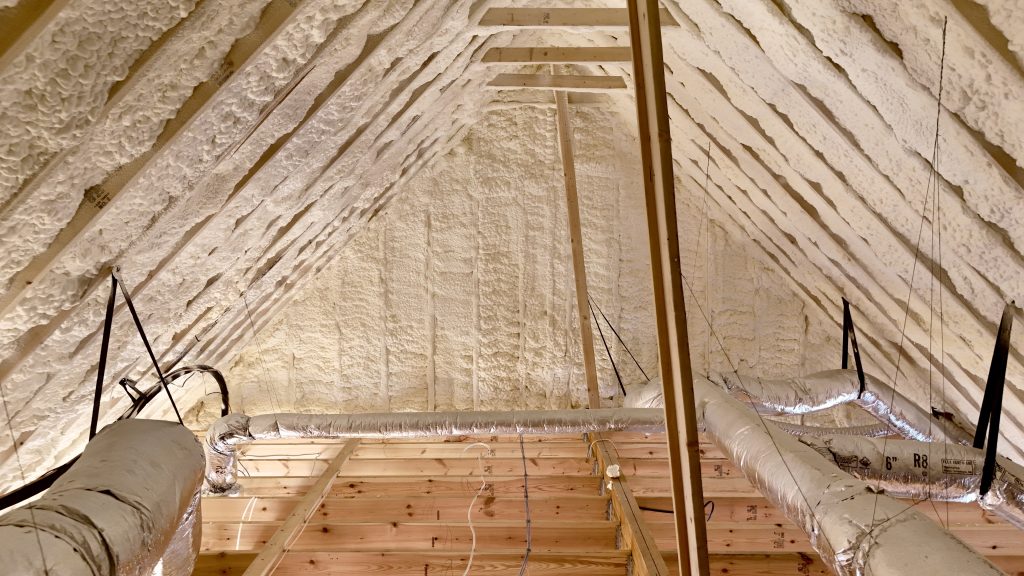
Attics are one of the most common places we apply spray foam insulation. We install it either along the attic floor or directly on the roofline, depending on whether you want a vented or unvented attic system.
Beyond attics, spray foam works well in several other areas of a home:
We select open-cell or closed-cell foam based on the space, moisture exposure, and your budget.
Commercial buildings present different challenges than residential homes, often involving larger rooflines, metal buildings, and more complex HVAC zoning. We apply spray foam directly to commercial rooflines to create a sealed, insulated barrier that reduces energy loss across large surface areas.
We also use spray foam in:
For commercial clients, we assess the building's structure and usage patterns before recommending open-cell or closed-cell applications, since factors like moisture control and fire codes often differ from residential projects.
Proper attic insulation delivers measurable results in both comfort and efficiency, and it also addresses one of the most common sources of energy waste in a building: air leakage.
A well-insulated attic keeps indoor temperatures stable throughout the year. In summer, it slows heat transfer from the attic into living or working spaces below.
In winter, it reduces heat loss, which means your HVAC system doesn’t have to work as hard.
We find that homes and businesses with upgraded attic insulation typically see:
For commercial buildings, this translates into predictable energy costs across larger square footage. For homeowners, it means a more consistent, comfortable environment without constantly adjusting the thermostat.
Attics are a major point of air leakage in most structures. Gaps around vents, wiring penetrations, and ductwork let conditioned air escape and allow outside air to enter.
We address this by combining insulation with air sealing, which closes these gaps before insulation is installed. This two-step approach prevents conditioned air from bypassing the insulation layer entirely.
Without proper sealing, insulation alone can’t fully stop air movement. That’s why our process focuses on identifying leak points first, then applying insulation to create a complete thermal barrier.
This reduces drafts, moisture infiltration, and uneven airflow in both residential and commercial properties.
Without enough attic insulation, homes and commercial buildings lose conditioned air through the roof, forcing the rest of the property to work harder to maintain a stable temperature. This creates two major problems: inconsistent indoor comfort and added wear on your HVAC equipment.
When attic insulation is missing or worn down, heat escapes during winter and enters freely during summer. This leads to noticeable temperature swings between rooms, especially on upper floors closest to the attic.
We often find that homes with inadequate insulation have:
These inconsistencies drive up energy use because the HVAC system has to compensate for air that’s constantly escaping. Over time, this shows up directly on monthly utility bills.
Your HVAC system is built to maintain temperature, not fight against constant air loss. When attic insulation can’t do its job, the system has to run longer and more frequently to keep up.
This added strain shortens the lifespan of heating and cooling equipment. It also increases the likelihood of breakdowns, since components wear out faster under continuous demand.
We regularly see this pattern in older homes and buildings where insulation was never updated. The system isn’t broken—it’s simply working against conditions it wasn’t designed to handle.
We bring local experience and building-specific knowledge to every attic insulation project. Our team works directly with homeowners and business owners to match the right insulation type and installation method to each property.
Based in Georgia, we serve Newnan and surrounding communities with attic insulation solutions suited to the local climate. Our crews understand regional homes, seasonal heat and humidity, common insulation issues, and local building codes, helping us recommend materials and R-values that support comfort and energy efficiency.
We tailor attic insulation to each property's size, age, condition, and use. We evaluate existing insulation, air leaks, roof structure, and ventilation before recommending spray foam, blown-in, or batt insulation for residential or commercial spaces.
Every project starts with an evaluation of your attic and ends with a final check to confirm the work meets our standards. Here’s what happens between those two points.
We begin by inspecting your attic to measure existing insulation depth, check for air leaks, and identify moisture or ventilation issues. We also look at the attic’s framing, access points, and any obstructions that could affect installation.
Based on what we find, we recommend a material and method suited to your home or building. For most attics, we install blown-in cellulose or blown-in fiberglass, though spray foam may be a better fit for certain roof lines or commercial spaces.
We factor in your climate zone, current R-value, and budget before finalizing a plan. We explain our reasoning so you understand why we’re recommending a specific approach, not just what it costs.
Before installation, we seal air leaks around recessed lighting, plumbing stacks, and attic hatches. We also install baffles near eaves to maintain proper ventilation once insulation is added.
For spray foam applications, we protect surrounding surfaces and ensure proper ventilation during curing. We apply the foam in controlled layers to reach the target thickness without gaps or thin spots.
For blown-in or batt insulation, we distribute material evenly across the attic floor, paying close attention to corners and areas around structural framing. We check depth consistently throughout the space to confirm it matches the recommended R-value for our region.
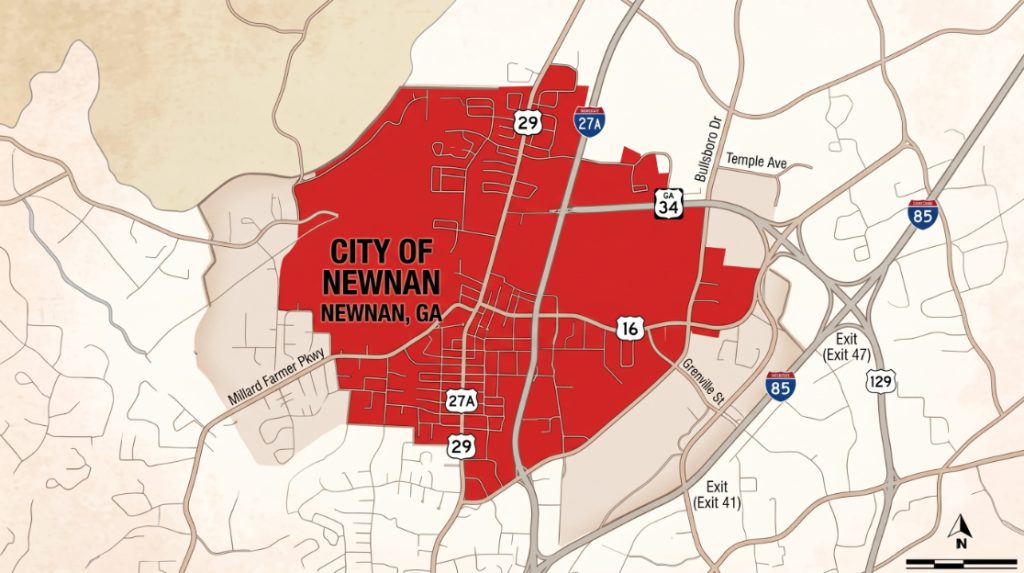
We provide attic insulation services in Newnan, GA and surrounding areas, helping homeowners improve indoor comfort and energy efficiency. Our team evaluates existing insulation, air leaks, moisture concerns, and attic conditions before recommending the right insulation approach for your home.
We start every project with an on-site evaluation. This lets us check current insulation levels, identify air leaks, and measure attic conditions before recommending a solution.
Our team inspects insulation type, depth, and coverage across the attic space. We also look for signs of moisture, pest activity, or ventilation issues that could affect performance.
After the evaluation, we provide a written estimate outlining the recommended insulation type and expected coverage. Scheduling is straightforward: call us or submit a request through our website, and we will arrange a convenient time to visit your property in Marietta or one of the surrounding communities we serve.
Homeowners and business owners in Newnan often ask us about R-values, pricing, material choices, and how attic insulation work fits into their existing structure.
For our climate zone, we typically recommend an R-value between R-38 and R-49 for attic spaces. This range accounts for Georgia’s hot summers and mild winters, balancing heat resistance with cost-effectiveness.
The right R-value depends on your home’s construction, existing insulation, and energy goals. We assess each attic individually before making a specific recommendation.
Pricing varies based on attic size, insulation type, and the condition of your existing insulation. Blown-in insulation generally costs less per square foot than spray foam, while spray foam offers additional air-sealing benefits.
We provide a detailed quote after an on-site inspection. This allows us to give you an accurate number based on your property’s specific needs rather than a generic estimate.
Spray foam works well for attics where air-sealing is a priority, particularly in homes with irregular framing or persistent air leaks. It creates a continuous barrier that blocks air movement, which blown-in or batt insulation does not do as effectively.
That said, spray foam isn’t the right fit for every attic or every budget. We review your attic’s structure and your goals before recommending this option.
In many cases, yes. If your current insulation is dry, free of mold, and not compacted, we can add new material on top of it to boost your R-value.
If the existing insulation is damaged, wet, or contaminated with pests, we recommend removal first. Installing new insulation over compromised material won’t solve the underlying problem.
Yes, we handle attic and roof-deck insulation for commercial properties throughout Newnan and the surrounding area. Commercial buildings often have different structural layouts and ventilation needs than residential attics.
We adjust our approach based on the building’s use, size, and existing HVAC setup. This ensures the insulation supports your building’s specific energy performance requirements.
Most residential attic insulation jobs take one day to complete, depending on the size of the attic and the scope of work. Jobs that involve insulation removal or extensive air-sealing may take longer.
Commercial projects vary more widely based on square footage and building complexity. We provide a time estimate as part of our initial quote so you know what to expect before work begins.