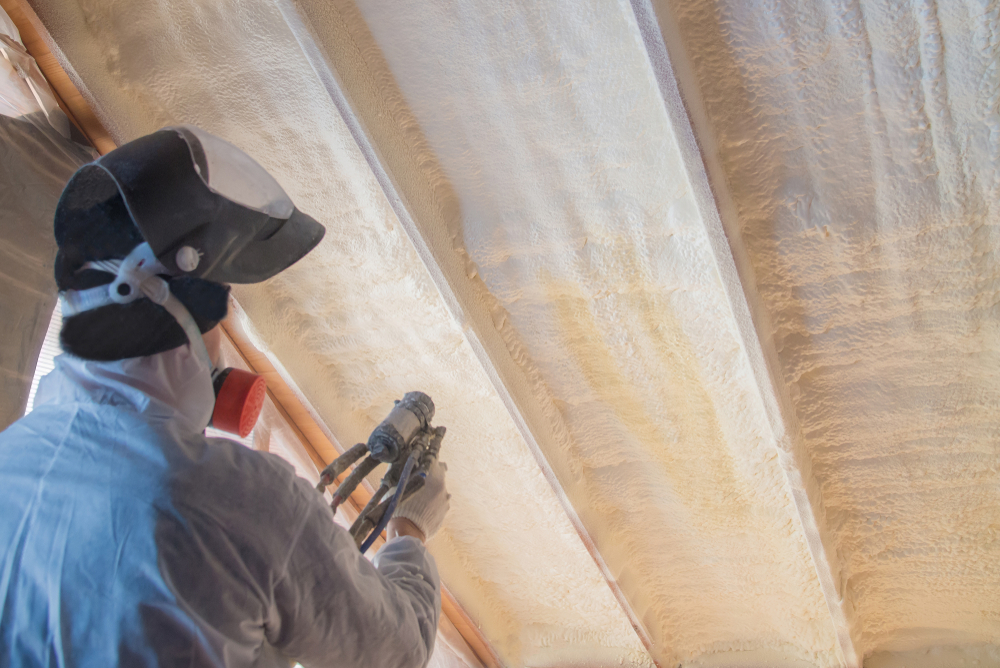
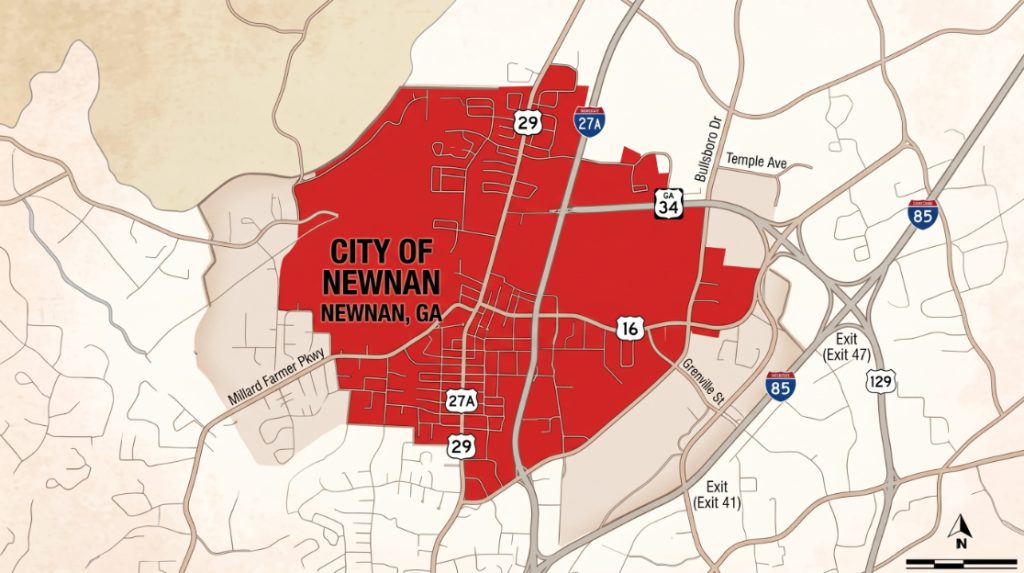
Homes and businesses across Newnan, GA lose energy through gaps, cracks, and poorly insulated spaces that traditional insulation materials fail to seal. Spray foam insulation expands to fill these gaps completely, creating an airtight barrier that stops energy loss at the source. We provide spray foam insulation services for homeowners and business owners throughout Newnan and the surrounding areas.
Uneven temperatures, high energy bills, and moisture problems often point to insulation that no longer performs as it should. Spray foam addresses these issues directly by sealing the building envelope, whether in an attic, crawl space, or commercial structure. We work with property owners to identify where their insulation is failing and apply a solution built for long-term performance.
Our team brings technical knowledge and local experience to every project, understanding the specific climate and construction challenges found in this region of Georgia. We handle both open-cell and closed-cell applications for residential and commercial properties, matching the product to the structure and the goal.
Newnan homes face humid summers, clay soil moisture, and older construction that leaves gaps for air and water to move through. We apply spray foam in the areas where these problems start, matching the product and method to each location.
Attics take the brunt of Georgia heat, and that heat moves directly into living spaces below if the insulation isn't doing its job. We spray closed-cell or open-cell foam along the roofline or attic floor, depending on whether you want a conditioned or vented attic design.
This seals gaps around rafters, chimney chases, and recessed lighting that fiberglass batts typically miss. In a conditioned attic setup, we spray the underside of the roof deck to bring ductwork and HVAC equipment inside the thermal envelope.
That reduces strain on your system during Newnan's long cooling season. We also check for existing moisture or ventilation issues before spraying, since trapping damp air behind foam can create problems rather than solve them.
Coweta County's clay soil holds moisture close to foundations, which pushes humidity into crawl spaces and basements year-round. We use closed-cell spray foam on crawl space walls and rim joists because it resists water absorption and blocks vapor transfer at the same time.
This helps control the musty air and wood rot that come from untreated crawl spaces. In basements, we apply foam to rim joists and sometimes to foundation walls, sealing the points where outside air typically leaks in around sill plates.
Key crawl space concerns we address:
Exterior walls hold a lot of small, overlooked gaps: outlet boxes, top and bottom wall plates, and the seams where different framing sections meet. We inject or spray foam into these areas during new construction or renovation work, when wall cavities are open and accessible.
In existing walls, injection foam fills cavities without major demolition. We also target hard-to-reach spots like band joists, knee walls, and skylight shafts, which are common air leak points that standard insulation doesn't reach.
Sealing these gaps cuts down on drafts and reduces the outside noise that travels through gaps in older Newnan construction.
Commercial properties have unique insulation needs based on layout, occupancy, and structural design. We apply spray foam across office complexes, retail stores, warehouses, and metal buildings throughout Newnan and the surrounding region.
Spray foam expands to fill gaps that traditional insulation often misses. This creates a tighter thermal envelope, which reduces the amount of heat that escapes in winter and enters in summer.
We find that this translates into lower energy consumption for heating and cooling systems. HVAC equipment doesn’t have to work as hard to maintain a set temperature.
Over time, this can lead to noticeable reductions in monthly utility costs. Unlike fiberglass batts, spray foam doesn’t compress or shift, so its insulating value remains stable year after year.
For both homeowners and business owners, this means fewer surprises on energy bills and less strain on equipment that regulates indoor temperature.
Air leaks are one of the biggest contributors to energy loss in a building. Gaps around windows, doors, electrical outlets, and structural joints allow conditioned air to escape and outside air to seep in.
We apply spray foam to seal these gaps directly, creating a continuous barrier that traditional insulation materials can’t match. This barrier blocks drafts and reduces the workload placed on heating and cooling systems.
A well-sealed building also keeps out dust, pollen, and outdoor pollutants that would otherwise enter through small openings. For commercial properties, this can support better indoor air quality across large spaces, which matters for employee comfort and operational consistency.
Office buildings and retail spaces rely on consistent indoor temperatures to keep employees productive and customers comfortable. We install spray foam in walls, ceilings, and roof assemblies to reduce temperature fluctuations between rooms and floors.
This insulation also helps control sound transfer between offices, meeting rooms, and shared walls. For retail spaces, we focus on sealing gaps around doors, loading areas, and HVAC penetrations where air leaks commonly occur.
Reducing these leaks lowers the workload on heating and cooling systems. Our team works around business hours and existing operations to minimize disruption during installation.
Warehouses and metal buildings face different challenges, including large open spaces, metal roofing, and exposure to outdoor temperature swings. We use closed-cell spray foam on metal roofs and walls because it adheres directly to metal surfaces and creates a durable air barrier.
This application helps prevent condensation buildup, which can lead to rust or damage to stored inventory. Metal buildings often experience significant heat gain in summer and heat loss in winter due to thin wall assemblies.
Spray foam addresses this by adding an insulating layer that metal alone cannot provide. We size our applications based on building height, roof pitch, and storage requirements specific to your facility.
Spray foam insulation affects two things directly: how much air moves through your walls and ceilings, and how well your building holds a stable temperature. The type of foam we use also determines how it performs in different parts of your home or facility.
Most heat loss and heat gain happens through air leaks, not through walls themselves. Spray foam expands on contact and fills gaps around studs, pipes, and wiring that traditional insulation leaves open.
Once we seal these gaps, your HVAC system doesn’t have to work as hard to maintain a set temperature. We see this translate into fewer hot and cold spots across different rooms.
A well-sealed building also resists outdoor temperature swings better. If a room near the thermostat stays comfortable but others don’t, that’s usually a sign of air leakage we can identify and address.
We select between two foam types based on your project’s needs:
Feature | Open-Cell Foam | Closed-Cell Foam |
Density | Lower, softer texture | Higher, rigid structure |
R-value per inch | Around R-3.5 | Around R-6 to R-7 |
Moisture resistance | Permeable | Acts as a vapor barrier |
Best use | Interior walls, attics | Exterior walls, roofs, below-grade areas |
Open-cell foam works well for interior sound dampening and areas where moisture isn’t a major concern. Closed-cell foam suits spaces exposed to moisture or where added structural rigidity helps, such as roof decks or foundation walls.
We’ll walk you through which option fits your specific application during your assessment.
Gaps and thin spots in your insulation translate directly into higher bills, inconsistent comfort, and moisture problems that can damage your property over time. We see these issues repeatedly in homes and buildings across Newnan, and most of them trace back to insulation that no longer does its job.
Poor insulation creates noticeable temperature swings from room to room. One area feels comfortable while another, often an upstairs bedroom or a space above a garage, stays too hot in summer or too cold in winter.
Drafts near windows, doors, and electrical outlets are a common sign that heat is escaping or entering where it shouldn’t. Your HVAC system works harder to compensate, cycling on and off more frequently than it should.
This uneven performance isn’t just an inconvenience. It places extra strain on your heating and cooling equipment, which can shorten its lifespan and lead to earlier repairs or replacement.
When insulation fails to hold a consistent air barrier, conditioned air leaks out and unconditioned air leaks in. We find this drives up monthly energy costs, sometimes significantly, as systems run longer to maintain a set temperature.
Moisture is a related concern. Inadequate insulation allows warm, humid air to meet cooler surfaces inside walls, attics, or crawl spaces, which can lead to condensation.
Over time, that trapped moisture creates conditions for:
Addressing these issues early with proper spray foam application helps prevent costlier structural repairs down the road.
Our team brings over 35 years of industry experience to every spray foam project, backed by local knowledge and a focus on matching the right product to your building’s specific needs.
Based in Gainesville, GA, we serve homeowners and businesses throughout Newnan and the surrounding area with insulation solutions suited to Georgia’s humidity and seasonal temperature changes. From single-room retrofits to full commercial projects, our local crews provide responsive service, understand regional building codes and construction styles, and assess each property individually to recommend the right insulation approach.
Every structure has different insulation needs based on its age, layout, materials, and existing conditions. We inspect areas such as attics, crawl spaces, wall cavities, and existing insulation to identify air leaks, moisture issues, and gaps before recommending the right open-cell or closed-cell spray foam solution. By considering your budget, climate exposure, and specific problem areas, we create an application plan designed to improve energy efficiency without adding insulation where it isn't necessary.

Every spray foam project follows a clear sequence, from our initial evaluation of your property to the moment you can safely return to the treated space. Below, we break down each stage so you know what to expect.
We start by inspecting your attic, walls, crawl space, or commercial structure to identify air leaks, moisture issues, and existing insulation conditions. Our team measures square footage and checks for accessibility or safety concerns before recommending a plan.
Based on the assessment, we help you choose between open-cell and closed-cell foam.
Factor | Open-Cell Foam | Closed-Cell Foam |
Density | Lighter, softer | Denser, rigid |
Moisture resistance | Lower | Higher |
Common use | Interior walls, attics | Crawl spaces, exterior walls |
We also calculate material quantities and discuss timelines with you before scheduling the work. This step prevents surprises once installation begins.
Before spraying, we cover and protect surfaces that aren’t being insulated, including floors, fixtures, and any exposed ductwork. Our technicians wear protective equipment, and we ventilate the work area properly.
The foam is mixed and applied using specialized equipment that controls temperature and pressure for consistent expansion. We work in sections, allowing the foam to cure as we move through the space.
Once application is complete, we conduct a final review. This includes:
We walk you through the finished installation before we consider the job complete.
Most residential attic or crawl space projects take between a few hours and one full day, depending on square footage and accessibility. Larger homes or multi-area projects may require two days.
Commercial buildings typically take longer due to scale. A single large space might take one to three days, while multi-room or multi-floor commercial projects can extend to a week or more.
We provide a time estimate after the site assessment, based on the specific scope of your project. Weather and site conditions can occasionally affect scheduling, and we communicate any changes as soon as they come up.
Spray foam cures quickly, but off-gassing continues for a short period after application. We recommend staying out of the treated area for at least 24 hours to allow proper curing and ventilation.
For larger commercial applications, we may recommend a longer re-entry window, depending on the volume of foam used and the building’s ventilation system. We’ll give you a specific timeframe based on your project.
Pets and sensitive individuals should avoid the space a bit longer, even after the standard waiting period. We’re available to answer questions about re-entry timing for your particular situation.
We provide professional spray foam insulation services for homes and businesses in Newnan, GA, and surrounding communities, helping improve comfort, energy efficiency, and moisture control.
Improve energy efficiency, indoor comfort, and air sealing with professionally installed spray foam insulation. Get a free quote and find the right insulation solution for your home or commercial property.
Homeowners and business owners often have questions about cost, application areas, material types, and performance before scheduling an insulation project. Below, we answer the questions we hear most often from clients in Newnan and the surrounding area.
Pricing depends on the size of the space, the type of foam used, and the areas being treated. Open-cell foam generally costs less than closed-cell foam due to differences in density and material composition. We provide a detailed quote after assessing your property, so you know exactly what to expect before work begins.
Spray foam can be applied in attics, crawl spaces, basements, exterior walls, and rim joists. In commercial buildings, it’s also used in roofing systems, metal buildings, and warehouse spaces. We evaluate each area to determine where foam insulation will have the greatest impact on energy efficiency.
Open-cell foam is softer and more flexible, making it a good fit for interior walls and attics where sound dampening is a priority. Closed-cell foam is denser, offers a higher R-value per inch, and adds structural rigidity, which makes it suitable for exterior applications and areas exposed to moisture.
Spray foam creates an air seal that reduces the amount of conditioned air escaping through gaps and cracks. This can lead to lower heating and cooling costs over time, though actual savings vary based on the home’s size, existing insulation, and local climate conditions.
When installed correctly, spray foam does not cause moisture issues and can actually help control humidity by sealing air leaks. Problems typically arise only when foam is applied improperly or when existing moisture sources aren’t addressed beforehand. We inspect for moisture concerns before installation to avoid this.
Most residential projects take one day, depending on the size of the home and the areas being insulated. Larger commercial projects may take longer due to the scope of the building and the amount of foam required. We provide a project timeline during your initial consultation.