
Commercial Insulation Newnan, GA
Trusted Spray Foam Solutions for Businesses
Commercial buildings in Newnan, GA face temperature swings, humidity, and energy loss that standard construction often fails to address. Georgia Insulation provides commercial insulation services designed to reduce energy costs, improve indoor comfort, and protect the structural integrity of your building.
Poor insulation affects more than comfort. It drives up utility bills, strains HVAC systems, and can lead to moisture problems that damage materials over time.
We work with business owners across Newnan and the surrounding areas to identify insulation gaps and apply solutions suited to each building type, from warehouses to retail spaces. Our approach focuses on practical results: lower energy consumption, consistent indoor temperatures, and fewer maintenance issues down the line.
Where Spray Foam Insulation Can Be Installed
Spray foam insulation adapts to nearly any structure, from large commercial buildings to residential attics. We install it in roof decks, walls, warehouses, offices, and crawl spaces, each requiring a slightly different approach.
Commercial Roof Decks, Walls, and Ceilings
Commercial roof decks lose and gain heat faster than most other building components. We apply closed-cell spray foam directly to the underside of the roof deck, creating a continuous air barrier that reduces thermal transfer.
Walls and ceilings benefit from the same approach. Spray foam expands to fill gaps around studs, joists, and electrical penetrations that batt insulation often misses.
This matters for Newnan businesses dealing with Georgia's humidity. A sealed envelope limits moisture infiltration, which protects structural materials over time.
We typically use closed-cell foam in these applications because of its higher R-value per inch and added rigidity. This makes it suitable for areas that need both insulation and structural support.
Warehouses, Offices, and Retail Spaces
Warehouses present a different challenge than offices or retail spaces due to their size and ceiling height. We assess the building's layout before recommending open-cell or closed-cell foam, since each performs differently depending on square footage and climate exposure.
Offices and retail spaces often have more complex layouts, with multiple rooms, HVAC zones, and finished interiors. Spray foam installed in these settings helps maintain consistent temperatures across different zones, which reduces strain on heating and cooling systems.
We also account for existing insulation and any code requirements specific to the building type. Retail spaces open to customers require minimal disruption during installation, so we schedule work around business hours when possible.
Attics and Crawl Spaces in Residential Properties
Attics and crawl spaces are common sources of energy loss in homes throughout Newnan and surrounding areas. We install spray foam along roof rafters or attic floors, depending on whether the attic is vented or unvented.
Crawl space encapsulation pairs well with spray foam application. Sealing this area helps control moisture, which reduces the risk of mold growth and wood rot.
Homeowners often notice these two areas first when energy bills increase. Addressing both with spray foam creates a more consistent thermal boundary for the entire structure.
Benefits for Business Owners
Commercial insulation affects your bottom line in ways that go beyond energy bills. The right system also stabilizes your building’s environment and improves conditions for everyone inside it.
More Consistent Indoor Temperatures
Buildings without adequate insulation experience temperature swings throughout the day. Heat escapes through walls and roofs in winter, and warm air seeps in during summer, forcing your HVAC system to work harder.
We install insulation that creates a stable thermal barrier across your building’s envelope. This barrier keeps conditioned air inside and reduces the impact of outdoor temperature changes.
The result is a more predictable indoor climate, regardless of the season. Your heating and cooling equipment can maintain set temperatures with less cycling, which reduces wear on the system over time.
For businesses with temperature-sensitive operations, such as storage facilities or retail spaces, this consistency protects inventory and equipment from fluctuations that could affect quality or performance.
Reduced Air Leakage
Air leakage occurs at gaps, seams, and poorly sealed areas throughout a commercial structure. These leaks let conditioned air escape and allow outside air to enter, undermining your HVAC system’s efficiency.
We use spray foam insulation to seal these gaps because it expands to fill irregular spaces that other insulation types cannot reach. This includes areas around pipes, wiring penetrations, and structural joints.
Reduced air leakage means your building retains conditioned air longer. This lowers the demand on your heating and cooling equipment and can lead to measurable reductions in energy costs.
Sealing air leaks also limits the entry of dust, pollen, and outdoor pollutants, which contributes to better indoor air quality for your staff and customers.
Greater Comfort for Staff and Customers
Temperature inconsistency and drafts create an uncomfortable environment for anyone inside your building. Employees working near poorly insulated walls or windows often deal with cold spots in winter and excess heat in summer.
Proper insulation eliminates many of these discomfort sources. Staff can work in a stable environment without adjusting thermostats constantly or relying on space heaters and fans to compensate for inconsistent conditions.
Customers notice building comfort too, particularly in retail stores, offices, and service businesses where they spend extended time. A consistently comfortable space supports a better overall impression of your business.
We find that comfort improvements often lead to secondary benefits, including fewer employee complaints about working conditions and a more professional environment for client-facing spaces.
The Cost of Leaving Buildings Underinsulated
Underinsulated commercial buildings create problems that extend beyond a single high utility bill. Over time, gaps in insulation coverage lead to higher operating costs, inconsistent indoor conditions, and structural risks that can affect your property for years.
Higher Heating and Cooling Demand
When insulation is insufficient, your HVAC system works harder to maintain a stable indoor temperature. Conditioned air escapes through walls, roofs, and gaps, forcing equipment to run longer and more frequently.
This added strain shows up in two ways: higher monthly energy bills and faster wear on your HVAC units. We’ve seen commercial properties spend significantly more on heating and cooling simply because the building envelope isn’t doing its job.
Equipment replacement costs add up quickly, and premature system failure is a common result of constant overuse. Addressing insulation gaps reduces the burden on your HVAC system and helps control energy spending month to month.
Drafts and Uneven Temperatures
Poor insulation often creates noticeable temperature differences between rooms or floors within the same building. Employees and customers may feel cold air near windows, doors, or exterior walls, even when the thermostat reads a comfortable setting.
These drafts aren’t just an inconvenience. They can affect:
- Employee comfort and productivity in office or retail settings
- Customer experience in spaces open to the public
- Equipment performance in areas requiring stable climate control
Uneven temperatures also make it harder to predict how a space will feel throughout the day. We find that buildings with inconsistent insulation coverage often have “hot spots” and “cold spots” that never fully resolve, regardless of thermostat adjustments.
Potential Moisture Concerns
Insufficient insulation can contribute to moisture buildup inside walls, ceilings, and other structural areas. When warm, humid air meets cooler surfaces without adequate insulation separating them, condensation can form.
Over time, this moisture creates conditions that support mold growth and material deterioration. We’ve worked with property owners who discovered hidden moisture damage only after it had already affected drywall, insulation materials, or structural components.
Addressing insulation gaps early helps reduce the likelihood of these moisture-related issues. Catching the problem before it escalates can save you from more costly repairs tied to mold remediation or structural damage down the line.
Why Work With Georgia Insulation
We evaluate your building’s structure, usage, and existing insulation before recommending a solution, and we provide local service with direct access to our team throughout the installation process.
Insulation Recommendations Based on Your Building
Every commercial building has different insulation needs based on its construction, age, purpose, and exposure. We evaluate factors such as roof type, wall cavities, HVAC load, moisture, R-value requirements, and local building codes before recommending the right insulation materials and application areas. We explain our recommendations before work begins so you understand the approach and why it fits your building.
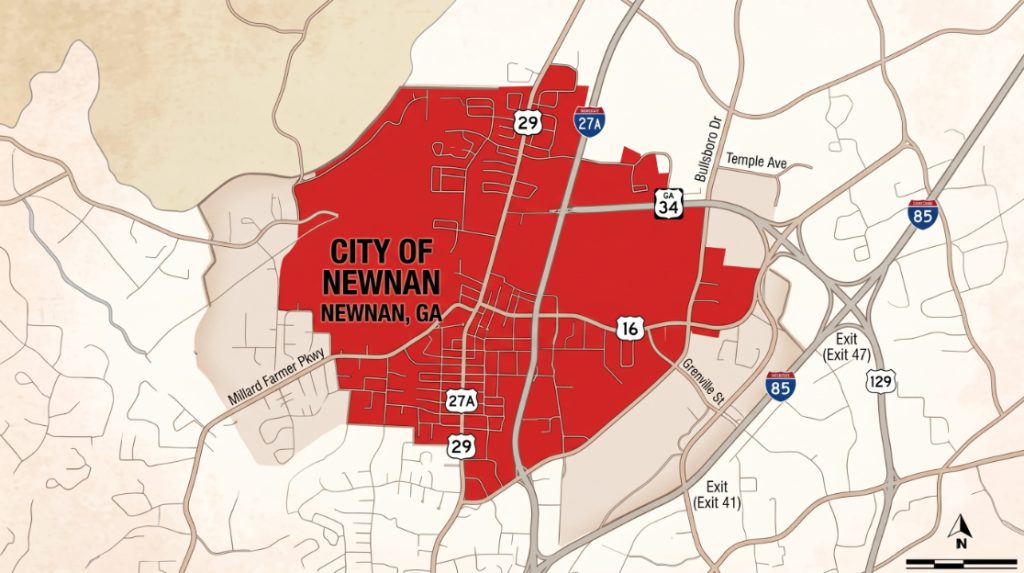
Service in Newnan and
Surrounding Areas
Based in Newnan, GA, we serve commercial properties throughout the surrounding region with insulation services tailored to local building codes, climate conditions, and construction types. Our local crews provide flexible scheduling, on-site assessments, and follow-up support while working around your business hours and project needs.
Our Installation Process
Every project follows three stages: assessment, planning, and execution. This structure allows us to address your building’s specific insulation needs while minimizing disruption to your operations.
01 Building Assessment
We begin with an on-site inspection of your commercial property. Our team examines walls, roofing, attic spaces, and any metal building components to identify gaps, moisture issues, and areas of heat loss.
We check existing insulation (if any) for damage, compression, or inadequate R-values. We also review your building’s layout, HVAC system, and energy usage patterns.
This step gives us a clear picture of where energy is escaping and which areas need the most attention. We document our findings and discuss them with you before moving forward.
02 Scope and Product Recommendations
Based on the assessment, we outline a project scope tailored to your building type and budget. We recommend specific materials—spray foam, reflective insulation, or fiberglass batts—depending on where they’ll be applied.
Area | Common Recommendation |
Metal building walls/roof | Reflective insulation |
Attics and ceilings | Spray foam or fiberglass batts |
Crawl spaces | Spray foam |
Interior walls | Fiberglass batts |
We explain the reasoning behind each recommendation, including expected performance and cost. You review the plan and approve the scope before we schedule installation.
03 Installation and Final Review
Our licensed technicians install the approved insulation materials using industry-standard equipment and safety practices. We work efficiently to limit downtime for your business.
Once installation is complete, we conduct a final walkthrough with you. We check coverage, seal quality, and overall application to confirm the work meets our standards.
We address any questions you have at this stage. You receive documentation of the completed work for your records.
Serving Newnan, GA and Surrounding Areas
We provide commercial insulation services for offices, warehouses, retail spaces, and other commercial properties in Newnan, GA, and surrounding areas, helping businesses improve energy efficiency, comfort, and moisture control.
Testimonials
Improve Your Commercial Building’s Efficiency
Upgrade your commercial property with insulation designed for better energy efficiency, indoor comfort, and long-term performance. Contact Georgia Insulation today for a free quote tailored to your building.
Frequently Asked Questions About Commercial Insulation in Newnan, GA
Business owners in Newnan often ask about cost, materials, and timing before scheduling an insulation project. Here are the answers we provide most often.
How much does commercial insulation cost in Newnan, GA?
Cost depends on your building’s square footage, the type of insulation we install, and how much access our crew has to the work areas. Spray foam typically costs more upfront than fiberglass or cellulose, but it lasts longer and performs better in most commercial settings. We provide a written estimate after inspecting your property, so you know the exact cost before work begins.
Which parts of a commercial building can be insulated?
We insulate attics, roof decks, exterior walls, crawl spaces, and metal building interiors. Loading docks, mechanical rooms, and storage areas also benefit from added insulation, especially in buildings with inconsistent temperatures. Each area requires a different approach based on material type and building design.
Is spray foam right for my building?
Spray foam works well for metal buildings, warehouses, and structures with irregular framing or hard-to-reach spaces. It seals air leaks that other materials miss, which matters in older buildings or those with gaps around pipes and wiring. We assess your building’s construction and current insulation condition before recommending spray foam over other options.
What R-value does my commercial building need?
R-value requirements vary based on your building’s location, use, and local building codes. A warehouse with minimal climate control needs a different R-value than an office space with year-round HVAC use. We calculate the right R-value for your specific building during our initial assessment.
How long does installation take?
Most commercial insulation projects take one to five days, depending on the size of the building and the scope of work. A small office retrofit moves faster than a full warehouse or multi-unit commercial property. We give you a project timeline before starting, so you can plan around it.
Will installation disrupt business operations?
We schedule work to minimize disruption, often completing jobs during off-hours or in sections to keep parts of your building operational. Spray foam installation requires temporary ventilation and limited access to the work area during curing, but this is typically confined to specific zones. You can discuss scheduling options with us in advance to fit your business needs.