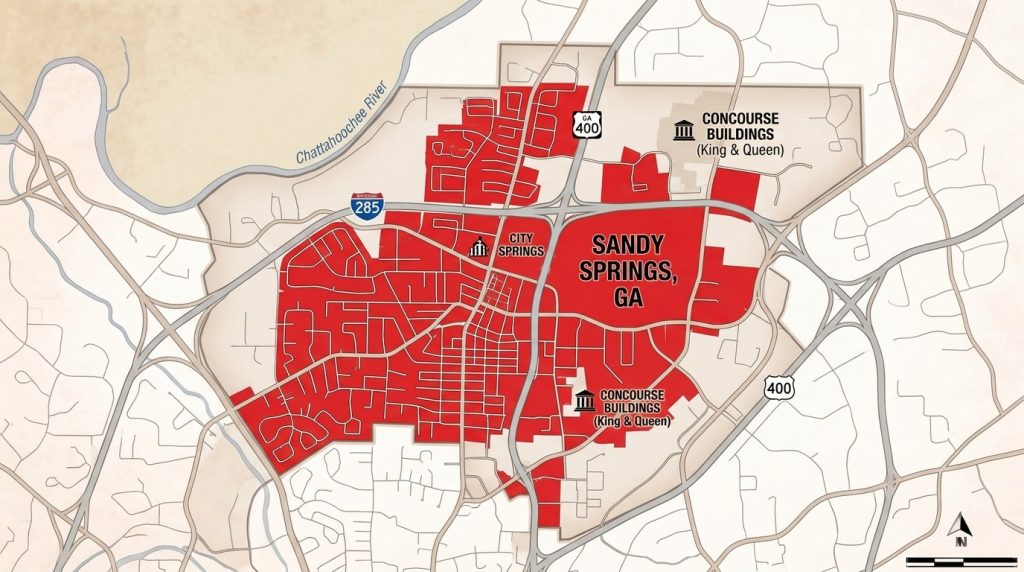
Metal buildings in Sandy Springs face constant temperature swings, humidity, and condensation that standard construction methods were never designed to handle. Georgia Insulation provides commercial-grade insulation systems built specifically for metal structures, addressing the heat transfer and moisture problems that lead to higher energy bills and structural wear.
We work with business owners who need practical solutions for warehouses, workshops, and commercial facilities across the Sandy Springs area. Our approach targets the specific challenges metal buildings present, including thermal bridging through metal framing and condensation that forms when temperatures shift.
Without proper insulation, metal buildings lose conditioned air quickly and develop moisture problems that can damage inventory, equipment, and the building itself. We help business owners avoid these costly issues with insulation systems matched to their building’s use and local climate conditions.
Metal buildings lose and gain heat through several distinct areas, and each one requires a different approach to insulation. We assess your roof, walls, and interior spaces separately to determine where spray foam or other insulation methods will deliver the most value.
The roof deck is often the largest surface area of a metal building exposed to outdoor temperatures. We apply spray foam directly beneath the roof deck to create a continuous air seal and help control heat transfer.
This approach can help reduce hot and cold spots while limiting air movement through gaps around roof panels and structural connections. It also helps address areas where condensation may lead to moisture concerns or damage over time.
For buildings with drop ceilings or exposed roof beams, we adjust the installation approach based on the existing structure and how the space is used. Proper coverage helps support more consistent indoor temperatures and energy performance.
GET A FREE QUOTEMetal building walls contain structural girts and wall panels that can create open cavities where heat can move through the building envelope. Spray foam fills these areas to help reduce air leakage and improve thermal performance.
We pay close attention to areas where gaps and connections are common, including:
After installation, we inspect the wall system for existing gaps, damaged areas, and other conditions that may affect insulation performance.
GET A FREE QUOTEInterior walls and mechanical areas can affect how conditioned and unconditioned spaces interact. We use spray foam in these areas to help control air movement and reduce the heating and cooling load placed on nearby rooms.
Mechanical rooms, utility spaces, and areas around HVAC equipment may have ductwork, pipes, electrical lines, and other penetrations that create air leakage points. Spray foam can seal around these areas while helping separate spaces with different temperature requirements.
Addressing interior partitions and mechanical spaces as part of the insulation plan helps create a more cohesive building envelope and supports consistent performance throughout the structure.
GET A FREE QUOTEBetter thermal performance in a metal building translates directly into measurable savings and a healthier working environment. Reduced energy waste, controlled moisture, and quieter interiors each contribute to lower operating costs and fewer maintenance headaches.
Metal conducts heat quickly, which means uninsulated buildings lose warmth in winter and absorb heat in summer at a much faster rate. This forces HVAC systems to run longer and harder to maintain a stable temperature.
We install insulation that slows this heat transfer, reducing the workload on heating and cooling equipment. Our clients typically see a noticeable drop in monthly utility bills once the building envelope is properly sealed and insulated.
Less strain on HVAC systems also means:
Metal surfaces react to temperature changes by producing condensation, especially when warm, humid air meets a cold roof or wall panel. Over time, this moisture leads to rust, mold growth, and damage to stored inventory or equipment.
We address this with insulation systems that include a proper vapor barrier, which limits the amount of moisture reaching the metal surface. This keeps humidity levels more stable throughout the building.
Controlling condensation protects:
Uninsulated metal buildings often have uneven temperatures, with areas near exterior walls feeling noticeably colder or hotter than the rest of the space. We correct this imbalance by installing insulation that helps maintain consistent temperatures across the entire building.
Insulation also absorbs sound, which reduces the noise from rain, wind, and mechanical equipment that metal buildings are known to amplify. This is particularly useful for warehouses, workshops, and offices where consistent noise can affect productivity and communication.
A properly insulated building gives employees a more stable, quieter environment to work in throughout the year.
An underinsulated metal building doesn’t just feel uncomfortable. It creates measurable financial and structural problems that compound over time.
Uninsulated steel panels transfer heat rapidly in both directions. In summer, we see buildings absorb outdoor heat and pass it directly into the workspace, forcing HVAC systems to run longer and harder.
Winter creates the opposite problem. Heat generated indoors escapes through the metal shell almost as fast as it’s produced.
Over a year, this constant temperature loss adds up. We regularly find that businesses with poorly insulated metal buildings spend 20-30% more on heating and cooling than comparable insulated structures.
That difference shows up every month on the utility bill, not as a one-time expense.
Metal surfaces react to temperature differences by producing condensation. When warm, moist air inside a building meets a cold, uninsulated roof or wall panel, water forms on the metal’s interior surface.
This moisture doesn’t evaporate quickly in an enclosed space. Instead, it sits on the steel, creating conditions for rust and corrosion.
We’ve inspected buildings where years of unaddressed condensation led to:
Corrosion compromises the building’s integrity over time, and repairs cost significantly more than preventing the moisture problem in the first place.
Temperature swings inside an underinsulated building affect the people working there. Employees in warehouses, workshops, or offices housed in metal structures often deal with spaces that are too hot in summer and too cold in winter.
This discomfort reduces productivity and increases complaints. In some cases, we’ve seen businesses lose staff hours to heat-related breaks or delayed start times during cold snaps.
Noise is another factor. Uninsulated metal roofs amplify sound from rain, hail, and wind, which can disrupt phone calls, meetings, or focused work.
For businesses running sensitive equipment or storing temperature-controlled goods, these fluctuations create operational risks that extend beyond simple discomfort.
We bring decades of hands-on insulation work to commercial properties, and we apply that background to match spray foam solutions with each building’s specific layout and use. Our approach centers on accurate assessment, correct application, and dependable follow-through.
We have worked on commercial insulation projects for over 35 years, giving us direct experience with how metal buildings perform under different conditions. Our work includes warehouses, manufacturing facilities, agricultural structures, and retail spaces, each with its own insulation challenges. A warehouse with high ceilings, for example, requires a different approach than a retail space with regular foot traffic. After handling these different project types over the years, we know what approaches work and can apply that experience to reduce guesswork and help prevent costly installation mistakes.

No two metal buildings are identical, so we assess each structure before recommending an insulation plan. We consider factors such as how the building is used, whether there are existing moisture or condensation issues, the condition of the roof and wall panels, and its exposure to local weather conditions. Based on this assessment, we determine the appropriate spray foam type and thickness for the walls, roof, and other areas that need coverage. This approach allows us to tailor the insulation to the building's actual condition and day-to-day use instead of applying a generic solution.
We serve business owners throughout Sandy Springs and the surrounding region, and we schedule work to fit around business operations whenever possible. Our crews arrive prepared with the right materials and equipment for the job at hand. We communicate clearly about timelines before work begins, so there are no surprises once installation starts. Business owners in this area can expect straightforward answers about what the insulation project involves, how long it will take, and what results to expect once the work is finished.
We follow a structured process for every metal building project in Sandy Springs and surrounding areas. Each step addresses a specific part of the job, from initial evaluation to final quality checks.
We start with a thorough inspection of your metal building. Our team measures wall and roof panels, checks existing insulation condition, and identifies areas prone to condensation or thermal bridging.
We look at your building’s specific use, whether it’s a warehouse, office space, or manufacturing facility. Each use case has different insulation requirements.
Based on our findings, we provide a written recommendation. This includes:
We discuss options with you before moving forward. This ensures the plan fits your budget and building needs.
Our crew arrives with the equipment and materials specified in your assessment. We protect existing fixtures, equipment, and flooring before starting work.
For spray foam applications, we apply the material directly to metal ribs and panels. This creates a continuous seal that conforms to the building’s structure, covering:
We apply insulation in controlled layers to reach the target R-value. Our technicians monitor thickness and coverage throughout the process to avoid gaps or thin spots.
We follow manufacturer specifications for cure times and application temperatures. This affects how well the insulation performs once installed.
Once installation is complete, we inspect the entire application. We check for consistent coverage, proper adhesion, and any missed spots along seams or corners.
We test problem areas we identified during the initial assessment. This includes spots prone to moisture or temperature loss.
Our team removes all equipment, packaging, and debris from the site. We leave your building ready for immediate use.
Before we leave, we walk through the completed work with you. We answer questions about maintenance and point out any areas that may need attention over time.
Georgia Insulation works with commercial property owners and facility managers across the Atlanta metro region. Below we outline the areas we cover and what to expect when you request a consultation.
Requesting an estimate starts with a phone call or a form submission through our website. We ask for basic details about your building, including square footage, current insulation status, and the type of metal structure you operate.
From there, we schedule an on-site visit. A team member inspects the building, measures relevant areas, and discusses your priorities, whether that’s temperature control, moisture prevention, or energy costs.
We then provide a written estimate that breaks down materials, labor, and timeline. There is no obligation to proceed after receiving the estimate. We aim to respond to consultation requests promptly, usually within one to two business days.
Business owners often have specific questions before committing to a metal building insulation project. Below, we answer the most common ones about materials, cost, code requirements, and installation.
We recommend closed-cell spray foam for most commercial applications because it seals gaps and forms a continuous barrier against air and moisture. For projects with tighter budgets, we also offer fiberglass systems with a vapor barrier.
The right choice depends on your building’s use, climate exposure, and long-term energy goals. We assess each factor before recommending a system.
Yes. Spray foam adheres directly to metal panels, ribs, and purlins, conforming to the building’s exact shape without gaps.
We apply it to walls, roof decking, and ceiling areas alike. This creates a consistent thermal seal across the entire structure.
Costs vary based on square footage, insulation type, and building complexity. Spray foam typically costs more upfront than fiberglass but reduces long-term energy expenses.
We provide free, itemized quotes so you can compare options before deciding. Pricing reflects material, labor, and any prep work required.
Georgia’s energy code sets minimum R-value requirements based on building type and climate zone. Most commercial metal buildings in our service area fall under Climate Zone 3A, which has specific insulation thresholds for walls and roofs.
We review your project against current code requirements and design an insulation package that meets or exceeds those standards.
Yes. Closed-cell spray foam acts as an air and vapor barrier, which limits the temperature differential that causes condensation on metal surfaces.
This reduces moisture buildup that can lead to corrosion, mold, or damaged inventory. It’s one of the main reasons we recommend spray foam for humid climates like ours.
Timelines depend on building size and insulation type. A typical mid-size commercial project takes between two and five business days.
We schedule work to minimize disruption to your operations. Larger facilities or multi-phase projects may require additional planning time, which we outline during the initial assessment.