Concrete slabs settle for many reasons: weak subgrade soil, moisture changes, poor original compaction, or years of heavy use. When a slab sinks or cracks, it creates an uneven surface that affects safety and curb appeal.
Georgia Insulation provides concrete lifting services for homeowners and business owners in Smyrna, GA, restoring sunken slabs to their original position without the cost or disruption of full replacement. We work on driveways, sidewalks, patios, garage floors, and commercial slabs throughout the surrounding area.
Our approach addresses the underlying support issue, not just the visible symptoms of a sinking slab. We identify why the subgrade failed and use methods designed to stabilize the soil beneath the concrete, so the repair holds over time.
Settled concrete affects different areas of a property in different ways, and the right approach depends on the slab’s location, thickness, and use. We assess each surface individually before injecting material beneath it to lift and stabilize the concrete.
Driveways and sidewalks take on constant weight from vehicles, foot traffic, and weather exposure. Soil erosion beneath these slabs often causes dips, gaps at expansion joints, or sections that tilt away from the rest of the surface.
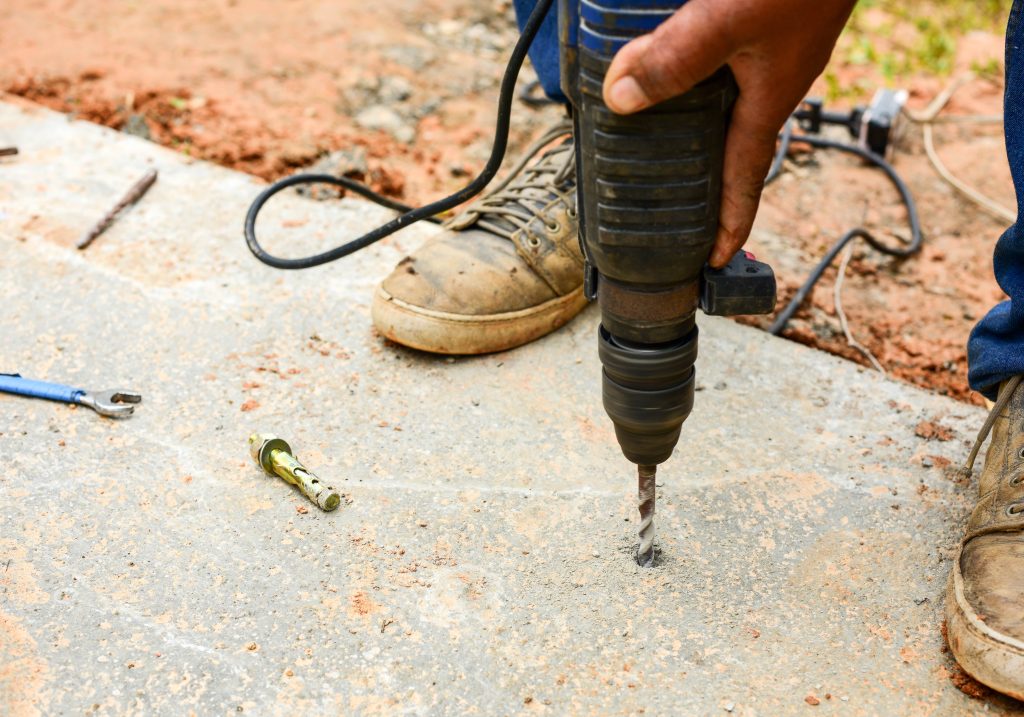
We inject a stabilizing material through small holes drilled into the concrete, filling the void and raising the slab back to its original grade. This process typically takes a few hours per section, and the surface is usually ready for use the same day.
Left unaddressed, uneven driveways and sidewalks create trip hazards and can lead to water pooling near foundations. Cracked or shifting slabs also reduce curb appeal and may lower property value over time.
GET A FREE QUOTEPatios and pool decks are frequently exposed to moisture, which accelerates soil erosion beneath the slab. This makes them more prone to settling compared to other outdoor surfaces.
Our lifting process addresses this by filling the voids created by soil loss, restoring a level surface without disturbing existing pavers, tile, or stone finishes. We work carefully around pool equipment and decking materials to avoid damage during the injection process.
An uneven pool deck can create standing water near the pool edge, which increases slip risks. Settled patios also strain outdoor furniture and structures like pergolas or fire pits that rely on a stable base.
GET A FREE QUOTEGarage floors and interior slabs settle due to poor soil compaction during construction or shifting ground conditions beneath the home. This often results in cracks, uneven transitions at doorways, or gaps where the slab meets interior walls.
We use a low-impact injection method that lifts the slab from below, minimizing dust and disruption inside the structure. Most interior lifting projects are completed within a single day.
Unaddressed settling in garage floors can worsen over time, leading to structural stress on walls and foundations. Interior slab movement may also cause flooring materials like tile or vinyl to crack or separate.
GET A FREE QUOTECommercial properties see heavy, repeated traffic that accelerates wear on walkways and parking surfaces. Settled sections in these high-traffic zones increase liability risks for property owners and managers.
Our team lifts and levels commercial slabs using the same injection method applied to residential surfaces, scaled to accommodate larger areas. We schedule work to minimize disruption to business operations and customer access.
| Area Type | Common Cause of Settling | Primary Risk if Unaddressed |
|---|---|---|
| Driveways/Sidewalks | Soil erosion, freeze-thaw cycles | Trip hazards, water pooling |
| Patios/Pool Decks | Moisture exposure | Slip risks, structural strain |
| Garage/Interior Slabs | Poor soil compaction | Wall stress, flooring damage |
| Commercial Walkways | Heavy traffic loads | Liability exposure, safety violations |
Ignoring settled commercial concrete can result in code violations or insurance issues if a customer or employee is injured.
GET A FREE QUOTEConcrete lifting solves several problems at once: it restores usability quickly, costs less than replacement, and reduces hazards on your property. Here’s what property owners in Smyrna gain from choosing this method.
We use polyurethane foam that reaches most of its full strength within 15 minutes of application. This means we can lift your concrete and hand the space back to you the same day.
There’s no waiting weeks for concrete to cure like you would with a full slab replacement. Driveways, sidewalks, and patios can be walked on or driven over almost immediately after we finish.
For businesses, this matters even more. We minimize downtime so your parking lot, loading dock, or walkway stays open for customers and employees with little interruption to daily operations.
Replacing a concrete slab means demolition, disposal, and new material costs. Concrete lifting skips all of that by working with the slab you already have.
We inject foam beneath the existing concrete to fill voids and raise it back to level. This process uses less material and labor than a full tear-out, which keeps your costs down.
Typical savings compared to replacement include:
Uneven concrete creates trip hazards for anyone walking across your property. We correct these height differences so walkways, steps, and patios sit level again.
Sunken slabs near your home or building can also direct water toward your foundation instead of away from it. When we lift and re-level concrete, we help restore proper drainage patterns.
This reduces the risk of water pooling against your foundation or seeping into crawl spaces. For business owners, level surfaces also lower liability exposure from customer or employee falls on your property.
Settling concrete does not stay a minor cosmetic issue. Left alone, it creates safety risks, invites water damage, and accelerates structural deterioration.
Uneven slabs create height differences that catch feet and cause falls. We often see this on sidewalks, driveways, and patios where a slab has dropped even half an inch below its neighbor.
For commercial properties, this becomes a liability concern. A customer or employee who trips on an uneven walkway can file a claim against the business.
ADA compliance is another factor for commercial buildings. Settled entryways, ramps, or parking areas can violate accessibility standards, and we frequently identify these issues during our assessments.
Homeowners face similar risks near:
These areas see frequent foot traffic, so even small elevation changes matter.
When concrete settles, it often tilts toward the house instead of away from it. This reverses the drainage slope that was originally built into the slab.
Rainwater and irrigation runoff then pool near the foundation instead of flowing off the property. Over time, this moisture works its way into basements, crawl spaces, and foundation walls.
We commonly find this problem with settled patios, driveways, and walkways that sit close to a structure. The water intrusion can lead to:
Addressing the slope early prevents these secondary issues from developing into costlier repairs.
Settling puts uneven stress on concrete that it was not designed to handle. This stress typically shows up as cracking, and the cracks tend to widen as settlement continues.
Small hairline cracks can turn into larger fractures within a year or two if the underlying support issue is not corrected. Water gets into these cracks, freezes during colder months, and expands them further.
We also see surface spalling and chipping develop faster on settled slabs, since the concrete is no longer bearing weight evenly. This shortens the lifespan of driveways, walkways, and foundation slabs, often requiring full replacement instead of a simple repair.
We combine local knowledge with technical training to deliver accurate assessments and lasting results. Our approach works for single-family homes, multi-unit properties, and commercial buildings alike.
We understand the soil composition and drainage patterns common throughout Smyrna and Cobb County. Clay-heavy soil in this region tends to shift with moisture changes, which contributes to sunken slabs and uneven surfaces. Our team has worked on driveways, sidewalks, and foundations across the local area. We know which properties are more prone to settling based on age, construction type, and lot grading. This regional experience helps us identify the root cause of concrete movement rather than just treating the surface issue. We factor in local weather patterns, including seasonal rainfall, when planning our lifting method.
Before any work begins, we inspect the affected concrete and surrounding soil conditions. We check for: Depth and size of voids beneath the slab Cracking patterns and their likely cause Drainage issues contributing to soil erosion Structural risk to nearby foundations or utilities We explain our findings in plain language. We avoid technical jargon and instead walk through what we found, what it means, and what options are available. Our recommendations are based on the specific condition of your concrete, not a one-size-fits-all package. We give you a clear scope of work and answer questions before you decide how to proceed.
We work on residential and commercial properties throughout Smyrna. For homeowners, this includes driveways, walkways, pool decks, and patios. For business owners, we address parking lots, loading docks, sidewalks, and building entrances. Commercial properties often face additional concerns, including liability from trip hazards and the need to minimize disruption to daily operations. We schedule commercial work to reduce downtime and coordinate around business hours when possible. Whether the project is a small residential walkway or a large commercial parking area, we apply the same attention to assessment, material selection, and application.

We follow a structured process for every project, from initial inspection to final cleanup. Each step is designed to identify the cause of settlement and correct it with minimal disruption to your property.
We start by examining the affected concrete slab and surrounding soil conditions. Our team checks for void size, slab thickness, and drainage issues that may have contributed to the sinking or unevenness.
We also measure the degree of settlement using a level or laser tool. This gives us precise data on how much lift is needed.
During this stage, we discuss our findings with you directly. We explain what caused the problem and outline the recommended approach before any work begins.
We drill small holes, typically the size of a dime, into the affected slab at strategic points. Through these holes, we inject polyurethane foam beneath the concrete.
The foam expands within minutes, filling voids and lifting the slab back to its original position. We monitor the process closely with our equipment to control the lift in small, measured increments.
This method allows us to:
Once the slab reaches the correct level, the foam cures quickly and hardens to support the weight above it.
After lifting, we recheck the surface with our leveling tools to confirm the slab meets the target height. We also inspect the injection points to ensure they are properly sealed.
We patch the small drill holes with a matching concrete mix. This keeps the surface looking clean and consistent with the surrounding area.
Before we leave, we clear away any equipment, debris, or excess material from the worksite. The area is typically ready for use within an hour, since the foam cures fast and does not require extended downtime.
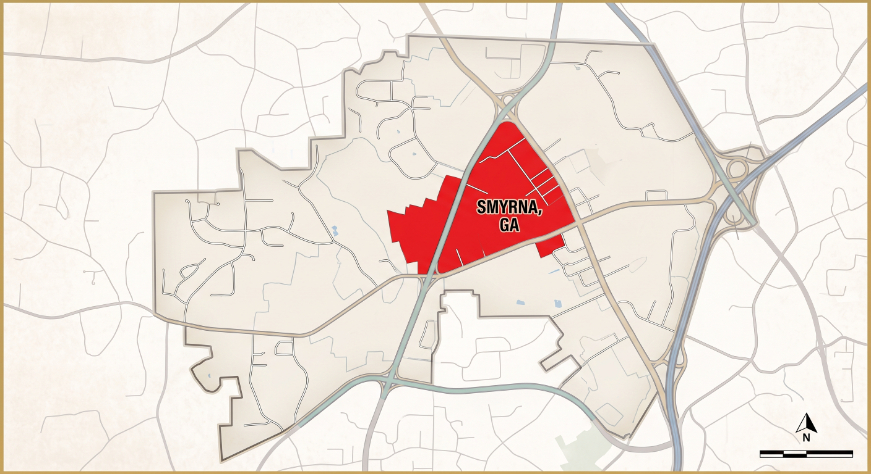
We provide concrete lifting services throughout Smyrna and the surrounding metro Atlanta region, working with both homeowners and business owners. Our crews understand the clay soil and moisture conditions common to this area, which directly affect how we diagnose and repair settling concrete.
Don’t let settled or uneven concrete create trip hazards, drainage problems, or damage around your property. Our concrete lifting services restore sunken driveways, sidewalks, patios, garage floors, and other concrete surfaces with minimal disruption.
Homeowners and business owners considering concrete lifting often have questions about timelines, costs, causes of settling, and durability. Below, we answer the questions we hear most often from clients in Smyrna and the surrounding areas.
Most residential slab leveling projects take between two to four hours to complete. Larger commercial jobs or slabs with significant settlement may take a full day.
We can walk the site with you and give a time estimate specific to your project before we begin.
Yes, concrete lifting typically costs a fraction of full slab replacement. We use polyurethane foam injection, which requires less labor and material than tearing out and pouring new concrete.
This approach also eliminates demolition and disposal fees that come with replacement.
In most cases, yes. We inject foam beneath the slab through small holes, usually less than a dime in size.
This method raises the driveway back to its original position without breaking up the existing concrete.
Concrete slabs sink for several reasons, including soil erosion, poor compaction during initial installation, and moisture changes in the ground.
Tree roots, drainage issues, and heavy loads on top of the slab can also contribute to settling over time.
Concrete lifted with polyurethane foam can last as long as the original slab, provided the underlying soil issues are addressed. The foam itself does not break down or lose density under normal conditions.
Spray foam is safe once fully cured, which typically takes 24 to 48 hours depending on the product and environmental conditions. During installation and curing, proper ventilation is required, and occupants should stay out of the treated area.
Our installers follow manufacturer guidelines and safety protocols on every job. We’ll walk you through the timeline so you know exactly when it’s safe to return to the space.
Yes, we lift and level uneven sidewalks using the same foam injection process we use for driveways and patios. This reduces trip hazards without disrupting surrounding landscaping or hardscaping.
We complete most sidewalk sections in under an hour.