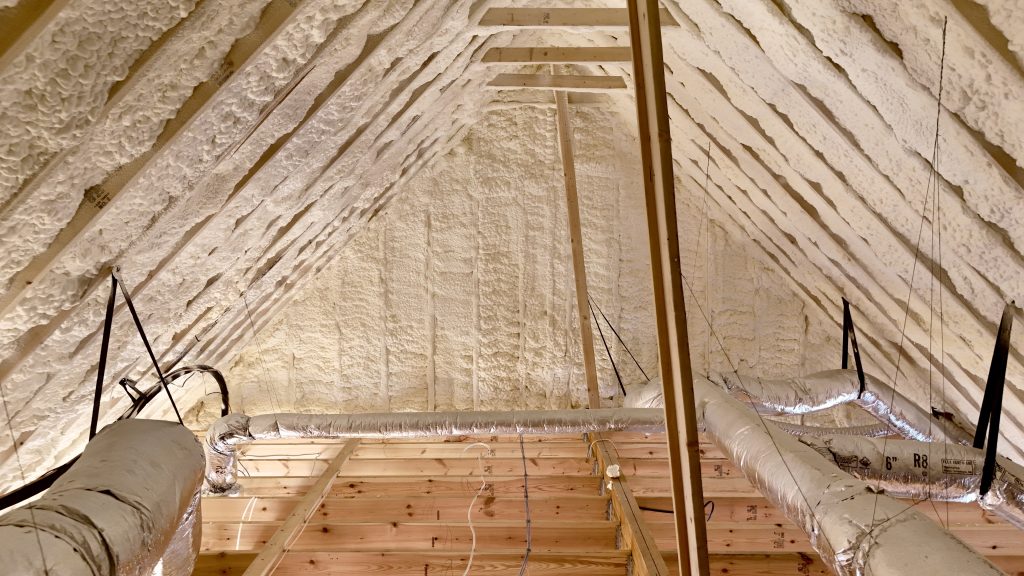
Attics in Smyrna, GA go through real temperature swings across the year, and that puts pressure on your home or business every single day. Without proper attic insulation, conditioned air escapes through the roofline, forcing your HVAC system to work harder and driving up your energy costs. We see this problem constantly in local homes and commercial buildings, and it’s one we’re equipped to solve.
Georgia Insulation provides attic insulation services throughout Smyrna and the surrounding metro Atlanta area. Our work addresses comfort, energy efficiency, and long-term protection for your property.
We understand what local buildings need because we work in this climate every day. Our approach focuses on practical solutions that fit your specific attic space, whether it’s a residential home or a commercial building.
We install spray foam insulation across residential and commercial properties throughout Smyrna and the surrounding area. Our approach adapts to the structure, the space, and the specific insulation goals of each property.
We apply spray foam insulation in the areas of your home where air leaks and temperature loss happen most often.
Attics are a primary focus, since heat rises and escapes through poorly insulated roof lines. We seal gaps around rafters, vents, and joists to reduce this loss.
Walls benefit from spray foam's ability to fill cavities completely, unlike batt insulation, which can leave small gaps. This creates a more consistent barrier against outdoor temperatures.
Crawl spaces often let in moisture and cold air from below the home. We insulate these areas to reduce humidity issues and protect flooring above.
Garages attached to living spaces can pull heat or cool air away from the rest of the home. We insulate garage walls and ceilings to limit this effect and improve comfort in adjacent rooms.
GET A FREE QUOTECommercial buildings have different insulation needs than homes, often involving larger spaces, varied ceiling heights, and specific HVAC demands.
We insulate warehouses, retail spaces, offices, and other commercial structures using spray foam formulated for larger-scale applications. This includes:
Our team assesses the layout and use of each commercial space before recommending an insulation plan. We factor in building size, existing insulation, and energy goals to determine the right coverage and material thickness for the property.
GET A FREE QUOTEProper attic insulation directly affects two things homeowners and business owners care about most: monthly utility costs and daily comfort inside the building. Both depend on how well the insulation controls heat transfer and manages airflow throughout the space.
Attic insulation reduces the workload on your HVAC system in every season.
During winter, it slows heat loss through the ceiling. In summer, it blocks heat gain from the sun-exposed roof.
We typically see energy bill reductions in the following ranges after proper attic insulation upgrades:
Without adequate insulation, your HVAC system works harder to maintain a set temperature. This extra strain shortens equipment lifespan and increases wear on components.
We size and install insulation based on your attic's specific R-value requirements, not a generic standard. This approach avoids both under-insulating and unnecessary over-spending on materials you don't need.
GET A FREE QUOTEInsulation does more than manage temperature. It also affects how air moves through your home or building.
Gaps in attic insulation allow drafts, temperature swings between rooms, and inconsistent comfort levels on different floors. We often find that upper floors run hotter in summer and colder in winter when attic insulation is insufficient.
Proper insulation combined with air sealing also limits the entry of outdoor pollutants, allergens, and moisture into living spaces. This matters for indoor air quality, particularly in homes with respiratory sensitivities.
We install insulation with attention to:
These details reduce hot and cold spots while supporting healthier indoor air.
GET A FREE QUOTEGaps in attic insulation don’t just sit there quietly. They actively work against your HVAC system, your comfort, and your wallet every day the problem goes unaddressed.
Without adequate insulation, your attic becomes a direct path for conditioned air to escape. In summer, heat pushes down into living spaces. In winter, warm air rises and slips out through the same gaps.
Your HVAC system compensates by running longer and more often. That extra runtime shows up on your utility bill month after month.
We typically see homes with insufficient attic insulation losing 25% to 40% of their heating and cooling energy through the roof. For a typical household, that can mean:
Poor attic coverage lets warm, moist indoor air migrate upward, where it meets cooler surfaces and condenses. Over time, this creates conditions for mold growth and wood rot in the attic structure.
We also find that inadequate insulation contributes to noticeable drafts near ceilings and upper-floor rooms. Some rooms feel too warm while others stay cold, regardless of thermostat settings.
For commercial buildings, uneven temperatures across floors or zones can affect employee comfort and equipment performance. Left unaddressed, moisture problems often require costlier repairs than the insulation upgrade itself would have.
Ignored air leaks rarely stay small. They tend to compound over time, affecting your monthly bills, your comfort, and the condition of your building materials.
Air leaks force your HVAC system to work harder than it should. Conditioned air escapes through gaps around framing, windows, and rooflines, so your system runs longer cycles to maintain the temperature you set.
We often see homeowners and business owners paying for air they never actually get to use.
Over a year, this adds up. A few key factors drive the cost increase:
We find that sealing these leaks properly is one of the most direct ways to bring utility bills back under control.
Air leaks force your HVAC system to work harder than it should. Conditioned air escapes through gaps around framing, windows, and rooflines, so your system runs longer cycles to maintain the temperature you set.
We often see homeowners and business owners paying for air they never actually get to use.
Over a year, this adds up. A few key factors drive the cost increase:
We find that sealing these leaks properly is one of the most direct ways to bring utility bills back under control.
When warm, humid air meets a cooler surface inside your walls or attic, condensation forms. Left unresolved, this moisture buildup can lead to mold growth, wood rot, and weakened structural components.
We treat this as a serious concern because moisture damage often develops out of sight before it becomes visible.
Common signs we look for include:
Sign | What It May Indicate |
Musty odors | Hidden mold growth |
Peeling paint or wallpaper | Trapped moisture behind walls |
Soft or sagging drywall | Water damage in progress |
Visible mold spots | Long-term air and moisture infiltration |
Addressing air leaks early helps us protect the structural integrity of your property and maintain healthier indoor air.
We combine technical knowledge with local experience to give homeowners and business owners insulation solutions that actually fit their property. Our approach centers on accurate assessment, quality materials, and service coverage across the Smyrna area.
We understand the construction patterns common to Smyrna homes and buildings. Many properties in this area were built with crawl spaces or attic configurations that require specific insulation approaches. We also account for Georgia's climate when recommending solutions. Summers bring high humidity and heat, while winters can still produce cold snaps that stress an under-insulated home. Our familiarity with local building codes helps us complete work correctly the first time. We know what inspectors look for and what standards apply to residential and commercial projects in Cobb County.
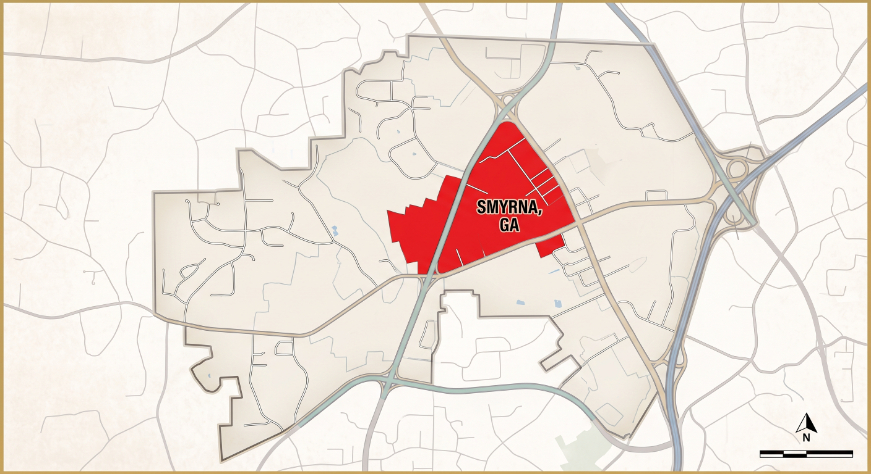
We are based in Smyrna, GA, and we serve homeowners and business owners throughout the surrounding communities. Our familiarity with local building styles and climate conditions informs how we approach each project. We work on a range of property types, including: Property Type Common Insulation Need Single-family homes Attic and crawl space insulation Older homes Insulation upgrades and air sealing Commercial buildings Full building insulation systems New construction Initial insulation installation Our teams arrive prepared with the equipment and materials needed to complete most projects efficiently. We schedule work around your availability and communicate clearly about timelines and expectations before we begin.
Our teams arrive prepared with the equipment and materials needed to complete most projects efficiently. We schedule work around your availability and communicate clearly about timelines and expectations before we begin.
Our process begins with a thorough inspection and ends with a completed installation that meets your home’s specific needs. Each step is designed to give you clarity on the work being done and why it matters.
We start every project with an on-site evaluation of your attic space. Our team checks current insulation levels, identifies air leaks, and looks for signs of moisture or ventilation issues.
We measure the R-value of your existing insulation and compare it to the recommended standard for our climate zone. This tells us exactly where gaps exist and what type of insulation will perform best.
Based on these findings, we put together a written plan that outlines:
You’ll review this plan with us before any work begins.
Once you approve the plan, our crew arrives with the equipment and materials needed for the job. We seal air leaks first, then apply insulation according to the specifications outlined in your plan.
Spray foam is applied in controlled layers to reach the correct thickness. Blown-in and batt materials are installed to match manufacturer guidelines for even coverage.
After installation, we conduct a final walkthrough with you. We check for consistent coverage, confirm that ventilation remains unobstructed, and answer any questions about the work performed. You’ll receive documentation of the materials used and the R-value achieved.
After installation, we conduct a final walkthrough with you. We check for consistent coverage, confirm that ventilation remains unobstructed, and answer any questions about the work performed.
You’ll receive documentation of the materials used and the R-value achieved. This gives you a clear record of the insulation work completed and the performance level of your attic.
We install spray foam insulation for homeowners and business owners throughout Smyrna, Cobb County, and the surrounding metro Atlanta area. Our team understands local building requirements and Georgia’s unique climate conditions.
Ready to get started? Call us or fill out our online form to schedule your appointment. We’ll confirm a time that works with your schedule and send a technician who respects your property and your time.
Attic insulation involves specific decisions about material type, R-value, and installation timelines that depend on your property’s construction and needs. Below, we answer the questions we hear most often from homeowners and business owners in Smyrna and the surrounding area.
We typically recommend an R-value between R-30 and R-60 for attics in our region, based on Georgia’s climate zone. The exact number depends on your home’s age, current insulation levels, and roof structure.
We assess your attic during our initial inspection and provide a specific R-value recommendation for your property.
We install spray foam, fiberglass batting, and blown-in cellulose, and the right choice depends on your attic’s layout and your goals. Spray foam creates an air seal and works well in irregular spaces or areas prone to moisture.
Fiberglass and cellulose offer solid thermal performance at a lower cost. We walk you through the differences before recommending a material.
Yes, we install spray foam in existing attics without requiring major structural changes. We remove old or damaged insulation first if needed, then apply spray foam directly to the roof deck or attic floor.
This process works for both older homes and newer construction.
Most residential attic insulation projects take one day to complete. Larger homes or commercial buildings with more square footage may require two days.
We provide a time estimate specific to your property before we begin work.
Proper attic insulation reduces the amount of conditioned air that escapes through your roof, which lowers the workload on your HVAC system. Many of our clients see a noticeable reduction in their monthly energy costs after installation.
The exact savings depend on your current insulation levels, home size, and energy usage patterns.
Yes, we install and upgrade insulation in commercial buildings, including offices, warehouses, and retail spaces. We evaluate the building’s HVAC load and structure to recommend the right insulation type and thickness.
We work with property managers and business owners to schedule installation around business hours.