Pole Barn Insulation Smyrna, GA

Rated 5.0 on Google Reviews
Rated 5 out of 5

Expert Spray Foam Solutions for Homes and Businesses

Spray foam insulation solutions

Pole barns in Smyrna face constant exposure to Georgia’s heat, humidity, and shifting temperatures throughout the year. Without proper insulation, these structures trap moisture, allow energy to escape, and create uncomfortable conditions for anyone using the space. We provide pole barn insulation services that address temperature control, condensation buildup, and energy loss specific to Georgia’s climate.

Whether you use your pole barn as a workshop, storage facility, or extension of your business operations, the right insulation system protects both the structure and its contents. We work with homeowners and business owners throughout Smyrna and the surrounding areas to install insulation that fits the specific use and layout of each building.

Our approach focuses on practical solutions rather than one-size-fits-all installations. We assess your pole barn’s construction, intended use, and existing issues before recommending materials suited to your situation.

Spray Foam Solutions for Barn Walls, Roofs, and Ceilings

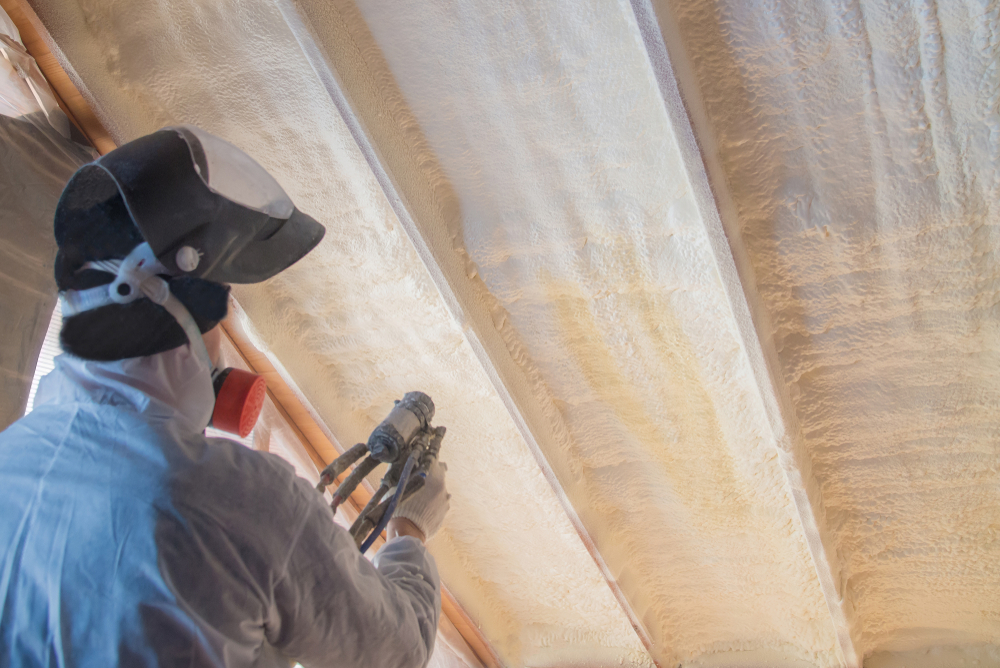
We apply spray foam differently depending on the surface we’re working with and how the space will be used. Metal walls and roofs require a different approach than interior partitions or storage areas.

```html
🔒

Closed-Cell Foam for Metal Structures

Metal pole barns present a specific challenge: steel conducts heat and cold quickly, and warm interior air condenses on cold metal surfaces. We use closed-cell spray foam on these structures because it resists moisture and blocks vapor from reaching the metal.

This foam also adds rigidity to the walls and roof panels. Closed-cell foam has a higher R-value per inch than open-cell foam, so we can achieve strong thermal performance without excessive material.

We recommend closed-cell foam for:
  • Metal roof decking
  • Steel wall panels
  • Areas prone to condensation
  • Buildings storing moisture-sensitive equipment or materials

Closed-cell foam creates a rigid barrier that holds up over time, even in buildings that see temperature swings throughout the year.

GET A FREE QUOTE
🏠

Open-Cell Foam for Interior Applications

Once we move past the exterior metal shell, we often switch to open-cell foam for interior walls and ceilings. This foam is softer and more flexible, which makes it a practical choice for spaces where moisture control is less of a concern.

Open-cell foam expands to fill gaps and irregular spaces, sealing air leaks around framing and fixtures. It costs less per square foot than closed-cell foam, which helps when insulating large interior areas.

We typically use open-cell foam for:
  • Interior partition walls
  • Ceilings in finished or semi-finished spaces
  • Areas where sound dampening is a priority

This foam performs well in climate-controlled interiors where the primary goal is comfort and energy efficiency rather than moisture resistance.

GET A FREE QUOTE
🏗️

Insulating New Builds and Existing Buildings

We insulate pole barns during construction and after they're already standing. New builds give us full access to open framing, which makes installation straightforward and allows us to insulate every cavity evenly.

Existing buildings require a different process. We assess wall and ceiling cavities to confirm they're accessible before spraying, since closed or finished spaces limit where foam can reach.

In both cases, we match the foam type to the building's structure and use. A metal-sided barn built five years ago gets the same attention to detail as one still under construction, with insulation choices based on the specific walls and roof we're working with.

GET A FREE QUOTE
```

Comfort, Efficiency, and Moisture Control Advantages

Proper insulation changes how a pole barn functions day to day. It stabilizes temperature, lowers energy costs, and controls the moisture that leads to structural damage.

More Stable Indoor Temperatures

An uninsulated pole barn tracks the outdoor temperature closely. On a 95-degree Georgia afternoon, interior temperatures can climb even higher under a metal roof.

Insulation slows this heat transfer. We install materials that create a thermal barrier between the outside air and the interior space, keeping temperatures more consistent throughout the day.

This matters for several uses:

  • Workshops – comfortable conditions for extended work sessions
  • Livestock areas – reduced heat stress in summer, less cold exposure in winter
  • Storage spaces – protection for items sensitive to temperature swings
  • Living or office spaces – usable square footage year-round

We size the insulation approach to how the space is used, since a barn used daily has different requirements than one used for occasional storage.

Reduced Energy Loss

If a pole barn is heated or cooled, an uninsulated structure forces the HVAC system to work harder. Heat escapes through walls and ceilings in winter, and cooled air is lost the same way in summer.

We address this by insulating the specific areas where energy loss occurs, typically walls, ceilings, and sometimes the underside of the roof deck. This reduces the workload on heating and cooling equipment.

The result is lower monthly utility costs for any conditioned pole barn. Equipment also experiences less strain, which can extend its operating life. For barns without HVAC, insulation still reduces the rate of heat gain or loss, keeping the space more usable without mechanical systems.

Condensation and Humidity Protection

Georgia’s humidity creates a specific problem for metal buildings. When warm, moist air contacts a cold metal surface, condensation forms. This happens on ceilings, walls, and any exposed metal framing.

Left unaddressed, this moisture leads to:

Problem

Result

Wood rot

Structural framing weakens over time

Rust

Metal panels and fasteners corrode

Mold growth

Air quality declines, health risks increase

Damaged contents

Stored equipment, feed, or goods suffer damage

We use insulation with vapor barrier properties to manage this moisture cycle. This limits condensation on interior surfaces and reduces the humidity level inside the structure. Combined with proper ventilation, this approach keeps moisture from accumulating in places where it causes long-term damage.

Problems Caused by Uninsulated Buildings

An uninsulated pole barn allows outside temperatures and moisture to move freely through the structure. This leads to three main issues: metal corrosion, energy loss, and material breakdown.

Condensation-Related Corrosion

When warm, moist air inside a pole barn contacts a cold metal roof or wall panel, water droplets form on the surface. This is condensation, and it happens most often during temperature swings between day and night or across seasons.

Left unchecked, condensation drips onto framing, equipment, and stored goods below. Over time, the moisture causes:

  • Rust on metal roofing and wall panels
  • Corrosion of metal fasteners and connectors
  • Deterioration of structural steel components
  • Water stains on stored items and equipment

We often see this problem in barns with metal roofs and no vapor barrier. Once rust starts, it spreads and weakens the panel over time.

Without insulation, a pole barn has almost no resistance to outside temperatures. Heat escapes quickly in winter, and hot air builds up fast in summer.

This creates uncomfortable conditions for anyone working inside, and it puts stress on livestock or temperature-sensitive equipment. Interior temperatures can swing 20 to 30 degrees within hours based on outdoor conditions.

For buildings with any heating or cooling system, this means the equipment runs constantly to keep up. We find that uninsulated pole barns waste a significant portion of the energy used to condition the space, since heat moves directly through the metal panels and framing with nothing to slow it down.

Moisture that accumulates from condensation doesn’t just cause rust. It also creates the damp conditions mold and mildew need to grow.

Mold spreads on wood framing, insulation batts (if partially installed), and any porous material inside the structure. It can also affect stored hay, feed, or paper products, making them unsafe to use.

We commonly see this damage in barns storing:

Item Type

Risk from Moisture

Hay and feed

Mold growth, spoilage

Wood furniture or tools

Warping, rot

Paper or fabric goods

Staining, mildew odor

Electronics

Corrosion, malfunction

Beyond material loss, mold spores affect air quality inside the building, which is a concern for anyone spending extended time working there.

Why Choose Georgia Insulation

We combine local building knowledge with hands-on installation experience across pole barns, homes, and commercial properties throughout the Smyrna area. Our approach centers on getting the details right the first time.

Local Smyrna, GA Expertise

We understand how Georgia's climate affects pole barns specifically. Humidity, summer heat, and seasonal swings in temperature all create different insulation demands than a standard home build. Our crews work throughout Smyrna and the surrounding counties, so we've seen how local soil conditions, barn construction styles, and building codes come into play on these projects. We factor in: Regional humidity levels that contribute to condensation inside metal and pole barn structures Local temperature ranges throughout the year, from summer highs to winter cold snaps Common pole barn designs used in the Smyrna area, including open-bay and enclosed structures This local perspective lets us recommend insulation solutions suited to how your barn is actually built and used.
Solutions for Homes and Commercial Properties

We insulate more than pole barns. Our team handles insulation for homes, workshops, garages, and commercial buildings, which means we bring a broader base of technical knowledge to every pole barn project. We work with multiple insulation types depending on the structure and its use: Property Type Common Insulation Approach Residential pole barns Radiant barrier and vapor barrier combinations Commercial pole barns Spray foam or reflective insulation systems Mixed-use barns (storage + workspace) Layered insulation for zoned temperature control Whether your pole barn stores equipment, houses livestock, or serves as a workshop, we adjust our recommendations to match how the space functions day to day.

Quality-Focused Installation Standards

Our installation process follows a consistent set of standards on every job. We measure structures accurately, select materials suited to the building's design, and install with attention to seams, gaps, and vapor barrier placement. We hold our own work to standards that account for: Proper sealing around joints and fasteners to reduce air leaks Correct vapor barrier placement to limit moisture buildup Even material coverage across walls, ceilings, and roof lines Our licensed and trained team completes each project with these standards in mind, aiming for consistent results rather than a rushed installation.

Our Clear Installation Process

We follow a structured process for every pole barn insulation project, from the first inspection to the final walkthrough. Each step is designed to give us accurate measurements, clean application, and a finished job that meets the specifications we set from the start.

01 Site Evaluation and Recommendations

We start with an on-site inspection of the pole barn’s frame, roof, and wall structure. We measure the space, check for existing moisture issues, and note any areas prone to condensation under the metal roof.

Based on what we find, we recommend an insulation type suited to how the building is used.

  • Storage or workshop space: we often suggest fiberglass batts or blown-in insulation.
  • Barndominiums or heated commercial areas: we typically recommend spray foam for its air-sealing properties.
  • Roof condensation concerns: we may recommend a vapor barrier or radiant barrier layer.

We provide a written estimate that outlines material choice, coverage area, and target R-value before we schedule the work.

Before we apply any insulation, we clear the work area and inspect framing for gaps, damage, or debris that could affect adhesion or fit. We seal any air leaks around posts, seams, and roof penetrations first.

For spray foam applications, we control the room’s temperature and humidity to meet the product’s application requirements. We apply the foam in even layers, checking thickness as we go to reach the specified R-value.

For batt or blown-in insulation, we fit material snugly between framing members and avoid compression, which reduces performance. We install vapor barriers where needed, particularly on interior walls facing conditioned space.

Once installation is complete, we inspect the work for consistent coverage, proper thickness, and secure vapor barrier placement. We check seams and edges for gaps that could allow air infiltration.

We remove all packaging, offcuts, and equipment from the site before we finish. We walk the property with the owner to review the completed work and address any questions about the installed system.

We leave a copy of the material specifications and R-value documentation, which is useful for insurance or future renovation records.

Service Areas and Schedule Your Assessment

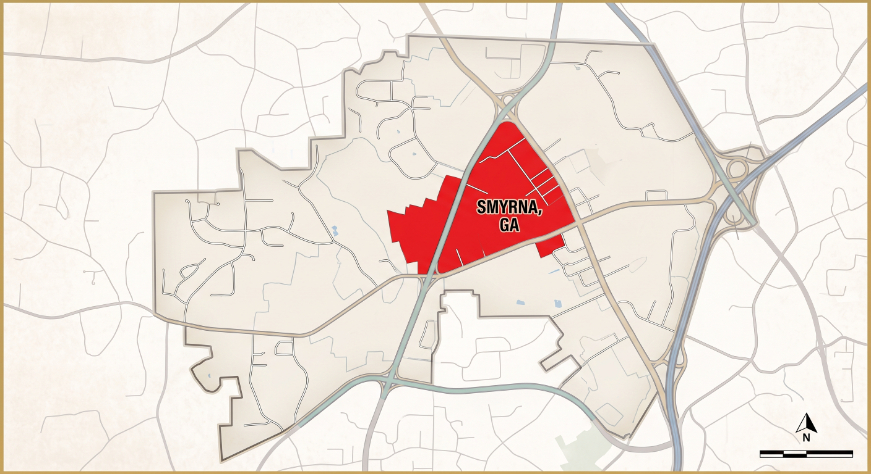
We install pole barn insulation throughout Smyrna and the surrounding communities. Getting a quote starts with a quick conversation about your barn’s size and use.

Testimonials

Posted on Google Google
Cara Tiesler profile picture
Cara Tiesler
Google star 1Google star 2Google star 3Google star 4Google star 5Trustindex verifies that the original source of the review is Google.
Georgia Insulation saved the day and our house! Breanna promptly answered my call, which was at the end of the work day, and listened to me freak out about being down to the wire and in need of insulation. She jumped right on the request and worked diligently with Jason to get me on the schedule asap. We cannot thank them enough for saving us! The installers were kind, professional and early… who is early these days?! We were very impressed by Breanna, Jason, and the rest of the team at Georgia Insulation. Don’t hesitate to work with this company, they actually care about their clients and don’t over promise (unlike the company that blew us off a day before they were scheduled to Install because they over promised and under delivered). So again, if you need a super reliable and professional insulation company, reach out to Breanna at Georgia Insulation, and she will get you taken care of! Thanks again for helping us!!
Posted on Google Google
Mary Jane profile picture
Mary Jane
Google star 1Google star 2Google star 3Google star 4Google star 5Trustindex verifies that the original source of the review is Google.
Fast friendly service
Posted on Google Google
jeff schmitt profile picture
jeff schmitt
Google star 1Google star 2Google star 3Google star 4Google star 5Trustindex verifies that the original source of the review is Google.
I can say enough great things about the people and my experience with Georgia Insulation. Terra came out and gave a thorough evaluation and quote for open cell foam insulation for our home. The quote was reasonable, and for the amount of work to be done, I thought it was a great deal. Edwin and his crew were awesome and entertaining. They removed all of the existing insulation in the attic and completely covered the underside of the roof with open cell foam. I’ve waited about 2 months to write this review, as I wanted to share energy savings. Last month bill was $106 less than the previous year, same month. The part about that blew me away, was last years June was a very mild June and this June has been quite hot. That being said, I feel very confident I will see a return on my investment. I highly recommend Georgia Insulation and Terra Schaefer and team.
Posted on Google Google
Allene Hoff profile picture
Allene Hoff
Google star 1Google star 2Google star 3Google star 4Google star 5Trustindex verifies that the original source of the review is Google.
The consultant was very good. He explained and answered all my questions concerning my problem. They were very prompt in coming out and the two young men, Edward and Ulises were very friendly and very professional. They took care not to get anything on my floors. They also cleaned up after the job was done. I would certainly recommend this company.
Posted on Google Google
Frank Armatti profile picture
Frank Armatti
Google star 1Google star 2Google star 3Google star 4Google star 5Trustindex verifies that the original source of the review is Google.
Ga insulation came to my home and insulated with close cell foam underneath my floor. Techs needed a second access to get to 2 bedrooms which I was not able to provide while they were here . The room temperatures were at 73 where they had sprayed and where they didn’t was at 59! I am excited that they are returning to finish now that I have the access they needed . The workers were excellent and very professional.This made such a difference in my heating now that the heat shuts off when needed to! Georgia Insulation is a top notch company providing a great service for a very fair price! My best decision ever!
Posted on Google Google
Will Brown profile picture
Will Brown
Google star 1Google star 2Google star 3Google star 4Google star 5Trustindex verifies that the original source of the review is Google.
Posted on Google Google
Chris Jones profile picture
Chris Jones
Google star 1Google star 2Google star 3Google star 4Google star 5Trustindex verifies that the original source of the review is Google.
Great service, fast, and good communication.
Posted on Google Google
Luke Thomas profile picture
Luke Thomas
Google star 1Google star 2Google star 3Google star 4Google star 5Trustindex verifies that the original source of the review is Google.
Great job. On time. Left place nice & clean. This is second job. I will definitely use them on the next one. Thanks All
Posted on Google Google
JC Ammons profile picture
JC Ammons
Google star 1Google star 2Google star 3Google star 4Google star 5Trustindex verifies that the original source of the review is Google.
Did an excellent job insulating our new construction. Good communication and clean work.
Posted on Google Google
James Morris profile picture
James Morris
Google star 1Google star 2Google star 3Google star 4Google star 5Trustindex verifies that the original source of the review is Google.
Georgia Insulation do excellent work and are a great bunch of people to work with. I highly recommend them and will use them again.

Request a Pole Barn Insulation Quote

Reaching us is straightforward. Call, email, or fill out our online form with your property address and a brief description of your pole barn.

Frequently Asked Questions

Pole barn insulation involves specific material choices, safety considerations, and cost factors that differ from standard home insulation. Below, we answer the questions we hear most often from Smyrna and metro Atlanta property owners.

What insulation is best for a pole barn?

Spray foam is our top recommendation for pole barns because it seals gaps between metal panels and framing while adding structural rigidity.

Closed-cell spray foam works especially well since it resists moisture and adds strength to the building envelope. Fiberglass batts and reflective radiant barriers are also viable options depending on your budget and how you use the space.

Yes, spray foam is safe for metal buildings when installed correctly by trained professionals.

We use products rated for direct application to metal panels, and we follow manufacturer guidelines for thickness and curing time. Proper ventilation during installation keeps the process safe for everyone involved.

Costs vary based on square footage, insulation type, and whether we’re insulating walls, ceilings, or both.

Spray foam typically costs more upfront than fiberglass batts but requires fewer touch-ups over time. We provide a detailed quote after assessing your building’s size and specific needs.

For Georgia’s climate, we generally recommend an R-value between 13 and 21 for walls and 30 to 38 for ceilings, depending on how the space is used.

Buildings used for livestock or storage may need less insulation than heated workshops or offices. We calculate the right R-value based on your building’s function and orientation.

Yes, spray foam adheres to both wall and ceiling surfaces in pole barn construction, including metal panels and wood framing.

We apply it directly to the interior surface, filling gaps around purlins, girts, and fasteners. This creates a continuous barrier without the seams found in batt insulation.

Uninsulated pole barns experience significant temperature swings, condensation buildup, and higher energy costs when heated or cooled.

Condensation can lead to rust on metal components and mold growth on wood framing over time. Stored equipment, inventory, or livestock may also be affected by extreme indoor temperatures.