

Spray Foam Insulation in Smyrna, GA
Trusted Comfort and Energy Solutions by Georgia Insulation
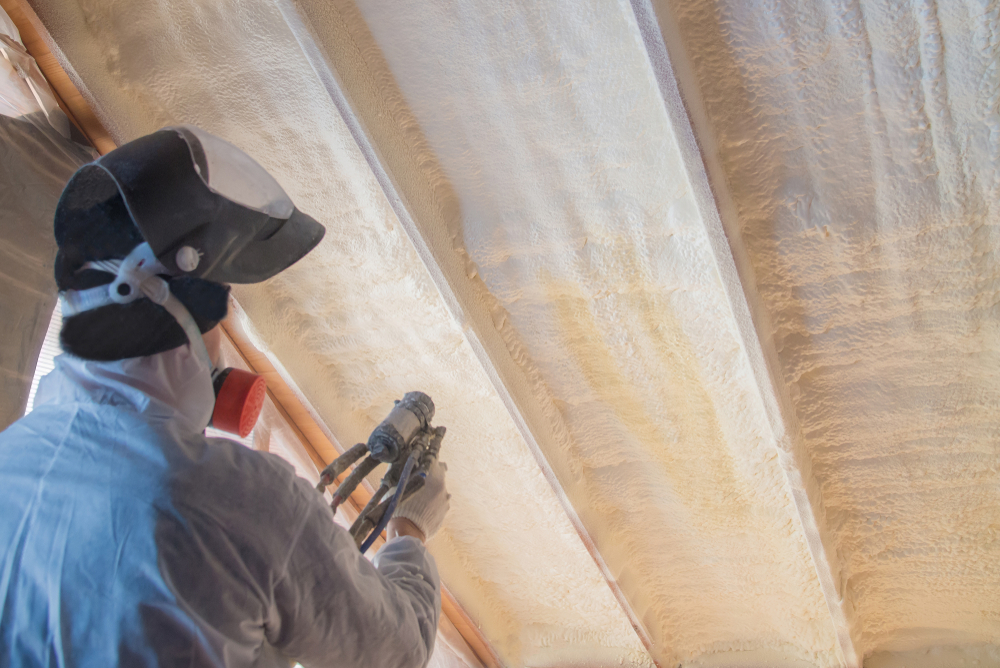
Georgia summers push attic temperatures well above 130 degrees, and that heat doesn’t stay put. Spray foam insulation creates a sealed barrier that stops heat transfer, blocks air leaks, and keeps conditioned air where it belongs.
Homeowners and business owners in Smyrna deal with high energy bills, uneven room temperatures, and moisture problems caused by gaps in traditional insulation. Spray foam expands to fill cracks and hard-to-reach spaces that fiberglass batts and blown-in insulation often miss.
We install spray foam insulation for attics, crawl spaces, walls, and commercial buildings throughout Smyrna and the surrounding area. Our approach addresses the specific climate challenges Georgia properties face, from humidity control to year-round temperature swings.
Where High-Performance Insulation Makes the Biggest Difference
Different areas of your home or building face different challenges, from temperature swings to moisture exposure. We apply spray foam based on the specific demands of each space to get the most out of your investment.
Attics And Rooflines
Attics lose more heat and cold air than almost any other part of a building. We seal rafters, joists, and roof decking with spray foam to stop that transfer at the source.
This approach also cuts down on attic condensation, which can lead to mold and wood rot over time. Closed-cell foam works well here because it adds structural rigidity to the roofline.
We often see homeowners notice a difference in upstairs comfort within the first few weeks after installation. Rooflines with spray foam also handle wind-driven rain better than open cavities filled with older insulation types.
GET A FREE QUOTEExterior Walls And Crawl Spaces
Exterior walls take on heat in summer and lose warmth in winter, making them a priority for air sealing. We fill wall cavities with foam that expands to reach corners and gaps that fiberglass batts typically miss.
Crawl spaces present a different problem: ground moisture and outside air infiltration. Spray foam creates a barrier against both, which helps protect wooden floor joists and subflooring from long-term damage.
- Musty odors from trapped moisture
- Cold floors above unconditioned crawl spaces
- Pest entry points through unsealed gaps
- Humidity that damages stored items
Garages And Bonus Rooms
Garages attached to living spaces often let outside temperatures and fumes seep indoors. We spray foam the shared wall and ceiling to reduce that transfer and improve air quality in adjacent rooms.
Bonus rooms above garages tend to run hotter or colder than the rest of the house due to limited insulation on all sides. Spray foam addresses this by sealing the floor, walls, and ceiling of the space as a single system.
This matters most for rooms used as offices, gyms, or guest suites, where consistent temperature affects daily use. We size the foam application to match the room's exposure to outside walls and rooflines.
GET A FREE QUOTECommercial Buildings And Workspaces
Commercial spaces often have higher ceilings, larger wall areas, and more HVAC demand than residential properties. We use spray foam to reduce the load on heating and cooling systems across offices, warehouses, and retail spaces.
Metal buildings benefit in particular, since spray foam controls condensation on interior metal surfaces that batt insulation cannot address. This helps prevent rust and moisture damage to equipment and inventory stored inside.
| Building Type | Primary Benefit |
|---|---|
| Warehouses | Reduced HVAC strain, moisture control |
| Offices | Consistent room-to-room temperature |
| Retail spaces | Lower utility costs, quieter interiors |
| Metal buildings | Condensation and rust prevention |
We work with property managers and business owners to schedule installation around operating hours whenever possible.
GET A FREE QUOTEThe Advantages Of A More Complete Building Envelope
A sealed building envelope keeps conditioned air where it belongs and blocks outside air where it doesn’t. This affects temperature stability, energy use, and moisture control throughout the structure.
More Consistent Indoor Temperatures
Gaps in traditional insulation create uneven heating and cooling, leaving some rooms warmer or cooler than others. We apply spray foam to fill these gaps completely, which helps maintain a steady temperature from room to room.
This matters most in spaces with vaulted ceilings, additions, or older construction where insulation coverage tends to be inconsistent. Spray foam expands to fill irregular cavities that batt insulation often misses.
The result is fewer temperature swings between floors and less reliance on space heaters or fans to compensate for problem areas. We find this especially useful for commercial spaces with large open areas, where uneven temperatures can affect employee comfort and customer experience.
Lower Heating And Cooling Demand
When air leaks out through gaps and cracks, HVAC systems work harder to maintain a set temperature. We use spray foam to close these gaps, which reduces the amount of conditioned air lost through the building envelope.
This lowers the workload on heating and cooling equipment. Over time, this can extend the lifespan of HVAC systems since they run less frequently to compensate for lost air.
Homeowners and business owners typically see this reflected in lower monthly utility bills. The exact savings depend on the age of the building, its current insulation, and local climate conditions, but reduced HVAC cycling is a consistent outcome we observe after installation.
Improved Moisture And Air Control
Air leaks don’t just affect temperature — they also allow moisture and outdoor pollutants to enter the building. We install spray foam to create a barrier that limits both air infiltration and moisture penetration through walls, attics, and crawl spaces.
This reduces conditions that lead to mold growth, wood rot, and mildew. Closed-cell spray foam, in particular, offers a higher resistance to water vapor compared to open-cell foam or traditional fiberglass batts.
Better air control also means fewer outdoor allergens, dust, and pollutants entering the living or working space. For commercial buildings, this can support better indoor air quality standards required for certain industries or tenant agreements.
What Can Happen When Air Leaks Go Unaddressed
Ignored air leaks rarely stay small. They tend to compound over time, affecting your monthly bills, your comfort, and the condition of your building materials.
Rising Utility Costs
Air leaks force your HVAC system to work harder than it should. Conditioned air escapes through gaps around framing, windows, and rooflines, so your system runs longer cycles to maintain the temperature you set.
We often see homeowners and business owners paying for air they never actually get to use.
Over a year, this adds up. A few key factors drive the cost increase:
- Constant temperature loss through walls, attics, and crawl spaces
- Extended equipment runtime, which shortens the life of your HVAC system
- Higher seasonal spikes, especially during Georgia’s hot summers and cooler winter nights
We find that sealing these leaks properly is one of the most direct ways to bring utility bills back under control.
Uneven Rooms And Drafts
Air leaks force your HVAC system to work harder than it should. Conditioned air escapes through gaps around framing, windows, and rooflines, so your system runs longer cycles to maintain the temperature you set.
We often see homeowners and business owners paying for air they never actually get to use.
Over a year, this adds up. A few key factors drive the cost increase:
- Constant temperature loss through walls, attics, and crawl spaces
- Extended equipment runtime, which shortens the life of your HVAC system
- Higher seasonal spikes, especially during Georgia’s hot summers and cooler winter nights
We find that sealing these leaks properly is one of the most direct ways to bring utility bills back under control.
Condensation And Moisture Concerns
When warm, humid air meets a cooler surface inside your walls or attic, condensation forms. Left unresolved, this moisture buildup can lead to mold growth, wood rot, and weakened structural components.
We treat this as a serious concern because moisture damage often develops out of sight before it becomes visible.
Common signs we look for include:
Sign | What It May Indicate |
Musty odors | Hidden mold growth |
Peeling paint or wallpaper | Trapped moisture behind walls |
Soft or sagging drywall | Water damage in progress |
Visible mold spots | Long-term air and moisture infiltration |
Addressing air leaks early helps us protect the structural integrity of your property and maintain healthier indoor air.
Why Georgia Insulation Is A Trusted Local Choice
We bring local property knowledge, service versatility, and consistent application standards to every project we take on in the Smyrna area.
Knowledge Of Smyrna-Area Properties
We understand the construction patterns common to Smyrna homes and buildings. Many properties in this area were built with crawl spaces or attic configurations that require specific insulation approaches. We also account for Georgia's climate when recommending solutions. Summers bring high humidity and heat, while winters can still produce cold snaps that stress an under-insulated home. Our familiarity with local building codes helps us complete work correctly the first time. We know what inspectors look for and what standards apply to residential and commercial projects in Cobb County.
Solutions For Homes And Businesses
We serve both homeowners and business owners with insulation solutions tailored to their unique needs. For homes, we insulate attics, rooflines, crawl spaces, exterior walls, and basements to improve comfort and energy efficiency. For commercial properties, we insulate metal buildings, warehouses, office spaces, and retail structures, adjusting our spray foam application based on building size, materials, and operational needs to help improve efficiency and protect inventory or equipment from temperature changes.
Local Service
We follow manufacturer specifications for every spray foam product we install. This includes correct mixing ratios, application thickness, and curing times. Our team uses professional-grade equipment designed for consistent spray patterns. This reduces the risk of gaps, uneven coverage, or over-application that can waste material. We also prioritize safety during installation. Proper ventilation, protective equipment, and adherence to safety data sheets are standard parts of our process, not optional steps we skip to save time.
Our Clear Installation Process
We follow a structured process for every job, from the first inspection to the final walkthrough. Each step is designed to give you a clean, accurate installation with no surprises.
01 Property Assessment And Recommendations
We start with an on-site evaluation of your property. Our team inspects existing insulation, checks for air leaks, and identifies areas that need attention.
We assess the project area and recommend the right spray foam solution based on your property’s needs. This allows us to provide a clear recommendation and accurate estimate before work begins.
02 Preparation And Safe Application
Before installation, we prepare the work area and protect surfaces that do not need spray foam. Our team follows proper safety procedures and prepares the equipment for application.
We apply the foam evenly to seal gaps and provide consistent coverage. Our technicians monitor the installation to help ensure the insulation is applied correctly.
03 Final Review And Cleanup
After the foam has cured, we inspect the completed installation for proper coverage and adhesion. We address any necessary touch-ups before completing the project.
Our team removes protective materials and cleans the work area. We also walk you through the completed installation and answer any questions you may have.
Serving Smyrna And Surrounding Georgia Communities
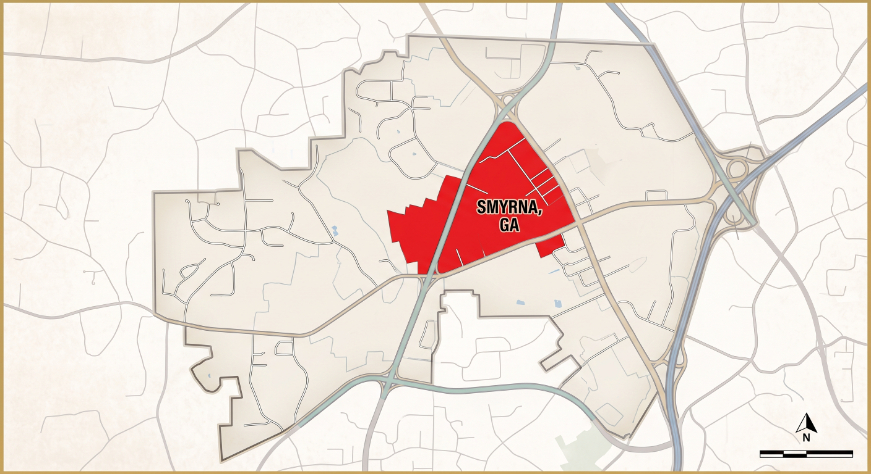
We install spray foam insulation for homeowners and business owners throughout Smyrna, Cobb County, and the surrounding metro Atlanta area. Our team understands local building requirements and Georgia’s unique climate conditions.
Residential Insulation Projects
- Attics and rooflines
- Crawl spaces
- Basements
- Exterior walls
Commercial Insulation Projects
We provide spray foam insulation for warehouses, office buildings, retail spaces, and light industrial facilities. Commercial projects often require specialized solutions based on building size, materials, and insulation needs.
Metal buildings benefit from spray foam by reducing air leaks and condensation. We work with business owners, property managers, and contractors to minimize disruption and provide insulation solutions tailored to each property.
Testimonials
Request An Estimate Today
We provide free estimates for residential and commercial spray foam projects throughout Smyrna and nearby communities. Our team evaluates your property, identifies insulation and air leakage issues, and provides a clear written recommendation with projected costs. Contact us by phone or online to schedule your estimate.
Frequently Asked Questions
Below are answers to the questions we hear most often from homeowners and business owners across Smyrna and the surrounding area.
How much does spray foam insulation cost in Smyrna, GA?
Cost depends on the square footage, foam type, and areas of your property being insulated. Attics, crawl spaces, and commercial buildings each require different amounts of material and labor.
We provide a written estimate after assessing your property in person. This allows us to give you an accurate number rather than a rough gue
What is the difference between open-cell and closed-cell foam?
Open-cell foam is softer, more flexible, and typically costs less. It works well for interior walls and areas where sound dampening matters.
Closed-cell foam is denser and creates a stronger air and moisture barrier. We often recommend it for crawl spaces, exterior walls, and areas exposed to higher moisture levels.
Where can spray foam insulation be installed?
We install spray foam in attics, crawl spaces, basements, exterior walls, and rim joists. For commercial properties, we also apply it in metal buildings, warehouses, and mechanical rooms.
Each area has different moisture and temperature conditions, so we select the foam type based on the specific location.
How long does spray foam insulation last?
Spray foam typically lasts 20 to 30 years or more without significant degradation. Unlike batt insulation, it does not sag, settle, or lose its shape over time.
We stand behind our installation work, and the foam manufacturers we use back their products with their own warranties.
Can spray foam insulation help lower energy bills?
Yes. Spray foam creates an air seal that reduces the amount of conditioned air escaping through gaps, cracks, and joints.
This means your HVAC system doesn’t have to work as hard to maintain a consistent temperature. Many of our customers see a noticeable reduction in monthly energy costs after installation.
Is spray foam insulation safe for homes and businesses?
Spray foam is safe once fully cured, which typically takes 24 to 48 hours depending on the product and environmental conditions. During installation and curing, proper ventilation is required, and occupants should stay out of the treated area.
Our installers follow manufacturer guidelines and safety protocols on every job. We’ll walk you through the timeline so you know exactly when it’s safe to return to the space.